
Exploring What’s Inside E Cigarettes: A Detailed Look at Ingredients and Their Effects
E-cigarettes have surged in popularity, prompting many to wonder: what’s in e cigarettes? This comprehensive exploration dives into the concoction within e-cigarettes, allowing users to make informed choices.
The Fundamental Components
On a basic level, e-cigarettes consist of a few primary ingredients. Understanding each component helps unravel the complexities of what you inhale.
- Propylene Glycol: Known for its use as a base carrier or humectant in e-liquids, this colorless, odorless liquid is a common ingredient in food and pharmaceuticals. Its role is pivotal in dissolving nicotine and flavorings.
- Vegetable Glycerin: Often found alongside propylene glycol, this sweet-tasting liquid adds thickness and allows users to produce impressive vapor clouds.
- Nicotine: As the addictive substance, nicotine concentration varies across e-cigarette products. Awareness of its quantity is crucial for managing intake and addiction risk.
Nicotine sources can be either natural or synthetic, with variations affecting the user’s experience.
Flavorings
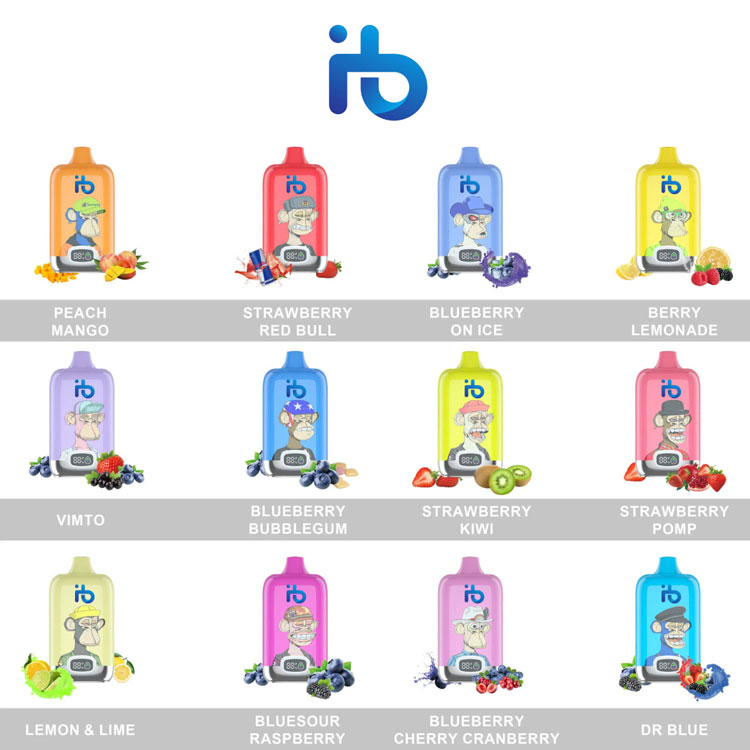
Flavorings constitute another significant part of e-cigarette liquids. With flavors ranging from fruity to dessert-like, their chemical compositions vary widely. While manufacturers often assure safety, users should remain vigilant about potential risks associated with synthetic flavor compounds.
Understanding the relationship between flavors and health remains essential.
Additional Chemicals
Beyond the primary ingredients, various minor compounds can be present in e-cigarettes:
- Acetoin and diacetyl are sometimes used to enhance flavor, yet can pose respiratory risks.
- Benzoic acid may also be included to affect nicotine’s potency, particularly in products like nicotine salts.
Effects on Health
While e-cigarettes present themselves as safer alternatives to traditional smoking, their health implications merit close scrutiny. The long-term effects remain uncertain, with ongoing research aiming to uncover potential connections between e-cigarette use and diseases.
Known Concerns
The concern over e-cigarettes stems from their discreet and innovative nature. As they don’t produce the same tar and smoke as traditional tobacco, their perceived safety can be misleading.

Regulation and Research
In recent years, growing evidence has led to tighter regulations on e-cigarette marketing and availability. Scientific studies continue to evolve, aiming to provide clarity on their true impact.
FAQs on E Cigarettes
- Are e-cigarettes safer than regular cigarettes?
- While e-cigarettes eliminate tar exposure, uncertainties about long-term effects still exist. They are sometimes considered a less harmful option, but safety is not guaranteed.
- Can e-cigarettes help quit smoking?
- Some use e-cigarettes as a cessation tool, but results vary. Professional guidance is recommended for quitting smoking effectively.
- Do all e-cigarettes contain nicotine?
- Not all e-cigarettes include nicotine; there are nicotine-free options. Checking labeling helps choose according to preference.
Overall, informed decisions about e-cigarettes require understanding their composition and the potential impact on health.