
Understanding the Need for Alternatives
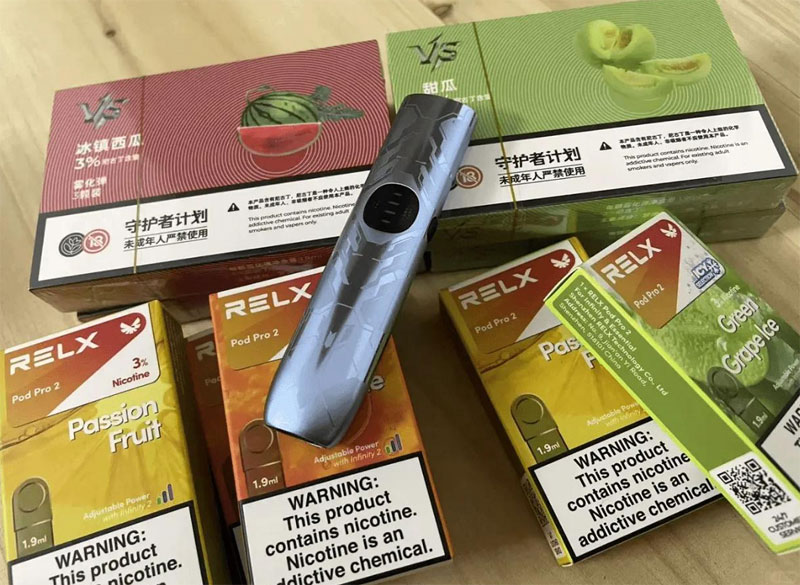
While e-cigarettes eliminate the tar and many harmful chemicals found in traditional tobacco products, they are not without risks. Many e-cigarettes contain nicotine, which is addictive and can have several adverse health effects. Moreover, emerging studies indicate potential risks associated with other ingredients used in vape liquids, such as propylene glycol and glycerin, which could impact lung health.
Given these uncertainties, it’s no surprise that individuals are actively searching for alternatives to e-cigarettes. While quitting nicotine can be challenging, it is not insurmountable, and several strategies and products can aid in this journey.
Nicotine Replacement Therapy (NRT)
One of the most effective methods to transition away from e-cigarettes is Nicotine Replacement Therapy (NRT). It includes various products like patches, gum, lozenges, nasal sprays, and inhalers that can help reduce withdrawal symptoms and nicotine cravings by providing a controlled amount of nicotine without the harmful smoke or vape.
NRT products are scientifically proven to improve the chances of quitting smoking successfully. By gradually lowering nicotine levels, users can wean themselves off nicotine dependence at their own pace.
Herbal Cigarettes
For those who miss the physical aspect of smoking, herbal cigarettes provide a tobacco-free and nicotine-free alternative. These are crafted from herbs such as passionflower, mint, or rose petals, offering a similar hand-to-mouth action without the addictive substances. However, while they reduce nicotine intake, it’s crucial to understand the possible inhalation of other substances they may contain.
Heated Tobacco Products
Another alternative is heated tobacco products. These devices heat real tobacco just enough to release a flavorful nicotine-containing vapor without burning the tobacco. Although not risk-free, some research suggests they may produce fewer harmful emissions compared to traditional cigarette smoke.
It’s important to note that the long-term health effects of heated tobacco products are still under investigation.
Behavioral Therapy and Support Groups
 Behavioral therapy can play a crucial role in breaking the addiction cycle. Cognitive-behavioral therapy (CBT) and support groups can offer invaluable support and strategies to deal with triggers and cravings. They can also help reinforce commitment to quitting nicotine and offer emotional support from those experiencing similar challenges.
Herbal and Botanical Options
For those interested in natural options, certain herbs and botanical supplements are believed to reduce stress and improve mood, thus helping decrease nicotine dependence. Ingredients like Valerian Root, Ginseng, and St. John’s Wort have been popular among those seeking to quit smoking.
Exercise and Mindfulness
 Engaging in regular physical activity and practicing mindfulness can significantly aid in the cessation journey. Exercise releases endorphins, which can naturally uplift mood and reduce stress—common triggers for nicotine use. Practices such as yoga and meditation can enhance mental clarity and resilience, fostering a stronger commitment to staying nicotine-free.
FAQs:
Q: Are e-cigarettes really safer than traditional cigarettes?
A: While e-cigarettes are often marketed as safer alternatives due to the absence of tar, they still contain nicotine and other potentially harmful substances. The long-term safety of e-cigarettes is still under study.
Q: Can herbal cigarettes help in quitting nicotine?
A: Herbal cigarettes can provide a non-nicotine option for those who miss the act of smoking, but they do not address nicotine addiction directly. It’s crucial to pair them with other cessation strategies.
Q: How effective is Nicotine Replacement Therapy?
A: NRT is widely regarded as effective and can significantly increase the chances of successfully quitting nicotine when combined with behavioral support.
By exploring these alternatives, individuals can find a path that best suits their lifestyle and health goals, paving the way for a smoke-free future.