
Practical safety checklist for responsible use and understanding risks of E-cigarete devices
This comprehensive, searchable guide is written for adult users, clinicians, and content managers who want a pragmatic checklist and a clear explanation of the most important juul e-cigarette health risks and related hazards. The goal is to offer an actionable safety checklist, context for risk reduction, and an honest discussion of the top seven health concerns linked to popular pod systems and open tank devices. The term E-cigarete is used intentionally to match common search queries and increase discoverability while we also reference mainstream terms like e-cigarette, vape, pod systems, and JUUL-style devices for clarity and comprehensiveness.
Why an explicit checklist matters
Many problems associated with vaping arise from poor device maintenance, improper battery handling, contaminated e-liquids, misunderstanding of nicotine strength, and unsafe behaviors (charging overnight, mixing substances, or letting children access pods). A short, evidence-informed checklist helps people reduce acute harms while public health systems continue to study long-term effects. This page blends practical steps with explanatory sections about the most relevant juul e-cigarette health risks observed in case reports, surveillance studies, and regulatory advisories.
Core principles for safer vaping
- Know your device: Read the manufacturer’s instructions, understand pod vs. tank differences, and check for recalls or safety notices.
- Battery safety: Use the correct charger, inspect for dents or swelling, avoid cheap third-party batteries, and do not charge near flammable materials.
- Maintain hygiene: Replace coils and pods as recommended, clean mouthpieces, and avoid sharing mouthpieces to reduce infection transmission.
- Understand your nicotine: Track nicotine concentration (mg/mL), calculate daily intake, and avoid accidental levels that can produce toxicity.
- Store securely: Keep pods and e-liquids away from children and pets; child-resistant packaging is not child-proof.
- Recognize acute warning signs: Dizziness, chest pain, severe shortness of breath, or signs of poisoning require immediate medical attention.
- Reduce exposures: Use devices in well-ventilated areas and respect non-smokers and public-place rules.
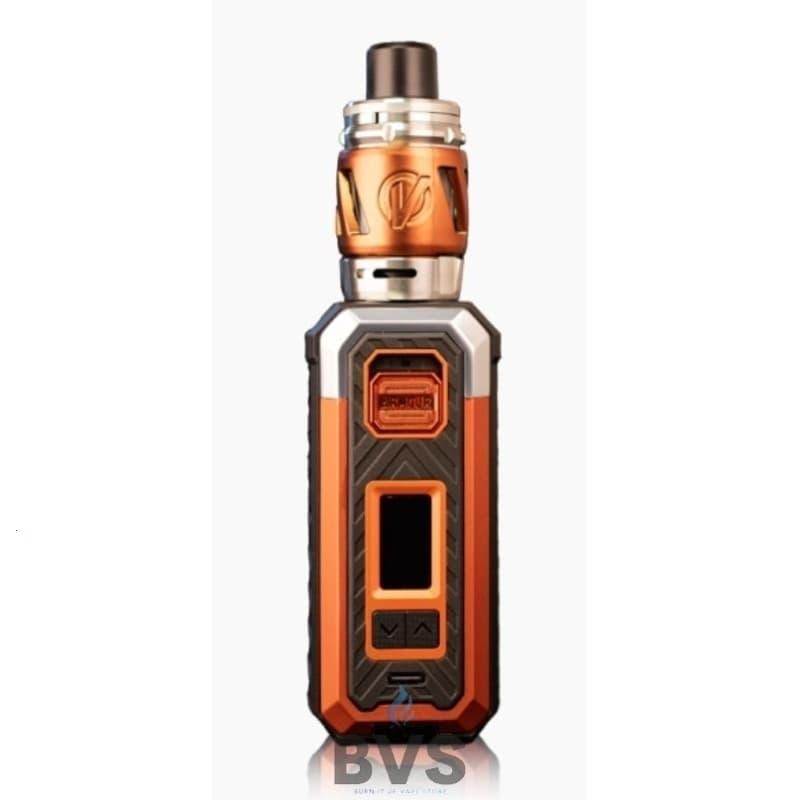 E-cigarete safety checklist and 7 juul e-cigarette health risks every vaper should know” />
Quick start safety checklist (printable)
- Inspect device for damage every day before use.
- Charge only with manufacturer-approved chargers; never leave charging unattended overnight.
- Keep nicotine liquids sealed, labeled, and stored upright in a cool, dark place.
- Replace worn pods/coils on schedule; note flavor change or burnt taste as cues to replace.
- Wash hands after handling e-liquids and avoid contact with skin or eyes.
- Dispose of batteries and e-waste at designated collection points.
- Use appropriate personal protective equipment when refilling or handling concentrated nicotine.
How to talk to others about risk
Approach conversations without judgment. If you speak with a family member or friend who uses a pod system, focus on steps they can take immediately to lower risk, such as stopping sharing, improving charging habits, and checking for counterfeit pods. Use clear language and encourage medical evaluation for concerning symptoms. For clinicians, document device type, nicotine concentration, frequency of use, and any supplements or drugs used with the device.
Top seven health concerns related to JUUL-style and similar devices

Below we outline the seven most prominent juul e-cigarette health risks and provide context, mechanism, warning signs, and suggested responses. These are not an exhaustive list of potential harms but reflect recurring issues in the literature and regulatory reports.
1. Nicotine addiction and dependence
Why it matters: High-strength nicotine salts used in many pod systems raise the risk of rapid dependence, particularly among young people and those naive to nicotine. Pods labeled as “5%” or “50 mg/mL” deliver potent doses that can reinforce addictive patterns quickly.
Signs: Cravings, irritability, sleep disruption, or inability to reduce use despite wanting to quit.
Actions: Consider tapering nicotine strength, using behavioral support, and consult cessation services. Track daily pod consumption and estimate nicotine intake.
2. Acute nicotine toxicity
Accidental ingestion or dermal exposure to concentrated e-liquid can produce nausea, vomiting, headache, tachycardia, and in severe cases, seizures. This is a child-safety issue as much as a user-safety issue.
Prevention: Keep pods and bottles out of reach, use child-resistant storage, and seek urgent care for ingestion or severe symptoms.
3. Chemical and respiratory irritation
Flavoring compounds, propylene glycol, and vegetable glycerin can produce irritation, cough, and chronic airway hyperresponsiveness in some users. While many people report fewer respiratory symptoms after switching from combustible tobacco, others develop persistent cough, wheeze, or throat irritation tied to vaping.
4. EVALI and other acute lung injuries
E-cigarette or vaping associated lung injury (EVALI) emerged in recent years as a severe, sometimes life-threatening reaction. Although EVALI cases were largely linked to illicit THC-containing cartridges and vitamin E acetate, the episode highlighted how adulterants and contaminants produce severe pulmonary inflammation.
Warning signs: Shortness of breath, chest pain, fever, gastrointestinal upset, and progressive hypoxia. Seek immediate evaluation.
5. Cardiovascular effects
Exposure to nicotine and certain thermal degradation byproducts can raise heart rate and blood pressure acutely. Long-term cardiovascular risks are still under study, but nicotine remains a vasoactive substance that can exacerbate arrhythmias and ischemic disease in vulnerable individuals.
6. Battery and device failures
Thermal runaway, explosions, and burns are rare but documented. Failures often result from improper chargers, damaged cells, or using mismatched batteries. Follow manufacturer guidance for replacement and charging, and do not jury-rig faulty components. Store devices in protective cases and avoid carrying spare batteries loose in pockets with metal objects.
7. Poisoning from adulterants and contaminants
Counterfeit pods, home-mixed liquids, and illicit cartridges can introduce unexpected chemicals (e.g., solvents, pesticides, or cutting agents) that produce systemic toxicity. The safest route is to use regulated products, avoid black-market cartridges, and report adverse effects to local health authorities.
Practical downstream steps when risks appear
- If you experience acute breathing problems, call emergency services.
- Document and preserve the device and liquid (label and store safely) for clinical or regulatory investigation.
- Report severe adverse events to health authorities or poison control.
- Seek cessation support and counseling if dependence or uncontrolled use is present.
Harm reduction and safer-alternative considerations
For adults who smoke and cannot quit by other means, switching to less harmful nicotine delivery can reduce certain risks associated with combustion. However, reduction strategies should be combined with plans for eventual nicotine cessation when possible. Consider low-nicotine options, using devices with robust safety features, avoiding high-temperature modding, and choosing regulated retailers.
Special populations and heightened risks
Certain groups face greater harms: adolescents, pregnant people, individuals with cardiovascular or pulmonary disease, and those with substance use disorders. For these populations, avoidance of E-cigarete devices is the most evidence-aligned recommendation, and clinicians should prioritize counseling and evidence-based cessation treatment.
Common myths and evidence-based clarifications
Myth: All e-cigarettes are harmless. Fact: No nicotine product is without risk; relative harm varies by product, usage pattern, and user health status.
Myth: Flavorings are safe because they’re food-grade. Fact: Inhalation exposure is different from ingestion; compounds safe in food can be harmful when heated and inhaled.
Myth: If it produces vapor, it’s safe. Fact: Vapor can contain volatile organic compounds, metals, and other byproducts, especially when devices are overheated or modified.

Practical guidance improves outcomes: clear labeling, routine maintenance, and rapid response to symptoms reduce harm.
Resources and reporting
Contact local poison control for ingestion or dermal exposure; consult national quitlines for cessation resources; check regulators for recalls and safety alerts. Keep a log of device serial numbers and pod batch codes if you notice a pattern of adverse effects.
To improve public understanding, content creators should place the primary search phrase in strategic places: headings, the first 200 words, and within HTML emphasis tags. In this article we used juul e-cigarette health risks and E-cigarete multiple times to support discoverability while keeping readability and context.
Conclusion: balanced messaging and ongoing vigilance
For adults considering alternatives to smoking, informed choices and strict adherence to device safety can lower many avoidable harms. For non-users, especially youths and pregnant people, abstaining is the safest course. Keep devices maintained, use regulated products, and seek medical attention for worrying symptoms. This practical checklist and the seven highlighted risk areas provide a baseline for safer behavior and informed discussion about device-related harms.
If you want to share this guidance on a site, ensure links to authoritative sources, updated recall information, and local quitline numbers are prominent. Accurate, actionable content encourages safer decisions and better outcomes.
FAQ
A: Acute severe lung injury is possible in rare cases, particularly with contaminated or illicit cartridges. Long-term effects are still under study; chronic exposure to certain aerosols may contribute to persistent respiratory symptoms. Seek evaluation for ongoing symptoms.
A: Use manufacturer-approved chargers, avoid charging on soft surfaces or overnight, do not use swollen batteries, and transport spare batteries in protective cases.
A: Some flavoring chemicals can irritate the airways when inhaled. While not all flavors are equally risky, the inhalation safety of many compounds has not been fully evaluated. Consider lower-frequency use and avoid homemade or unregulated flavors.