
Comprehensive 2026 Guide to Safer Alternatives, Flavors and Devices for Modern Vapers
Overview: Why informed choices matter for E-papierosy and tobacco vape users
This long-form guide is written to help curious consumers, switchers from smoking, retailers, and concerned family members understand the evolving landscape of E-papierosy and tobacco vape products in 2026. It focuses on practical buying criteria, safety considerations, flavor assessment, device categories, maintenance tips, and a comparative view of top-performing models while avoiding sensationalism. The emphasis is on harm reduction practices, ingredient transparency, and choosing devices and liquids that minimize avoidable risk.
What “E-papierosy” and “tobacco vape” refer to in everyday terms
In many markets the terms E-papierosy (Polish for e-cigarettes) and tobacco vape are used interchangeably to describe a broad set of products that heat a liquid or tobacco-derived substrate to produce an inhalable aerosol. Categories include refillable pod systems, disposable vapes, open-system mods, and heated tobacco products. Understanding the distinctions helps when reading labels, comparing prices, and assessing safety.
Key device types and why they matter
- Pod systems — compact, often draw-activated; ideal for nicotine salt e-liquids and new vapers.
- Disposable vapes — low initial cost, convenient, but can be less sustainable and sometimes lack ingredient transparency.
- Box mods & regulated devices — offer adjustable power and temperature controls, suitable for experienced users who want to tune performance and reduce coil overheating.
- Tank systems (sub-ohm) — engineered for flavor and vapor production; typically use freebase nicotine and require familiarity with resistance and wattage.
- Heated tobacco products — heat processed tobacco without combustion; positioned differently in regulation and consumer expectations.
Choosing a device: practical checklist
- Brand reputation and after-sales support: prefer manufacturers with clear warranty and spare parts availability.
- Battery safety: look for devices with overcharge/overdischarge protection, regulated circuitry, and official chargers.
- Material quality: food-grade stainless steel, PCTG or glass tanks, and reliable O-ring design reduce leak risk.
- Coil availability and price: frequently replaced consumables mean recurring cost — check aftermarket and OEM options.
- Portability vs performance: larger batteries last longer but weigh more; decide based on daily routines.
Top device features to prioritize in 2026
Firmware upgradability, accurate wattage/temperature control, leak-resistant pod/tank design, and clear labeling for battery and liquid compatibility are now differentiators. Systems that support titanium, stainless steel, or nickel coils with temperature regulation can help avoid overheating flavors and reduce unwanted thermal decomposition products.
Understanding flavors, nicotine forms, and safety
Flavors are central to the appeal of E-papierosy and tobacco vape products, but they also introduce complexity for safety and regulation. In 2026, regulators in many regions require greater disclosure of flavoring agents and stricter testing for inhalation safety. Consumers should look for e-liquids that provide full ingredient lists, laboratory certificates (COA), and batch tracking.
Nicotine: salts, freebase, and new entrants
Nicotine salts deliver smooth throat-hit at higher strengths and remain popular in pod systems. Freebase nicotine suits sub-ohm users aiming for lower concentrations. Additionally, novel nicotine forms such as synthetic nicotine and tobacco-derived nicotine (TDN) have become more prevalent; both require scrutiny because testing and labeling standards differ by jurisdiction. Always prefer manufacturers that publish third-party lab results for nicotine concentration and potential contaminants.
Flavor chemicals to watch
Some flavoring chemicals, while approved for food, are not well-studied for inhalation. Diacetyl and acetyl propionyl are widely criticized for respiratory risks in heated aerosols; reputable brands avoid them or provide testing to demonstrate absence. Other compounds of concern include certain aldehydes and terpene concentrations that can form irritant byproducts at high temperature. Device choice (wattage/temperature) influences whether these compounds form in significant amounts.
Regulatory environment and purchasing legality
By 2026 regulatory approaches vary: some regions ban certain flavors or nicotine strengths, others require plain packaging or product registration. When buying online for delivery, check local import rules, age-verification policies, and taxes. Retailers who conduct robust age checks and disclose compliance documentation are generally safer suppliers than unregulated marketplaces. Keep records of receipts and batch codes to facilitate recalls or product inquiries.
Health risks and harm-reduction context
Current consensus from many public health agencies positions properly manufactured E-papierosy and tobacco vape products as a lower-risk alternative for adult smokers who would otherwise continue to smoke combusted tobacco. However, lower risk is not zero risk; potential harms include nicotine addiction, respiratory irritation, and exposure to contaminants from poor manufacturing. Vulnerable populations (young people, pregnant people, non-smokers) should avoid use.
Common misconceptions
- Myth: “Vaping is completely harmless.” Reality: lower risk than smoking for some outcomes, but inhaling aerosols carries risks.
- Myth: “Natural flavors are always safer.” Reality: natural origin does not automatically mean safe for inhalation.
- Myth: “Disposable is always cheaper.” Reality: disposables may be cheaper upfront but cost more per puff and create more waste.
Buying guide: where to buy and what to verify
Purchase from established brick-and-mortar stores or verified online vendors that offer:
- Clear ingredient lists and nicotine concentration labels.
- Certificates of analysis (COA) for both nicotine and flavor chemicals.
- Transparent return and warranty policies.
- Age verification and compliance statements.

Physical stores allow inspection of packaging integrity and direct staff consultations; online retailers can be convenient but require careful vetting. Avoid budget listings with no traceable manufacturer information, unusually low prices, or inconsistent labeling.
Evaluating e-liquid quality
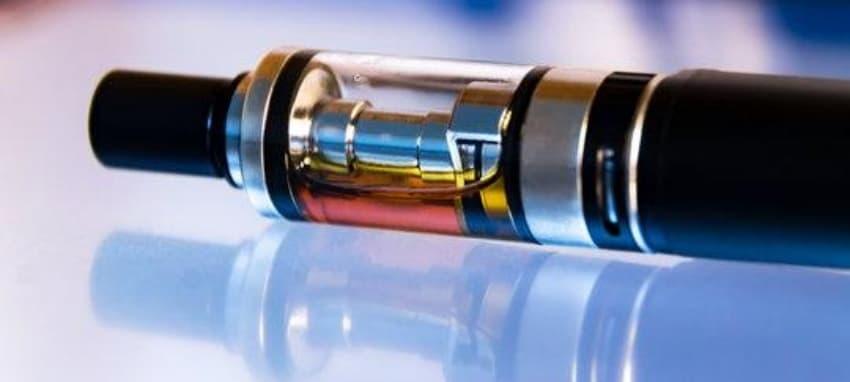
High-quality e-liquids typically state: nicotine source (synthetic, TDN, or freebase), solvent ratio (PG/VG), batch numbers, production/expiration dates, and COA links. If a product lacks these, treat it as higher risk. For flavored E-papierosy and tobacco vape liquids, choose brands that publish inhalation toxicology data or follow industry voluntary standards.
Battery and charging safety
Battery incidents are rare but often severe. Prioritize devices with built-in protections and avoid using mismatched external batteries. Tips: always use the manufacturer’s recommended charger, do not leave batteries charging overnight, replace batteries that show damage or swelling, and purchase batteries from reputable suppliers. Store spare batteries in protective cases.
Maintenance best practices
Routine maintenance reduces risk and improves flavor: clean tanks regularly, change coils before performance declines, avoid chain vaping which overheats coils, and prime coils properly. For rebuildable setups, learn correct wicking techniques and ohm’s law basics to avoid shorts.
Environmental considerations
Disposable tobacco vape units contribute to single-use plastic and lithium waste. If sustainability matters, opt for refillable systems and recycle batteries at designated collection points. Some brands now offer take-back programs or use recyclable packaging; supporting those initiatives reduces environmental footprint.
Price vs value analysis
Cheap devices may save money short-term but often increase long-term costs via frequent coil replacements, poor battery life, or lack of spare parts. Balance upfront cost with expected lifespan, warranty, and availability of consumables. A modestly priced, durable pod system with reliable pods can represent the best value for many adult former smokers.
Sample device comparison (features to cross-check)
- Power range and temperature control — affects flavor and byproduct formation.
- Pod/tank sealing design — influences leaks and liquid loss.
- Coil resistance options — allow tuning for throat-hit or cloud performance.
- User interface and safety lock — reduce accidental activation.
Buying checklist summary
Before you buy, check: manufacturer reputation, full labeling and COA availability, age verification and legal compliance, battery and charger specs, return policy, and sustainability practices. Keep documentation of purchases in case problems arise.
Practical scenarios — which product to pick?
If you are a new adult smoker trying to quit combustible cigarettes, a low-wattage pod with nicotine salts and clear labeling can be an effective transition product. If you are an experienced user seeking flavor and customization, a regulated mod with temperature control and reputable coils is likely better. If portability and simplicity are priorities, choose a refillable pod over a disposable to reduce waste and long-term cost.
Tips to reduce flavor-associated risks
Use reputable e-liquids, avoid excessive wattage that burns flavors, discard old or discolored liquids, and do not mix unknown substances into your e-liquid. If you notice persistent cough, chest discomfort, or unusual respiratory symptoms, stop use and seek medical advice; present product information when consulting healthcare professionals.
Where regulations are tightening
Flavor bans, higher age limits, and stricter product registration are more common in 2026. These changes aim to reduce youth uptake but also create market fragmentation and new compliance challenges. Follow official health authority guidance and choose vendors that demonstrate regulatory compliance.
Common pitfalls and how to avoid them
- Buying counterfeit or grey-market devices: verify serial numbers and buy from authorized dealers.
- Ignoring battery specifications: match battery ratings to device requirements to prevent failures.
- Assuming “food-grade” equals “inhalation-safe”: prefer brands with inhalation safety testing.

Final recommendations for buyers in 2026
Make decisions based on safety data, product transparency, and personal goals (smoking cessation vs. recreational use). When possible, choose refillable, well-supported systems and prioritize liquids with published COAs. Keep device firmware updated, practice battery safety, and monitor local regulations to ensure legal use. Thoughtful choices reduce avoidable risk and improve the vaping experience.
Glossary and quick reference
- COA — Certificate of Analysis.
- TDN — Tobacco-Derived Nicotine.
- PG/VG — Propylene Glycol / Vegetable Glycerin ratio affecting throat-hit and vapor.
- Pod — Cartridge or capsule that holds e-liquid and fits a specific device.
FAQ
Q: Are flavored E-papierosy and tobacco vape liquids safe?
Answer: “Safe” is relative. Many flavors have low inhalation data; choose products with transparency, COAs, and avoid known harmful additives like diacetyl. Regulated brands prioritize safer formulations.
Q: How do I tell if a device or e-liquid is counterfeit?
Answer: Check packaging quality, batch codes, COA links, seller reputation, and cross-check serials with manufacturer databases. If something feels off or the price is too low, avoid the purchase.
Q: Which device type helps adult smokers switch most effectively?
Answer: Low-wattage pod systems using nicotine salts often deliver a satisfying throat-hit and nicotine uptake for many adult smokers, improving switching success.
By following the principles laid out above—prioritizing transparency, verified lab testing, suitable device choice, and safe battery practices—consumers can make informed decisions when shopping for E-papierosy and tobacco vape products in 2026. Continuous learning, cautious product selection, and attention to personal health responses remain the best strategies for responsible use.