
Understanding modern smoking choices: a practical guide to alternatives and classic tobacco products
Why this comparison matters
In an era where nicotine delivery comes in many forms, consumers, clinicians, and policy makers often weigh options such as e-cigarettes against combustible tobacco. This long-form resource explores the health, financial, and daily-life trade-offs between vapor-based devices and traditional cigarettes, with a particular focus on the contrast often framed as e cigarette and normal cigarette. The goal is to provide an evidence-informed, balanced perspective that highlights relative risks, cost structures, convenience factors, and practical tips for people who use nicotine or are considering a change.
Scope and approach
We synthesize clinical findings, public health guidance, real-world cost comparisons, and lifestyle factors. Readers will find actionable information, clarifying terminology, and context for making decisions or supporting others. Throughout the article, the terms vaping product and combustible cigarette are used to keep language precise while avoiding repetitive titles verbatim.
Definitions and product landscape
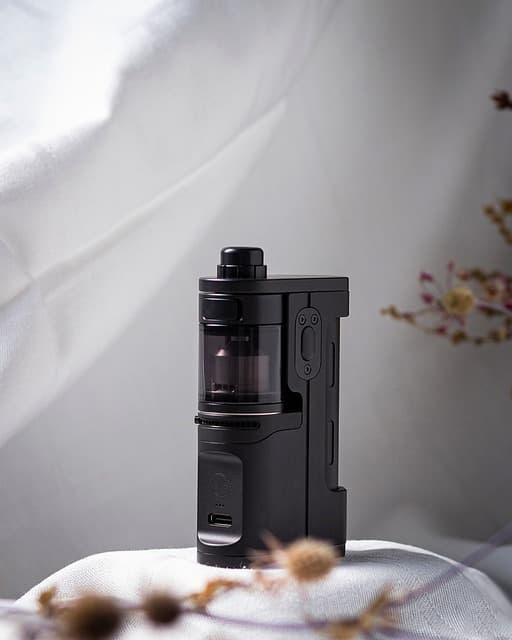
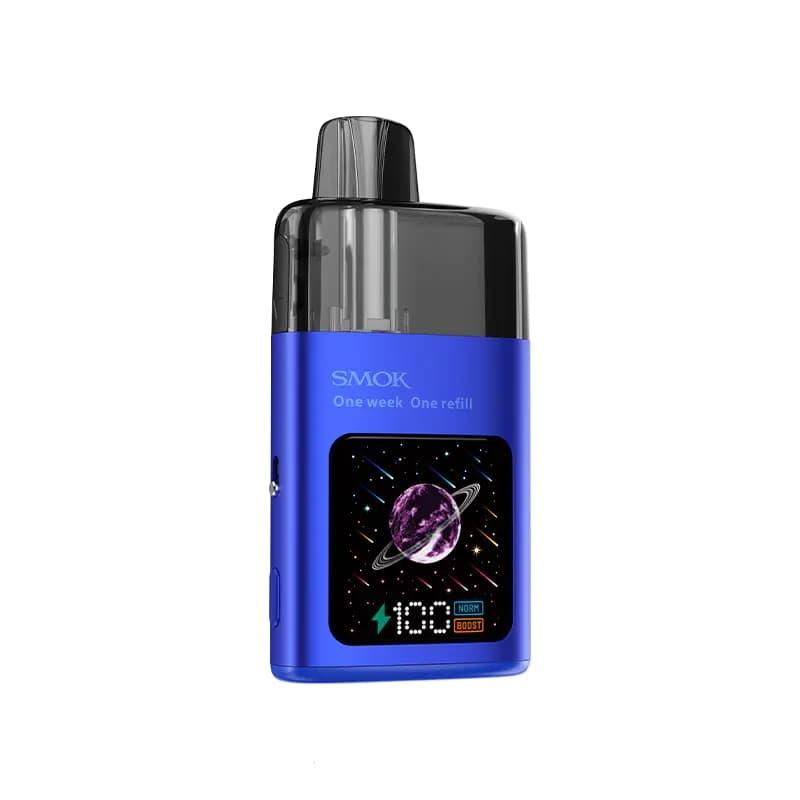
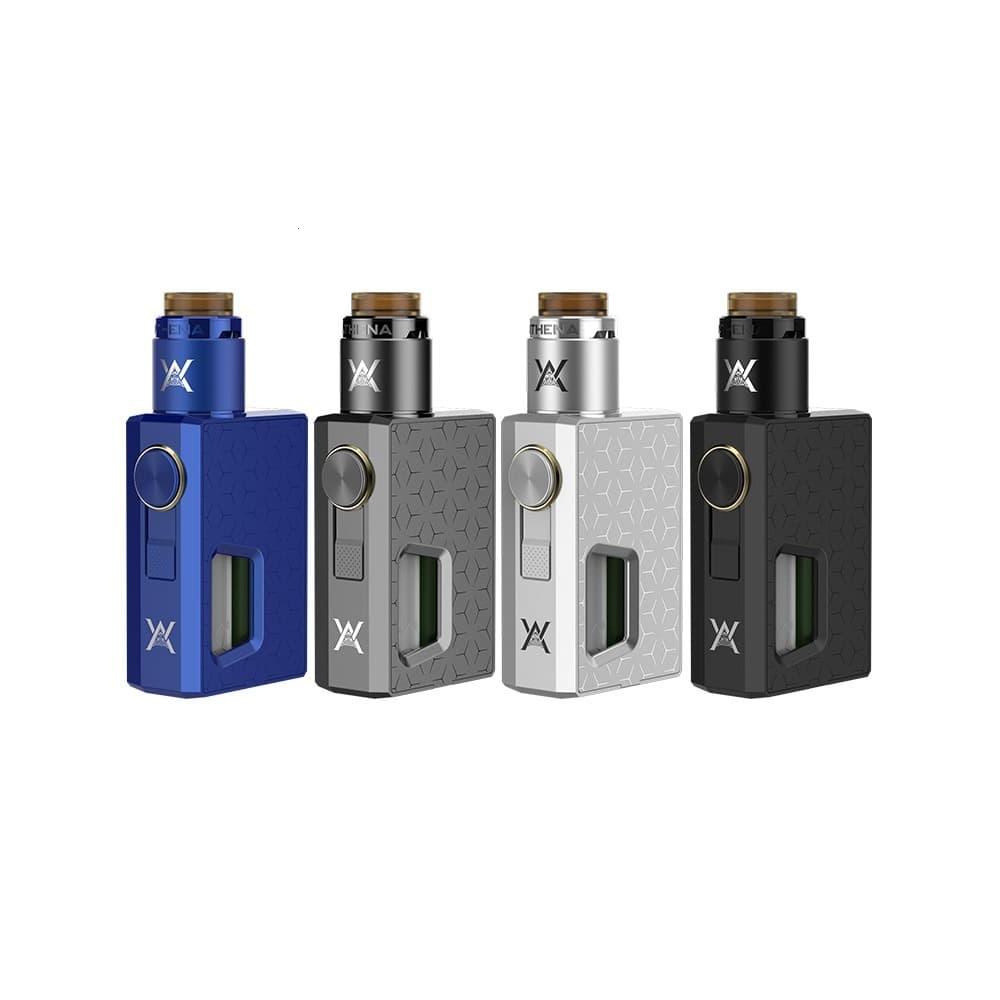
To start, it’s important to define what is meant by key terms. e-cigarettes refer to battery-powered devices that heat a liquid (commonly called e-liquid or vape juice) to create an inhalable aerosol. These devices vary widely: from simple disposable pens to refillable pod systems and advanced mod boxes. Traditional cigarettes—here called normal or combustible cigarettes—burn processed tobacco and deliver smoke containing nicotine along with thousands of combustion byproducts.
Common categories
- Disposable e-cigarettes: Pre-filled, single-use devices often used by casual or new vapers.
- Refillable pod systems: Compact devices using replaceable or refillable cartridges, popular for their convenience.
- Open systems: Refillable tanks and mods offering customization for experienced users.
- Combustible cigarettes:
 Factory-made cigarettes and hand-rolled tobacco products.
Health considerations: comparing risks
Health outcomes are central to the choice between e-cigarettes and traditional smoking. Research shows that while vaping is not risk-free, the profile of harm differs substantially from combustion. The distinction revolves around the presence of smoke-related toxicants in cigarettes versus aerosol constituents in vape products.
Toxins and exposures
Cigarette smoke contains tar, carbon monoxide, polycyclic aromatic hydrocarbons (PAHs), formaldehyde, benzene, and numerous other toxicants produced by burning tobacco and paper. These compounds contribute to well-established risks: lung cancer, chronic obstructive pulmonary disease (COPD), cardiovascular disease, and adverse reproductive outcomes.
In contrast, many analyses of e-cigarettes find lower concentrations of those key combustion-derived toxins in the aerosol. However, e-liquids and heating elements can produce aldehydes (including formaldehyde under some high-temperature conditions), metal particulates from coils, volatile organic compounds (VOCs), and nicotine—an addictive agent with its own physiological effects.
Short-term effects
People switching from cigarettes to e-cigarettes commonly report improvements in cough, sputum production, and breathing tests over weeks to months. Acute cardiovascular markers (such as exhaled carbon monoxide) also improve rapidly when combustion is stopped. Yet some users experience throat irritation, dry mouth, or transient cough when initiating vaping.
Long-term uncertainty
Long-term studies on e-cigarettes are still emerging because high-prevalence use has been relatively recent. While population-level models often estimate substantially lower lifetime risks for exclusive vaping compared with continued smoking, uncertainties remain—particularly regarding rare outcomes, aging-related effects, and long-term inhalation of flavoring compounds. In contrast, the epidemiology of combustible cigarettes is extensive and unequivocal: prolonged smoking dramatically increases mortality and morbidity.
Nicotine and addiction
Nicotine delivery varies by product. Many modern vape systems efficiently deliver nicotine, sometimes matching cigarette blood-nicotine peaks, which can sustain dependence. For smokers seeking to quit combustible cigarettes, some controlled programs use e-cigarettes as a substitution tool. However, non-smokers, adolescents, and never-users face the risk of nicotine initiation via flavored or marketed devices, which raises separate public health concerns.
Cost analysis: immediate and lifetime expenses
Cost is frequently decisive. The financial picture depends on device type, usage intensity, product quality, and local taxation. Here we compare typical expenditure profiles for someone who smokes moderately (for example, 10–20 cigarettes per day) versus someone who vapes with a refillable system.
Upfront vs ongoing costs
Combustible cigarettes: ongoing daily purchase of packs creates a predictable, recurring high cost—especially where tobacco taxes are steep. No significant upfront device expense is required beyond lighters and packaging.
e-cigarettes: initial expenses may include a device purchase (range: $10–$200 depending on model) and charger. Ongoing costs include e-liquids, coils, pods, or disposable replacements. Over months to years, refillable systems often become cheaper per nicotine dose than buying packs every day, but low-end disposable vapes can be expensive if used continuously.
Sample calculations
- Smoker at $8 per pack, one pack per day: ~ $240/month.
- Vaper with refillable device: device $40 one-time, e-liquid $20–$60 per month depending on consumption: monthly cost often under $100 for average use.
These figures are illustrative; local prices and user habits can change the comparison dramatically. Taxes, discounting, and black-market products add further variability. From a long-term perspective, switching from cigarettes to a managed vaping regimen can lower direct costs for many users.
Convenience, social factors, and regulations
Convenience influences adoption: pocket-sized USB devices and disposables are easy to carry and use discreetly. However, social and legal contexts shape where and when vaping is practical.
Practical considerations
- Portability: Both cigarettes and many vapes are portable. Disposable e-cigarettes and small pod systems are particularly convenient.
- Maintenance: Refillable systems require occasional coil changes and refilling; disposables do not.
- Battery dependency: Vapes need charged batteries—an important planning factor for travel.
- Odor and residue: Vapor tends to dissipate faster and leaves less persistent smell than smoke, making vaping perceived as less intrusive to others.
Regulation and public spaces
Local laws increasingly regulate vaping: indoor bans, flavor restrictions, age limits, and taxation are common. Some jurisdictions treat vaping like smoking; others have distinct rules. These differences affect convenience and cost, and they can alter social acceptance. In many workplaces, events, and transit systems, both forms of nicotine use are restricted.
Environmental and secondary effects
Environmental consequences extend beyond personal health. Cigarette butts are a major form of litter and contain filters that persist in the environment, leaching chemicals. E-cigarette waste includes batteries, plastic pods, and packaging; these can pose e-waste challenges and potential chemical hazards if discarded improperly.
Secondhand exposures
Secondhand smoke from cigarettes exposes bystanders to many toxicants and is a well-known health hazard. Secondhand aerosol from e-cigarettes contains nicotine and other constituents at lower concentrations than cigarette smoke in most studies, but it is not simply “harmless water vapor.” Public health guidance typically advises caution around indoor vaping to protect non-users, particularly children and pregnant individuals.
Making a decision: harm reduction and quitting
For individuals who already smoke, the priority from a public health perspective is reducing harm—ideally by quitting nicotine entirely. For smokers unable or unwilling to stop nicotine use immediately, switching entirely to a less harmful nicotine delivery system can reduce some risks. This pragmatic harm-reduction path is one reason clinicians sometimes discuss e-cigarettes as a potential transition tool, though other established cessation aids (nicotine replacement therapy, behavioral counseling, medications) remain first-line in many guidelines.
Tips for smokers considering a switch
- Consult a healthcare provider about cessation goals and options.
- If choosing vaping as a transition, aim for complete substitution to avoid dual use (using both cigarettes and vapes), which continues exposure to combustion toxins.
- Select reputable products, avoid tampering, and follow manufacturer guidelines for batteries and coils.
- Plan for long-term nicotine tapering if the goal is eventual cessation.
Common myths and clarifications
Reliable information helps dispel misconceptions:
- Myth: Vaping is completely harmless. Reality: While often less harmful than smoking, vaping carries its own risks and uncertainties.
- Myth: E-cigarettes are a gateway for all youth into smoking. Reality: Patterns vary by region, regulation, and product availability; youth initiation is a concern requiring policy action.
- Myth: If you can’t quit, vaping is useless. Reality: For some adult smokers, switching to vaping has reduced exposure to combustion-related toxicants; outcomes are individual.
Summary and key takeaways
The comparison between e-cigarettes and combustible tobacco involves trade-offs. Current evidence suggests that exclusive substitution of vaping for smoking reduces exposure to many toxic combustion products and can lead to measurable short-term health improvements. Long-term risks of vaping are still being quantified. Cost comparisons often favor vaping after the initial device purchase, though habits and product choices matter. Convenience leans toward vaping for many users, but regulations and societal norms influence real-world practicality. Ultimately, the best health outcome is cessation of all nicotine products.
Resources and next steps
If you are a consumer, clinician, or policymaker seeking deeper information, look for systematic reviews, governmental public health guidance, and clinical cessation resources. Trusted data is regularly updated as new research is published. For personalized advice regarding nicotine dependence or product-related health concerns, contact a healthcare professional.
FAQ
Is vaping safer than smoking?
Short answer: many studies indicate lower exposure to certain toxicants when smokers switch entirely to vaping, but “safer” does not mean “safe.” Long-term data are incomplete, and risks related to specific device types and flavors continue to be studied.
Will switching to an e cigarette and normal cigarette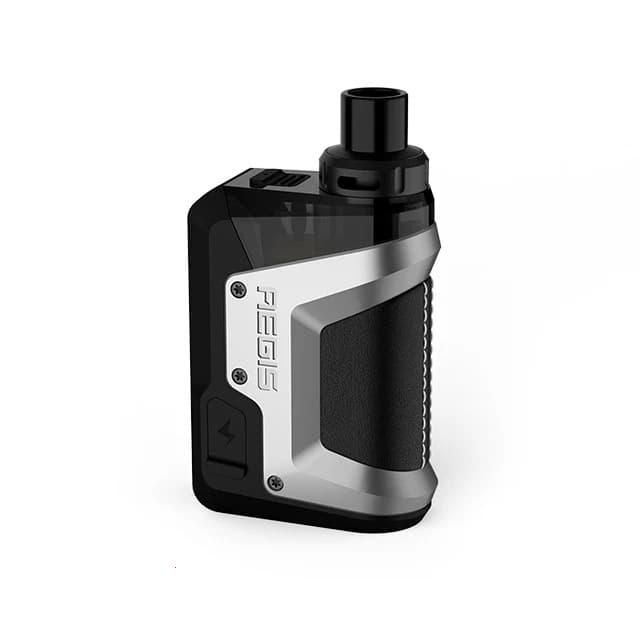 e-cigarettes in Focus — Comparing e cigarette and normal cigarette on Health, Cost and Convenience” />
 mix reduce harm?
Partial substitution or dual use typically maintains or only slightly reduces health risks compared with exclusive smoking. Complete substitution is necessary to realize the greatest health benefits.
How much can I save by switching?
Potential savings depend on local prices and usage. Many regular smokers find replacement with a refillable vape system reduces monthly spending after the initial device purchase, but disposable vapes can be costly if used persistently.