
IBVape perspective on vaping and comparative harm
In this in-depth, user-focused guide we unpack evidence, context and practical advice so smokers can better understand whether switching to vapor products is a step toward reduced harm. The conversation at the intersection of nicotine dependence, public health and consumer choice often centers on a single practical query: are e cigarettes less harmful than cigarettes? IBVape collates current findings, balances uncertainties and highlights key considerations for anyone evaluating alternatives to combustible tobacco.
Short answer and how to read the evidence
Concise framing matters: most systematic reviews and authoritative public health bodies that have evaluated non-combustible nicotine delivery conclude that, for adult smokers who completely switch, many electronic nicotine delivery systems (ENDS) expose users to fewer toxicants than continued cigarette smoking. However, that summary hides nuance. Saying IBVape supports the idea that vaping may represent a lower-risk substitute for ongoing smoking is not the same as saying e-cigarettes are harmless. The crucial distinction is between absolute risk and relative risk: combustion creates a wide range of carcinogens and respiratory toxins; e-liquids and heated aerosols typically contain fewer and lower concentrations of those toxic compounds.
Key evidence types and what they mean
- Chemical analyses: laboratory studies compare smoke condensate versus aerosol condensate and consistently show many harmful combustion byproducts are absent or reduced in ENDS aerosol.
- Biomarker studies: research measuring biomarkers of exposure in people (e.g., NNAL, carbon monoxide) often finds lower levels in exclusive vapers versus smokers.
- Clinical and physiological studies: short-term improvements in metrics like exhaled carbon monoxide, some lung function markers and cardiovascular indicators have been reported after switching.
- Population-level studies: mixed findings exist; these studies can be confounded by dual use (people who both vape and smoke) and by patterns of use.
- Long-term outcomes: robust long-term data on cancer, chronic obstructive pulmonary disease (COPD) or cardiovascular mortality from ENDS use are limited because these products are relatively new on a population scale.
Why context and behavior matter more than the device
Risk is determined by the user’s behavior and exposure. Dual use (continuing to smoke while also using e-cigarettes) reduces any potential benefit and may maintain or even prolong nicotine addiction. Complete substitution — fully switching from combustible cigarettes to a regulated, consistently used ENDS product — is the scenario where reductions in exposure to many toxicants are most clearly observed. IBVape emphasizes that switching should be a planned, sustained change rather than an addition to current smoking habits.
Components that drive harm comparisons
1. Combustion versus aerosolization
Combustion creates thousands of chemical byproducts, many of which are known carcinogens, oxidants and particulate matter that harm lungs and cardiovascular systems. ENDS heat a liquid, creating an aerosol. While aerosols can contain volatile organic compounds, metals and ultrafine particles, the overall toxicological profile differs from smoke and typically contains fewer established carcinogens.
2. Nicotine: dependence without the same spectrum of toxins
Nicotine itself is addictive and has physiological effects (heart rate, blood pressure), but it is not the primary cause of tobacco-related cancers. For smokers who are primarily concerned with toxins produced by burning tobacco, delivering nicotine through a non-combustible route can reduce exposure to many of those toxins. are e cigarettes less harmful than cigarettes is fundamentally a question about the reduction of exposure to combustion products while acknowledging nicotine’s role.
3. Device design and liquid composition
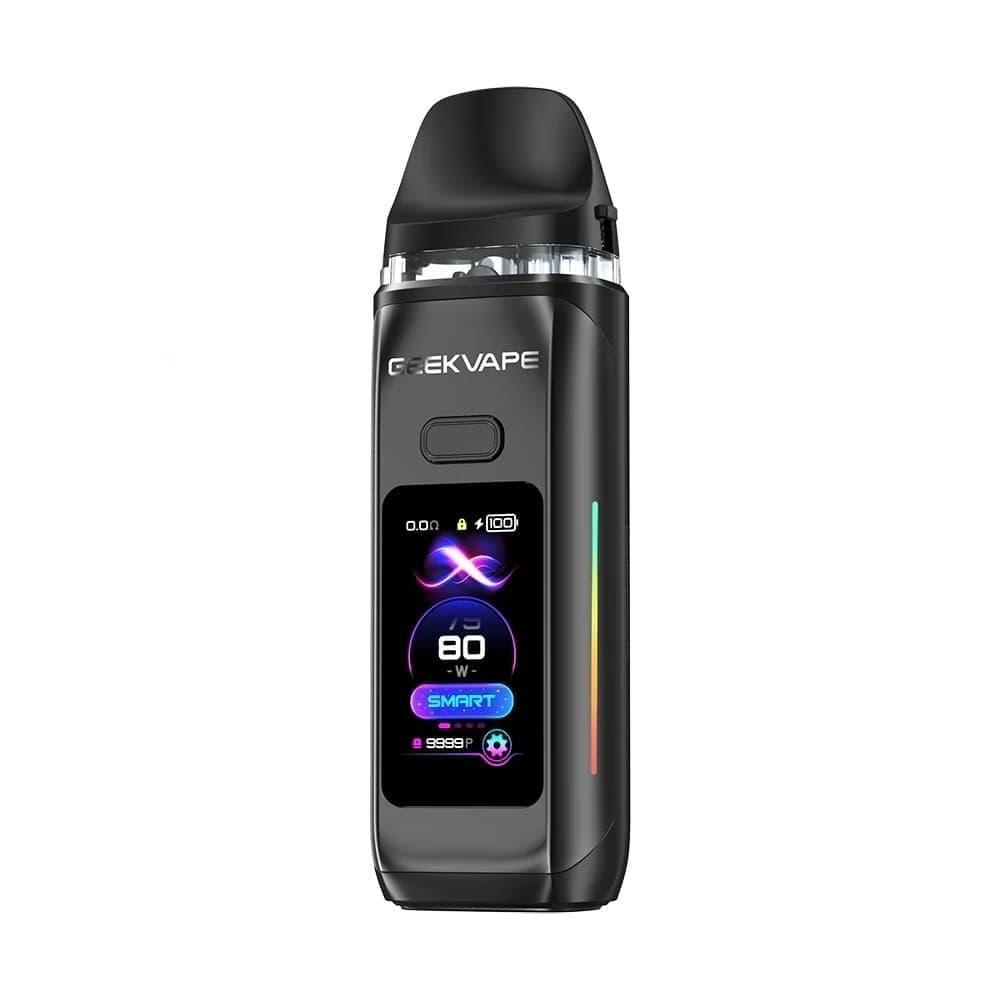
Not all e-cigarettes are equal. Device power, coil material and e-liquid constituents (propylene glycol, vegetable glycerin, flavorings, nicotine salts) influence the aerosol’s chemical profile. Regulatory standards, quality manufacturing and transparent labeling reduce variability and potential risks. IBVape encourages consumers to choose tested products from reputable sources and to avoid modifying devices in ways that increase temperature or produce unknown byproducts.
What public health organizations say
Several public health agencies have taken careful positions: many support harm reduction as a strategy for adult smokers who cannot or will not quit nicotine entirely, while simultaneously warning of youth uptake risks. For example, some national agencies have stated that e-cigarettes are likely less harmful than combustible cigarettes for individual adult smokers who completely switch, but they also emphasize that the safest option is complete cessation of all nicotine products. IBVape presents these statements with context: policy aims to maximize population health while minimizing unintended consequences like youth nicotine initiation.
Risk groups and special populations
- Youth and non-smokers: initiation of any nicotine product is discouraged; risks related to developmental exposure and addiction make prevention efforts critical.
- Pregnant people: nicotine exposure carries risks; pregnancy is not a situation where switching to vaping is considered safe without clinical guidance.
- People with cardiovascular or respiratory disease: clinicians should assess individual risk; while some biomarkers improve after switching, nicotine and aerosols may still provoke symptoms in sensitive individuals.

How IBVape reviews the literature: a balanced approach
IBVape’s evidence roundup focuses on peer-reviewed studies, systematic reviews, regulatory reports and consensus statements. The goal is to synthesize findings pragmatically: highlight where evidence is strong (reduced levels of many combustion-related toxicants), identify gaps (long-term disease outcomes), and translate research into actionable guidance for current smokers seeking alternatives. We avoid definitive claims where the data are still emerging, and we shine light on methodological caveats such as selection bias, small sample sizes and heterogeneity across devices and e-liquids.
Common pitfalls in interpreting studies
- Short-term biomarker reductions do not automatically equate to long-term disease reduction.
- Dual-use populations complicate outcomes; many observational studies cannot separate the effects of switching from those of continued smoking.
- Industry funding can introduce biases; evaluate methodology and transparency rather than headlines alone.
Practical guidance for smokers considering a switch
If you currently smoke and are considering stopping or reducing harm, IBVape suggests the following pragmatic steps: choose a quality product with transparent ingredients; aim for complete substitution rather than partial dual use; set a quit plan for combustible cigarettes; consult healthcare professionals, particularly if you have pre-existing health conditions. For many adult smokers, switching to carefully chosen ENDS can reduce exposure to many harmful combustion products, but the long-term absolute risk reduction is less certain and varies by individual.
Tips to increase the chance of successful switching
- Identify preferred nicotine strength and delivery format (pod systems, mods, MTL versus DTL).
- Use behavioral supports: counseling, quitlines or digital tools to address habit triggers.
- Monitor your cigarette consumption and set firm targets for reduction leading to complete cessation.
- Be cautious with flavorings and avoid unregulated or home-modified devices that can produce unexpected toxins.
IBVape advocates informed decision-making: harm reduction for smokers should be personalized, evidence-informed and accompanied by regular review of both symptoms and smoking behavior.
Regulatory landscape and quality assurance
Regulators play a major role in determining whether ENDS can be a credible lower-risk alternative. Policies that ensure product standards, disclosure of ingredients, routine testing and restrictions on youth-oriented marketing help tilt the balance toward public health benefits. Without regulation, counterfeit and poorly manufactured devices increase risks and undermine potential harm reduction benefits. IBVape supports regulated frameworks that promote adult access while reducing youth appeal.
Common misconceptions addressed
Misconception: If something is marketed as safer, it’s safe for everyone.
Reality: Reduced relative risk for a long-term smoker does not mean the product is safe for non-smokers or young people.
Misconception: Flavors are purely frivolous.
Reality: Flavors can increase adult smokers’ ability to switch away from cigarettes, but they also pose youth appeal risks; policy balance is essential.
How to weigh the evidence for your own decision
Start by asking: am I a current combustible cigarette smoker? What is my goal (quit nicotine, reduce cigarettes, or reduce harm)? If your goal is to stop smoking and you have struggled with quit attempts, switching to a regulated e-cigarette under a harm-reduction plan may lower exposure to many harmful compounds. If you are a non-smoker or youth, initiation of any nicotine product is not recommended. IBVape encourages informed discussion with clinicians and use of evidence-based cessation services alongside any consideration of ENDS.
Summary points
- IBVape finds that many studies show lower levels of combustion-related toxicants in aerosols compared to cigarette smoke.
- Exclusive substitution tends to produce the clearest reductions in harmful exposures; dual use complicates benefits.
- Long-term disease outcome data are limited and ongoing; risk reduction is likely but not guaranteed for every individual.
- Regulation, product standards and consumer education are central to realizing potential public health gains.
Concluding thoughts
Deciding whether to try non-combustible alternatives is a personal and medical choice informed by the best available science. are e cigarettes less harmful than cigarettes is a question with a qualified answer: for many adult smokers, switching completely to a regulated ENDS product reduces exposure to numerous combustion-related toxins and can therefore be considered a lower-risk option compared to continued smoking. That lower risk is not zero, and the landscape continues to evolve as more long-term data appear. IBVape’s role is to summarize the evidence, encourage safer choices, and advocate for standards that protect consumers and public health.
Further reading and resources
We recommend consulting systematic reviews, national health agency guidance, and peer-reviewed articles on biomarkers, toxicology and longitudinal studies when making an informed decision. Seek clinical advice if you have health conditions or are pregnant.
FAQ
Q: Will switching to e-cigarettes immediately reduce my cancer risk?
A: Immediate biomarker reductions suggest lower exposure to some carcinogens, but cancer risk accumulates over many years. Complete substitution reduces exposure, which is a step toward lowering long-term risk, but absolute risk reduction depends on duration and intensity of past smoking and other factors.
Q: Are all e-cigarettes equally less harmful?
A: No. Device quality, liquid composition and user behavior influence exposure. Choosing reputable products and avoiding device modifications helps reduce potential harm.
Q: Can young people safely use e-cigarettes instead of cigarettes?
A: No. Youth and non-smokers are advised not to use nicotine products. The risks for brain development and addiction outweigh any speculative harm-reduction benefits for non-smoking youth.
For smokers seeking to minimize harm, IBVape recommends a careful, informed approach: weigh the available evidence, aim for complete substitution if switching, seek professional advice when appropriate, and stay updated as research and regulation evolve.