
Understanding the Cost of Electronic Cigarettes: Factors That Influence E-Cigarette Pricing
Electronic cigarettes have emerged as a popular alternative to traditional smoking. For those new to vaping or considering the switch, one of the most pressing questions is: how much electronic cigarettes cost? Answering this involves exploring a range of variables that can influence the final price you’ll pay for a device and its ongoing usage.
The price of electronic cigarettes, often referred to as e-cigarettes or vapes, varies widely from inexpensive disposable models to premium refillable versions. Understanding these costs can help users make an informed decision and choose a product that meets their budget and preferences.
Categories of Electronic Cigarettes and Their Price Range
- Disposable E-Cigarettes: These are designed for single-use and are typically the most affordable. Prices generally range from $5 to $15 per unit, making them a convenient choice for beginners or travelers, but potentially more expensive in the long-term due to repeated purchases.
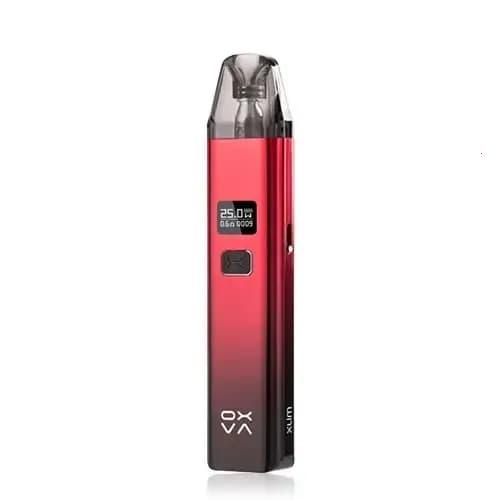
- Pod Systems: Compact, stylish, and popular among transitioning smokers, pod systems like JUUL or Vuse usually retail between $10 and $40 for the starter kits. Replacement pods cost between $5 and $20 for multi-packs, which adds to the ongoing expense.
- Vape Pens and Starter Kits: These are rechargeable, refillable devices with moderate price points. Basic vape pens start at about $15, while full starter kits can go up to $60 depending on quality and brand.
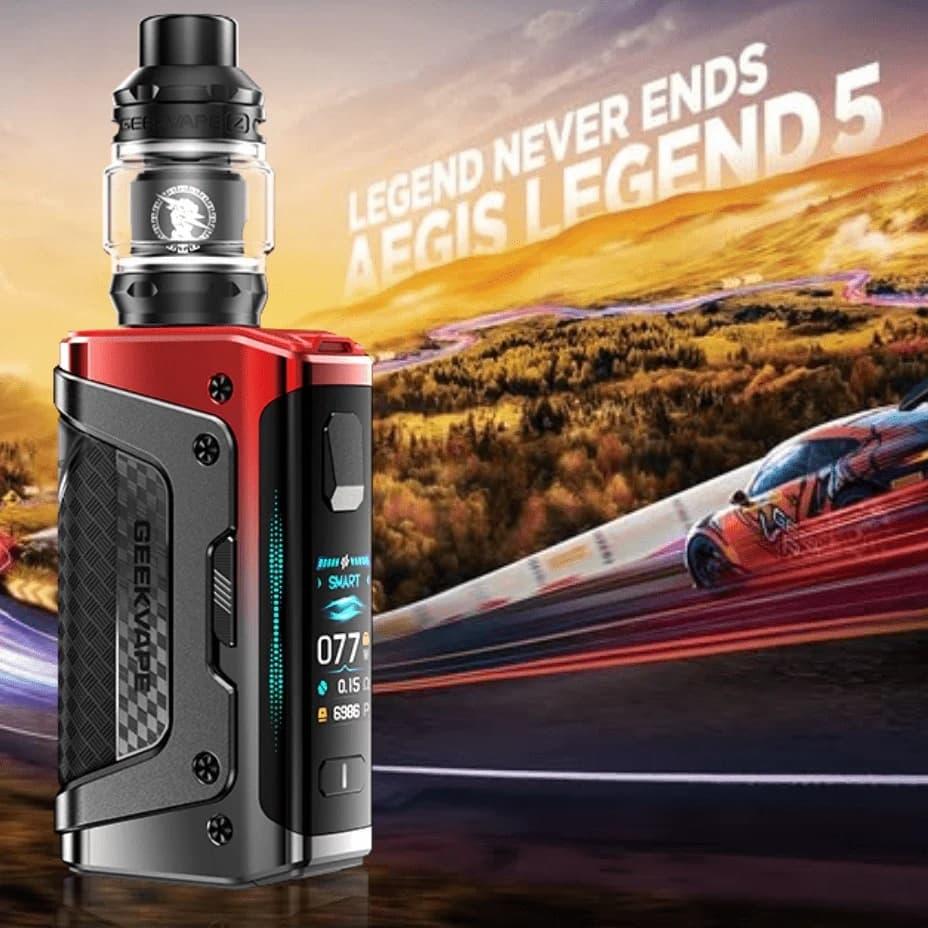
- Box Mods and Advanced Kits: Geared toward experienced vapers, these customizable kits can cost $40 to $150 or more. Price depends on features such as wattage, temperature control, additional batteries, and build quality.
What Factors Influence E-Cigarette Prices?
While the type of device is the primary determinant, several other factors play a role in the pricing of electronic cigarettes:
1. Brand Reputation: Recognized brands like SMOK, Vaporesso, and JUUL generally command higher prices due to their established market presence and perceived reliability.
2. Build Quality and Materials: Devices constructed from stainless steel, glass, or premium alloys tend to be priced higher than those made of plastic or cheaper metals.
3. Battery Capacity: Larger batteries mean longer usage times between charges, which can increase costs in more advanced models.
4. Technology and Features: Adjustable wattage, temperature controls, OLED displays, and other features all contribute to higher prices.
5. E-Liquid Compatibility: Some devices are compatible only with specific brands or proprietary cartridges, potentially raising long-term usage costs.
6. Purchase Location: Buying from online stores often provides discounts and promotions, while local vape shops might offer personalized service but at a premium.
7. Warranty and Customer Support: Extended warranties or responsive customer support can increase the overall price, but also add value.
Ongoing Costs: E-Liquids, Coils, and Accessories
- E-Liquids: This is the recurring expense for any vaping device. Bottles usually come in 10ml, 30ml, or 60ml sizes, costing anywhere from $5 to $30, depending on brand, ingredients, nicotine concentration, and flavor.
- Replacement Coils: Coils degrade over time and need regular replacement. They typically cost between $10 and $20 for multi-packs, with frequency of replacement influenced by vaping habits.
- Accessories: Batteries, chargers, carrying cases, and cleaning tools all add to the overall cost, especially for advanced users who want optimal performance or customization.
Comparing the Cost Over Time
It’s important to consider how much electronic cigarettes cost over the span of months or years. While a high-quality device might have a higher upfront price, it may save money in the long run through better efficiency and lower ongoing maintenance costs. Disposables, although cheap initially, accumulate higher bills with repeated purchases, whereas refillable models often become cost-effective after a period of time.
Furthermore, managing e-liquid and coil consumption, caring for your device, and staying informed about promotions and discounts can help reduce the total cost of ownership.
Potential Hidden Costs and Savings
While calculating the expense of owning an electronic cigarette, keep in mind hidden or potential costs: taxes in some regions on vape products, shipping charges on online purchases, insurance for expensive devices, and variable local pricing. Conversely, many stores offer loyalty programs, bundles, and seasonal discounts, allowing savvy shoppers to reduce expenses.
Additionally, switching from smoking to vaping may result in indirect savings through improved health and reduced medical bills, though these benefits vary individually.
Is It Worth the Investment?

For those weighing the cost against the perceived health and lifestyle benefits, electronic cigarettes represent both an initial investment and ongoing commitment. Factors like device longevity, preferred vaping style, and local market conditions should all inform purchasing decisions. As the vaping industry evolves, consumers are likely to enjoy an increasing range of choices at competitive price points.
FAQs on E-Cigarette Pricing
- How much does a typical beginner’s electronic cigarette cost?
- Starter kits or disposable devices usually range from $10 to $40, making them accessible for those new to vaping.
- Are refillable e-cigarettes more economical than disposables?
- While the initial expense for refillable devices is higher, they tend to be more cost-effective over time due to lower maintenance and e-liquid costs.
- Is it cheaper to buy online or in-store?
- Online stores can offer lower prices and wider selections, but local shops might provide better after-sales support. Comparing promotions, shipping fees, and regional taxes is essential to find the best deal.