
Tracing the Roots and Evolution of Modern Nicotine Alternatives
The emergence and rapid transformation of vapor devices over the past century is a story of invention, iteration, and cultural change. In this extensive overview we explore the invention, diffusion, regulatory reactions, scientific debates, and commercial evolution connected to the concept often referred to as E-Zigaretten and the broader history of e-cigarettes. This piece aims to provide context for curious consumers, public-health professionals, historians of technology, and industry observers alike. Expectations: clear timelines, technology explanations, market and regulatory snapshots, and forward-looking observations are included to help readers understand how small devices became global phenomena.
The early conceptual phase: precursors and patent-era tinkering
Long before modern nicotine vapor products, innovators experimented with heated aerosols and inhalable medical nebulizers. The mid-20th century saw patents for various inhalation devices that envisioned delivering medicated vapors without combustion. These early experiments laid technical foundations—battery-powered heating elements, wick-based liquid delivery, atomization approaches—that later inventors adapted. The continuous thread in the history of e-cigarettes is the attempt to separate nicotine delivery from smoke and combustion by using heat and aerosolization instead of fire.
From concept to the first commercialized devices
The watershed moment commonly cited in consumer narratives occurred in the early 2000s when entrepreneurs synthesized older concepts with modern miniaturized electronics and consumer-focused design. The first widely credited creators assembled compact batteries, a small heater, and a liquid reservoir to produce an inhalable nicotine-containing vapor. This stage combined chemistry (formulating stable nicotine-containing liquids), materials science (wicks, coils, seals), and industrial design (mouthpiece ergonomics, refill systems), catalyzing the first wave of public interest in what many Europeans would call E-Zigaretten.
Key technological milestones
- Battery evolution: The switch from simple cylindrical cells to rechargeable lithium-ion packs allowed longer runtimes and smaller device footprints.
- Heating systems: Early fixed-resistance coils gave way to variable-wattage and temperature-controlled solutions, improving consistency and user control.
- Liquid engineering: Propylene glycol (PG) and vegetable glycerin (VG) bases, flavorants, and nicotine salts expanded the range of experiences and affected throat hit and aerosol density.
- Form factors: From cigalikes to pen-style and then pod-mod formats, each generation emphasized portability, discretion, and ease of use.
Commercialization and market expansion
The commercialization phase brought companies and brands into a competitive field, introducing packaging, retail channels, and marketing strategies tailored to adult smokers seeking alternatives. Throughout this phase the terms E-Zigaretten and history of e-cigarettes began to appear in product descriptions, health debates, and media narratives. Notably, markets diverged by region: European consumers used terminology influenced by local languages, while North American markets adopted different product classifications and regulatory frameworks.
Regulatory responses and public health debates
Health authorities, lawmakers, and advocacy groups scrutinized the devices early on. Key concerns included the potential for youth uptake, the addictiveness of nicotine, product safety (battery failures, overheating), and the accuracy of health claims. Studies offered mixed results: some population-level analyses suggested adult smokers who switched completely to vapor products reduced exposure to combustion-related toxins, while other studies highlighted rising youth experimentation. Regulators worldwide responded with a patchwork of rules covering sales age limits, flavor restrictions, advertising bans, taxation, product standards, and mandatory ingredient disclosures.
“Regulation often reflects social values as much as science. The debate over vapor products shows how public policy navigates harm reduction, youth protection, and commercial freedoms.”
Product categories and naming conventions
Understanding the taxonomy helps readers navigate conversations about the devices. Categories include:
- Cigalikes: Disposable or rechargeable devices resembling traditional cigarettes; often used as an entry product.
- Vape pens: Larger than cigalikes, offering refillable tanks and more powerful batteries.
- Pod systems: Compact modular devices using sealed or refillable pods; popular for their convenience and discreetness.
- Mods and advanced systems: Customizable devices aimed at hobbyists, with adjustable power, airflow, and rebuildable atomizers.
Throughout the industry the history of e-cigarettes shows an adaptive cycle: as users learn and adapt, manufacturers respond with new convenience features, safety improvements, and flavors.
Scientific studies and evolving evidence
Evidence about health impacts has evolved. Short-term studies measured reductions in harmful combustion products among smokers who switched to vapor products. Other research focused on respiratory symptoms, cardiovascular markers, and biomarkers of exposure. Longitudinal studies remained harder to conduct due to the relatively recent rise of the technology. Systematic reviews often concluded that while vaping is not risk-free, relative risk compared to smoking is likely lower for many toxins measured, though uncertainties persisted about long-term effects and patterns of dual use (using both cigarettes and vapor products).
Nicotine chemistry and delivery
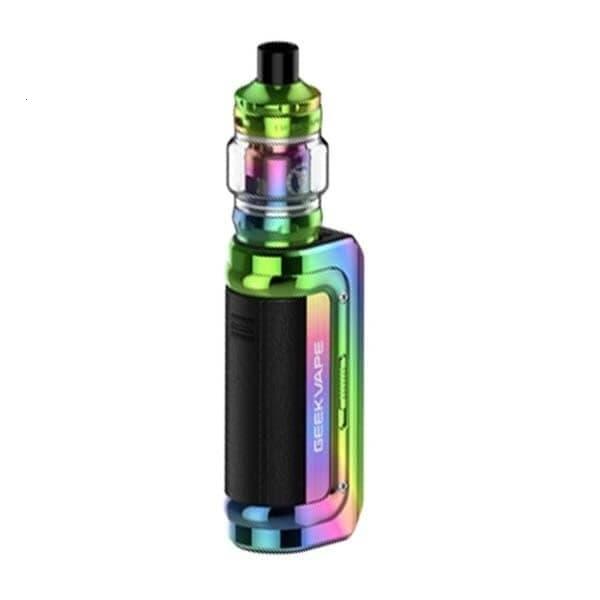
Technological refinements like nicotine salts changed the user experience by allowing higher nicotine concentrations with less perceived harshness. This innovation affected both adult cessation efforts and regulatory concerns about product appeal to young people. Clear labeling, concentration limits, and child-resistant packaging emerged as industry responses and regulatory requirements in many markets.
Market trends and consumer behavior
Market research documented several consistent patterns: early adopters were often former or current smokers seeking alternatives; flavors played a role in product trial and sustained use; price and convenience influenced switching behavior; and social dynamics—peer norms and online communities—amplified diffusion. By the time pod systems and nicotine salt formulations became mainstream, many brands had developed strong brand recognition, reshaped retail channels, and used digital platforms for adult-targeted education and support.
Design, manufacturing quality, and safety standards
Consumers and regulators increasingly demanded higher manufacturing standards. Quality-control measures addressed battery safety, leak prevention, and consistent nicotine delivery. Standards organizations, national agencies, and industry groups proposed testing protocols for emissions, device reliability, and chemical analyses of liquids and aerosols. Transparent manufacturing lists, batch testing, and third-party certifications became competitive differentiators for reputable brands.
Social and cultural influences
Vaping culture evolved beyond mere nicotine delivery. Hobbyist communities focused on cloud-chasing and coil-building, while mainstream consumers favored taste, convenience, and discreet design. The visibility of devices in public spaces sparked debates about public vaping policies, workplace rules, and hospitality-sector responses. The language used—terms like “vape,” “e-liquid,” or localized descriptors such as E-Zigaretten—reflects cultural adoption and regulatory framing.
Global regulatory comparison
Different jurisdictions illustrate contrasting approaches: some countries adopted stringent bans or near-total prohibitions; others embraced regulated markets with product standards and adult-oriented retail. The European Union’s Tobacco Products Directive (TPD) introduced product notification systems and limits on liquid volumes; other nations looked to taxation and age enforcement to control access. This diversity influenced cross-border trade, product innovation, and the strategic decisions of multinational companies operating in the space.
Industry structure and branding
The market shifted from many small innovators to a more consolidated landscape where legacy tobacco companies, independent manufacturers, and niche craft producers coexisted. Branding strategies ranged from medicalized cessation framing to lifestyle and community-centered narratives. Search engine trends show rising interest in queries combining brand names, regulatory news, and health-related keywords—highlighting the importance of clear, well-structured information for consumers researching the history of e-cigarettes and product choices.
Harm reduction, cessation, and clinical perspectives
Clinicians often faced nuanced decisions when advising patients. For adult smokers who had failed other cessation methods, switching to a less harmful nicotine-delivery device was sometimes considered a pragmatic harm-reduction strategy. However, clinicians balanced this against the unknown long-term risks and the need to avoid initiating nicotine use among non-smokers. Clinical guidelines varied by country, and many health organizations called for more rigorous research while acknowledging potential benefits for smoking cessation in certain populations.
Communication, misinformation, and media narratives
Media coverage sometimes amplified sensational stories—battery explosions, acute lung injury clusters, or youth-use headlines—creating waves of public concern and regulatory action. Careful examination revealed that product type, source, and user behaviors played major roles in risk. Distinguishing between illicit or modified products and regulated legal devices is essential when interpreting media accounts and academic papers. Accurate communication must emphasize nuance: product quality, usage patterns, and user history profoundly affect outcomes.
Environmental and waste considerations
As disposable and single-use products gained market share, environmental advocates raised alarms about batteries, plastics, and chemical waste. Recycling programs, design-for-reuse initiatives, and take-back schemes emerged as partial solutions. Sustainable design and extended producer responsibility began to influence product development in environmentally conscious markets.
Technological convergence and the future
Two parallel trends shape the near-term future: incremental engineering improvements to safety and user experience, and integration of digital features—smart battery management, usage tracking, and personalized settings. Regulatory trajectories will also steer innovation: standards for emissions testing, ingredient disclosure, and advertising will shape what products reach mainstream markets. In the long term, continued research into nicotine formulations, alternative delivery mechanisms, and even non-nicotine behavioral supports could alter the role these devices play in public health.
Key takeaways for consumers and policymakers
- Consumers: Prioritize devices from reputable manufacturers, understand nicotine concentrations, and learn safe battery handling and charging practices.
- Policymakers: Craft evidence-based policies that balance adult harm-reduction opportunities with robust youth-protection measures.
- Healthcare providers: Stay informed about evolving evidence and discuss realistic harm-reduction options with adult smokers seeking alternatives.
Glossary of terms and concepts
For readers navigating the language of this sector: e-liquid (the solution vaporized by a device), coil (the heating element), wattage (power affecting aerosol production), pod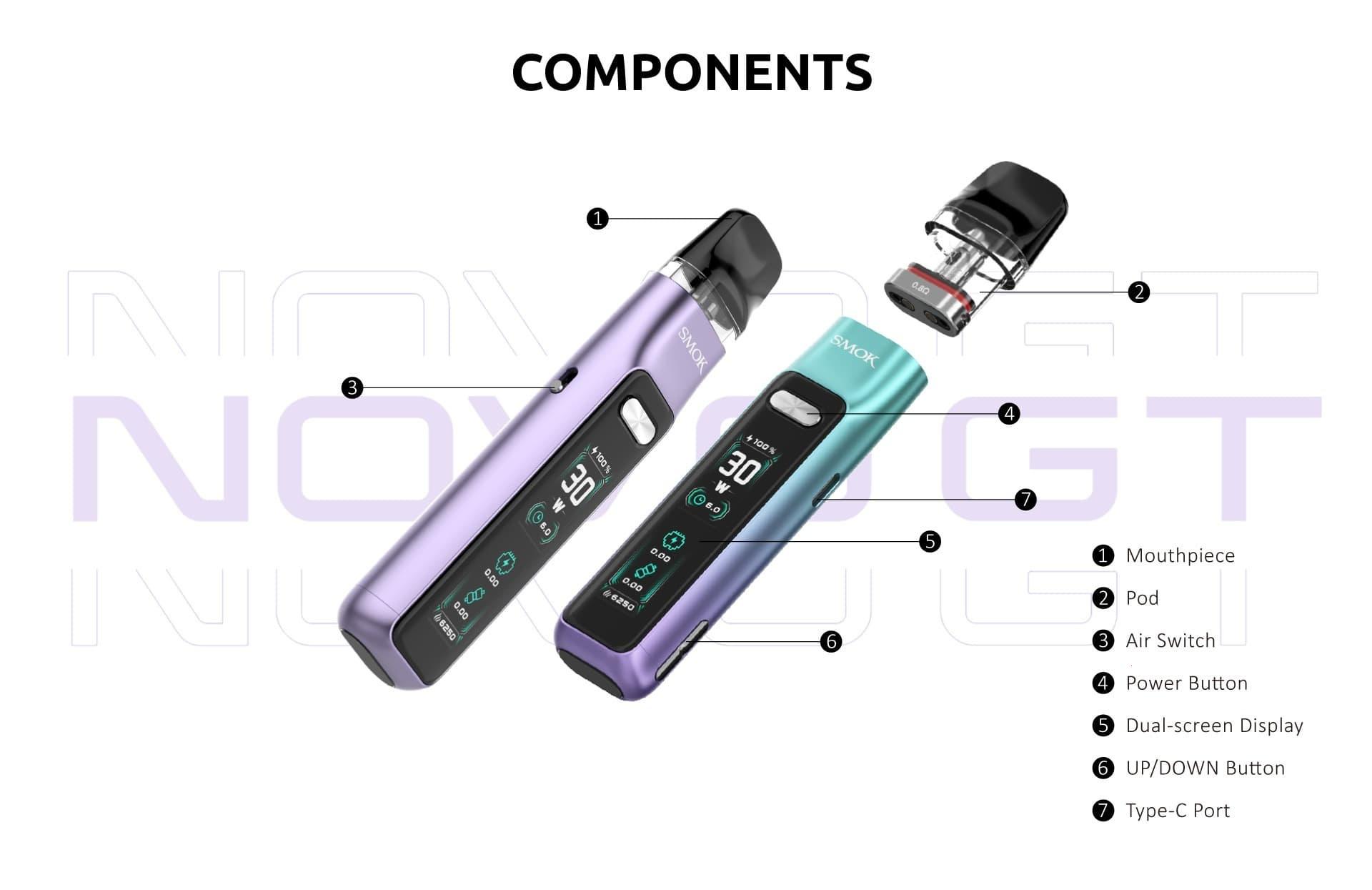 (a modular cartridge), and nicotine salts (a formulation altering absorption and sensory experience). These concepts recur across the history of e-cigarettes and current product descriptions, and understanding them helps buyers and researchers interpret claims and data.
Practical consumer checklist
- Choose regulated products with clear labeling and batch testing where available.
- Understand nicotine strengths and consider gradual reduction strategies if your goal is cessation.
- Store liquids and devices safely away from children and pets; use proper battery chargers.
- Be aware of local laws and workplace rules about public use.
Concluding reflections
The arc from laboratory patents to a global consumer marketplace encapsulates technological ingenuity, regulatory learning, and shifting public perceptions. Whether described with regional terms like E-Zigaretten or discussed within the broader history of e-cigarettes, the phenomenon has reshaped conversations about nicotine, harm reduction, and consumer technology. As evidence accumulates and policy adapts, informed decisions by consumers, clinicians, and regulators will determine how these devices integrate into society’s response to tobacco-related disease.
Frequently Asked Questions
Q1: Are modern vapor products safer than traditional cigarettes?
Available evidence suggests many harmful combustion-related chemicals are reduced or absent in typical vapors compared with cigarette smoke, but vaping is not risk-free. Relative risks depend on device quality, liquid composition, and user behavior.
Q2: Can e-devices help a smoker quit?
Some smokers report successfully switching completely to vapor products and reducing exposure to smoke-related toxins. Clinical outcomes vary; for some adults, these devices can be part of a cessation or harm-reduction strategy when other methods have failed.
Q3: What should a new user look for when choosing a product?
Look for well-reviewed, regulated products with clear labeling, consider nicotine strength, read manufacturer safety guidance, and prioritize devices with built-in safety features and reputable customer support.