
Vape Shop guide: Practical insights into e-cigarette risks and safer choices

In a crowded market where customers search for knowledgeable retailers and clear advice, a modern Vape Shop can become a trusted resource for informed decisions. This long-form guide explores the health concerns often asked by shoppers, especially the frequent query framed as what are the negative effects of e cigarettes, and it outlines practical, evidence-based strategies to minimize risk. The content below is organized for both consumers and retail professionals looking to improve product recommendations, compliance, and harm-reduction counselling.

Understanding e-cigarette basics and why the question matters
Before addressing what are the negative effects of e cigarettes, it’s helpful to define the devices and common components. Most disposable or refillable units combine a battery, heating element, and liquid (e-liquid) composed of solvents (usually propylene glycol and vegetable glycerin), flavorings, and often nicotine. Variations in device power and liquid chemistry influence emissions and user exposure. A responsible Vape Shop staff will explain these differences and emphasize that risk is not uniform across all products.
Key categories of negative effects
When customers ask what are the negative effects of e cigarettes, they are often referring to a mix of short-term symptoms, long-term health uncertainties, and behavioral concerns. Below are the major categories:
- Physiological impacts: irritation in the mouth, throat, and lungs; coughing; increased heart rate; and, in some cases, bronchial reactivity. These effects correlate with nicotine dose, device temperature, and presence of volatile chemicals.
- Cardiovascular concerns: nicotine is a stimulant linked to transient increases in heart rate and blood pressure. For users with preexisting heart conditions, these changes can be clinically relevant.
- Respiratory and lung health: aerosols can contain fine particles and chemical byproducts. Long-term effects on lung tissue and function are still being researched; however, documented cases of acute lung injury from contaminated or illicit products highlight real hazard pathways.
- Nicotine dependence: e-cigarettes can deliver nicotine efficiently, raising the risk of sustained dependence, especially among youth and non-smokers.
- Behavioral and social effects: normalization of inhalation behavior can affect quitting attempts, and dual use with conventional cigarettes may perpetuate harm rather than reduce it.
- Product and device risks: battery failures, poor-quality components, or adulterated liquids can cause burns, explosions, or toxic exposures.
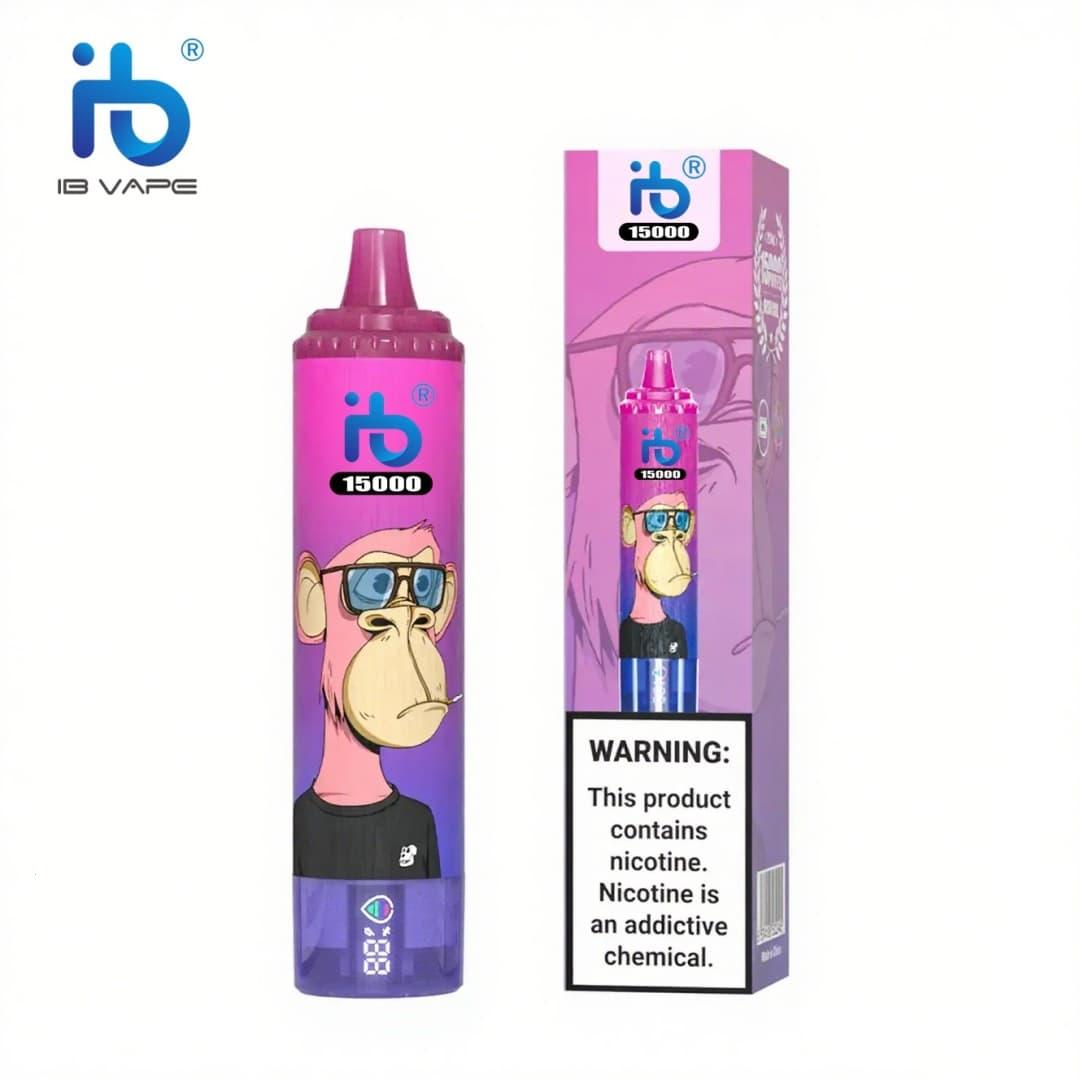 Vape Shop insights on what are the negative effects of e cigarettes and safer choices for customers” />
Which chemicals and exposures drive the risks?
To answer what are the negative effects of e cigarettes from a chemical perspective, consider these contributors: contaminants in black-market products (vitamin E acetate was implicated in past outbreaks), thermal decomposition products from heating solvents and flavorings (such as formaldehyde-like compounds), ultrafine particulate matter, and nicotine itself. Flavoring agents, though food-safe when ingested, are not always proven safe when vaporized and inhaled; diacetyl, for instance, is associated with bronchiolitis obliterans when inhaled at high levels.
Evidence strength and uncertainties
Scientific evidence demonstrates certain acute adverse events and supports nicotine dependence concerns, but long-term epidemiological data are still developing. A well-run Vape Shop communicates uncertainty transparently: it presents what is known, acknowledges gaps, and avoids overstating safety claims. This balanced approach helps customers weigh benefits and risks based on current science.
Who is most at risk?
Not all users face the same risk profile. Groups of special concern include:
- Youth and adolescents: nicotine exposure harms brain development and increases addiction susceptibility.
- Pregnant people: nicotine exposure can affect fetal development.
- Cardiopulmonary patients: preexisting conditions magnify potential harms.
- Non-smokers: initiating nicotine use introduces unnecessary health risks.
For retail staff, identifying these groups and communicating tailored cautions is part of ethical sales practice.
Practical harm-reduction strategies a Vape Shop should promote
When customers search what are the negative effects of e cigarettes, they often want actionable advice. Below are harm-reduction steps that a responsible Vape Shop can recommend:
- Prefer regulated products: purchase from reputable manufacturers and authorized retailers to reduce the risk of contaminants. Avoid black-market or homemade liquids.
- Choose lower nicotine or nicotine-free options: reducing nicotine concentration reduces dependence potential. Gradual step-down plans can help users transition away from nicotine.
- Avoid high-power or modified devices: sub-ohm vaping and extreme wattage can increase thermal degradation of liquids and produce more harmful byproducts.
- Use simple flavor profiles: complex or buttery flavors have generated concern; selecting less chemically complex flavors may reduce unknown inhalation risks.
- Follow manufacturer maintenance guidance: proper coil changes, safe battery handling, and correct charging reduce device failure and toxic component formation.
- Consider alternative cessation tools: for smokers seeking to quit, evidence-based options such as nicotine replacement therapy, behavioral support, and approved medications may be safer than long-term vaping.
Customer communication scripts for in-store staff
Training frontline employees in clear, empathetic language helps customers make informed choices. Examples:
“If you’re switching from cigarettes, some find vaping reduces cravings, but it’s not risk-free. We recommend regulated products and gradually stepping down nicotine.”
“If you’re asking what are the negative effects of e cigarettes, a key point is that nicotine impacts the heart and brain, and some flavor chemicals haven’t been fully evaluated for inhalation.”
Regulatory context and quality control
Local and national regulations shape product safety standards. A proactive Vape Shop tracks updates, verifies supplier compliance, and keeps batch records. Encouraging customers to look for transparent lab certificates (COAs) that report nicotine strength, solvent purity, and absence of harmful contaminants is an important quality-control step.
Labeling, COAs, and what to check
COAs should be recent, reference accredited labs, and include tests for nicotine content, solvent purity, heavy metals, and key contaminants. Staff should help customers interpret these reports without making clinical claims.
Safer usage practices and lifestyle integration
Beyond product choice, how people use e-cigarettes matters. Safer practices include avoiding inhalation at extreme power, limiting frequency of use, keeping devices away from children and pets, and not using them indoors where non-users can be exposed. For dual users of cigarettes and e-cigarettes, the priority is fully switching away from combusted tobacco or ideally quitting all nicotine products, with professional cessation support when needed.
Environmental and disposal considerations
Devices and cartridges contain batteries and plastics that require appropriate disposal. A responsible Vape Shop offers guidance on battery recycling and safe cartridge disposal, reducing environmental impact and accidental exposures.
How data and customer feedback improve safety
Shops that log adverse event reports, track product complaints, and maintain open communication with manufacturers can detect safety signals early. Encouraging customers to report unexpected symptoms or device malfunctions supports community health and helps shops refine their product selection.
Case scenarios: translating risks into recommendations
Scenario 1: A long-term smoker asks about switching. Recommendation: discuss nicotine dose matching, encourage reputable regulated products, and plan a nicotine reduction timeline coupled with behavioral support.
Scenario 2: A young adult with no prior nicotine use is curious about flavors. Recommendation: explain addiction risks, respiratory uncertainties, and recommend avoidance; offer fact sheets about what are the negative effects of e cigarettes targeted to non-smokers.
Scenario 3: A customer experiences throat irritation after changing flavors. Recommendation: advise stopping the product, rinsing, seeking medical advice if severe, and choosing simpler flavor profiles with verified ingredients.
Marketing responsibly while respecting SEO needs
From a content and search perspective, a well-optimized page that addresses queries such as what are the negative effects of e cigarettes should combine clear headings, frequently asked questions, reputable references, and internal links to product safety pages or COAs. Use semantic HTML like
,
, and
, bold key phrases (Vape Shop), and sprinkle exact-match and semantically related phrases naturally to avoid keyword stuffing.
Summary: balanced framing for customers and retailers
, bold key phrases (Vape Shop), and sprinkle exact-match and semantically related phrases naturally to avoid keyword stuffing.
Summary: balanced framing for customers and retailers
To summarize: consumers often ask what are the negative effects of e cigarettes because they want straightforward, actionable information. A professional Vape Shop responds with honest summaries of current evidence, recommends regulated products, supports harm-reduction approaches, and avoids definitive claims about long-term safety until stronger data are available. By combining transparent product sourcing, staff training, and consumer education, shops can help customers make safer choices.
Call-to-action for retailers
If you manage or work in a Vape Shop, consider these operational steps: update training materials to include the latest research summaries on e-cigarette adverse effects, require COAs from suppliers, implement an adverse events log, and create consumer handouts that answer core questions like what are the negative effects of e cigarettes in clear plain language.
Finally, stay engaged with public health updates and prioritize customer safety over aggressive upselling; trust and credibility are long-term assets for any retailer.
FAQ
Q: Are e-cigarettes safer than combustible cigarettes?
A: For adult smokers switching completely, most health authorities indicate e-cigarettes may reduce exposure to some harmful combustion products, but they are not risk-free. Safety depends on product choice, nicotine use, and avoiding illicit or contaminated products. A Vape Shop should provide comparative information without implying absolute safety.
Q: Can e-cigarettes cause long-term lung disease?
A: Research is ongoing. Acute lung injuries related to certain illicit additives have been documented, and inhaling vaporized chemicals may carry long-term respiratory risks that are not yet fully quantified. Precautionary approaches, like selecting regulated products and avoiding risky additives, help reduce potential harms.
Q: How can I reduce the chance of addiction?
A: Choose lower nicotine concentrations, limit frequency of use, consider nicotine-free options if appropriate, and seek support for cessation if dependency emerges. Retail staff should avoid promoting high-nicotine products to non-smokers and youth.