
Comprehensive Review and Practical Science Guide for Modern Vapers
Understanding the basics: what e-papierosy are and why people ask if e cigs are safer
This guide explores the evidence, mechanisms, practical tips and public-health considerations behind electronic nicotine delivery systems, often labeled e-papierosy or e-cigarettes. Many smokers and healthcare professionals repeatedly ask a core question: “is e cigs safer than cigarettes“? The short answer depends on the comparison metric, the specific product, user behavior, and the timeframe—short, medium or long term. Below we present an in-depth synthesis of scientific data, product review points, safety checks and pragmatic advice for adults considering switching from combustible tobacco.
How e-papierosy work: components and common variations
At a technical level, most e-papierosy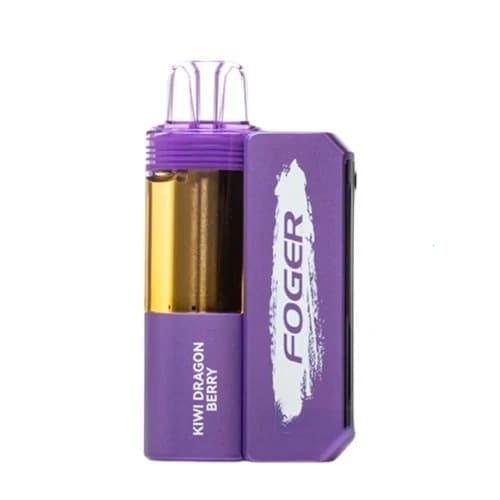 devices combine a battery, an atomizer (coil), a wick and an e-liquid reservoir. Devices range from disposable pod systems and cig-a-like models to refillable pod mods and advanced rebuildable units. Key differences affecting exposure include power output, coil material, temperature control, and e-liquid composition. Nicotine delivery rate, aerosol particle size and flavoring chemicals are all modulated by device design.
Key chemical and physical differences compared to combustible cigarettes
- Combustion vs aerosolization: Traditional cigarettes burn tobacco, producing thousands of combustion products including tar, carbon monoxide and numerous carcinogens. e-papierosy heat liquids to create an aerosol; because there is no combustion, many well-known toxicants are present at lower concentrations or not detected.
- Nicotine: Both products often deliver nicotine. Nicotine itself is addictive and has cardiovascular effects, but it is not the primary cause of tobacco-related cancers.
- Other constituents: E-liquids generally contain propylene glycol (PG), vegetable glycerin (VG), flavorings and nicotine (optional). Thermal degradation can form carbonyls such as formaldehyde and acrolein, especially at high-power settings.
What the science shows about relative risk
Systematic reviews and public health reports consistently find that substituting e-papierosy for combustible cigarettes reduces exposure to many harmful and potentially harmful constituents. Several large reviews conclude that for an adult smoker who switches completely, e-cigarettes are likely less harmful than continued smoking. However, the magnitude of risk reduction varies by outcome: respiratory symptoms may improve, cardiovascular risk markers can show favorable changes in the short term, but long-term epidemiological data on cancer and chronic disease risk remain incomplete.
Major findings summarized
- Short-term biomarkers of exposure decline when smokers switch to e-papierosy completely, often substantially.
- Acute respiratory and cough symptoms can diminish among former smokers who switch, though some users report throat irritation or transient cough depending on device settings and e-liquid.
- Cardiovascular studies are mixed: heart rate and blood pressure increase transiently with nicotine intake, but surrogate markers like oxidative stress may improve after quitting smoking in favor of vaping.
- Long-term cancer risk reduction is plausible due to lower exposure to carcinogens, but definitive evidence requires decades of longitudinal data.
Risks, unknowns and population-level concerns
Public health evaluations emphasize that while individual harm reduction is possible, there are important concerns: youth uptake, dual use (vaping plus smoking), product safety incidents (battery failures, contaminated liquids), variability in product quality, and flavor-related health effects. For these reasons, regulators and health organizations often recommend minimal youth access, strict quality controls and clear labeling. The question is e cigs safer than cigarettes must therefore be answered with nuance: safer for an adult smoker who switches completely and uses regulated products; potentially harmful and unacceptable for nicotine-naïve young people.
Practical review: how to evaluate an e-papierosy product
When comparing devices and liquids, consider the following checklist:
- Manufacturer transparency: Does the brand publish ingredients, nicotine concentration accuracy and safety testing?
- Battery quality: Are batteries protected against short circuits, overheating and overcharging? Is the charger reliable?
- Coil and materials: What metals are used in the coil? Avoid devices that lack material safety information.
- Power and temperature control: Devices with regulated power and temperature control can reduce thermal degradation and the formation of harmful byproducts.
- Nicotine salt vs freebase nicotine: Nicotine salts deliver higher nicotine concentrations smoothly and may better satisfy heavy smokers, potentially aiding complete switching.
- Flavoring sources: Seek brands that use food-grade flavors and provide ingredient lists; be cautious with unverified homemade liquids.
Maintenance and safe usage tips
Proper maintenance reduces risk: use the correct coils and e-liquid, avoid dry hits (which cause overheating), charge batteries per manufacturer instructions, store e-liquids safely away from children and pets, and replace coils and wicks regularly. If a device malfunctions—overheating, leaking or burning smells—stop use and seek replacement. Responsible users also monitor nicotine intake to avoid dependence escalation.
Comparative clinical evidence for smoking cessation
Randomized trials comparing e-cigarettes to nicotine replacement therapy (NRT) show mixed but promising results. Some studies indicate higher quit rates with e-cigarettes under certain conditions, particularly when combined with behavioral support. However, long-term abstinence and relapse patterns vary; continued nicotine use via vaping is not uncommon. For smokers unable or unwilling to use approved cessation medications, switching completely to e-papierosy can still represent meaningful harm reduction.

Youth, flavors and policy considerations
Youth initiation is a critical public-health issue. Flavored products increase experimentation among adolescents. Policies that limit youth-targeted marketing, restrict flavors appealing to minors while preserving adult access to alternatives can balance harm reduction and prevention goals. Many jurisdictions implement age verification, flavor restrictions, and product standards to mitigate this risk.
Environmental and secondhand considerations
Exhaled e-cigarette aerosol contains nicotine, flavoring residues and small particles, but concentrations of many toxicants are substantially lower than cigarette smoke. Indoor use policies should weigh the reduced chemical load against potential nuisance and public comfort. Proper disposal of batteries and cartridges is important to avoid environmental contamination.
Common myths and evidence-based clarifications
- Myth: Vaping is completely harmless. Fact: Vaping is less harmful than smoking for most measures, but not harmless; nicotine and other aerosol constituents carry risks.
- Myth: E-cigarettes explode frequently. Fact: Battery incidents are rare when quality batteries and chargers are used; most issues stem from improper batteries or chargers.
- Myth: Flavors are safe because they are food-grade. Fact: Inhalation can differ from ingestion; inhalation safety of many flavoring chemicals is not fully established.

Stepwise strategy for smokers considering switching
For adult smokers evaluating e-papierosy as a harm-reduction strategy, consider a stepwise approach:
- Assess your smoking pattern and history; consult a clinician if you have cardiovascular or respiratory disease.
- Choose a regulated device with adequate nicotine delivery to prevent relapse to cigarettes; consider nicotine salts if you were a heavy smoker.
- Set an explicit quit or switching date and seek behavioral support where possible.
- Monitor symptoms and consider reducing nicotine concentration over time if your goal is nicotine cessation.
- Avoid dual use; aim for complete substitution to gain the most health benefits.
Regulatory and quality-control markers to look for
Prefer products subject to regulatory review or that voluntarily submit to third-party lab testing. Look for certificates of analysis (COAs) showing measured nicotine levels and absence of contaminants. In jurisdictions with standardized product registration and safety requirements, use those channels to verify compliance.
Device safety recap
- Use manufacturer-approved batteries and chargers.
- Follow coil and e-liquid compatibility recommendations.
- Keep firmware updated for advanced devices with smart protections.
- Store e-liquids properly to avoid degradation and contamination.
Conclusion: answering the central comparison
When the core question is reframed with nuance—”compared to continuing to smoke combustible cigarettes, does switching to e-papierosy reduce harm?”—the scientific consensus leans toward “yes” for adult smokers who completely switch to quality products and avoid dual use. However, the absolute safety profile is incomplete, long-term risks need more data, and public-health policy must prevent uptake among non-smokers, especially youth. The exact answer to is e cigs safer than cigarettes depends on individual circumstances, products used, and patterns of use.
Additional resources for evidence-based decisions
Consult peer-reviewed systematic reviews, national health agency guidance, and clinical cessation services. Registered smoking-cessation programs can integrate behavioral support with phased transitions to alternatives. If unsure about device selection or medical suitability, a healthcare professional offers personalized advice.

Practical checklist before switching
- Confirm product quality and ingredient transparency.
- Choose a device with reliable battery protections.
- Use adequate nicotine to prevent relapse.
- Commit to complete substitution rather than dual use.
- Seek follow-up from a clinician or cessation service.
The bottom-line: for many adult smokers, high-quality e-papierosy can represent a less harmful alternative to continued cigarette smoking, although they are not risk-free and their long-term effects will continue to be clarified by ongoing research. Public health strategies should facilitate adult harm reduction while strongly deterring youth uptake and unregulated product distribution.
FAQ
Q1: Are e-papierosy completely safe long-term?
No. Current evidence suggests lower risk than combustible tobacco, but long-term safety data spanning decades are not yet available; caution and quality control matter.
Q2: If I vape, can I still get tobacco-related cancers?
Risk appears lower due to reduced exposure to many carcinogens, but a reduced risk is not zero—complete cessation of nicotine and aerosol exposure yields the greatest reduction in harm.
Q3: Will switching to e-papierosy help me quit smoking?
Many adult smokers report successful switching and some clinical trials show improved quit rates versus traditional NRT; behavioral support improves outcomes.