
Are E-Cigarettes Banned? Understanding Global Regulations and Latest Laws
The Fundamentals: What Are E-Cigarettes?
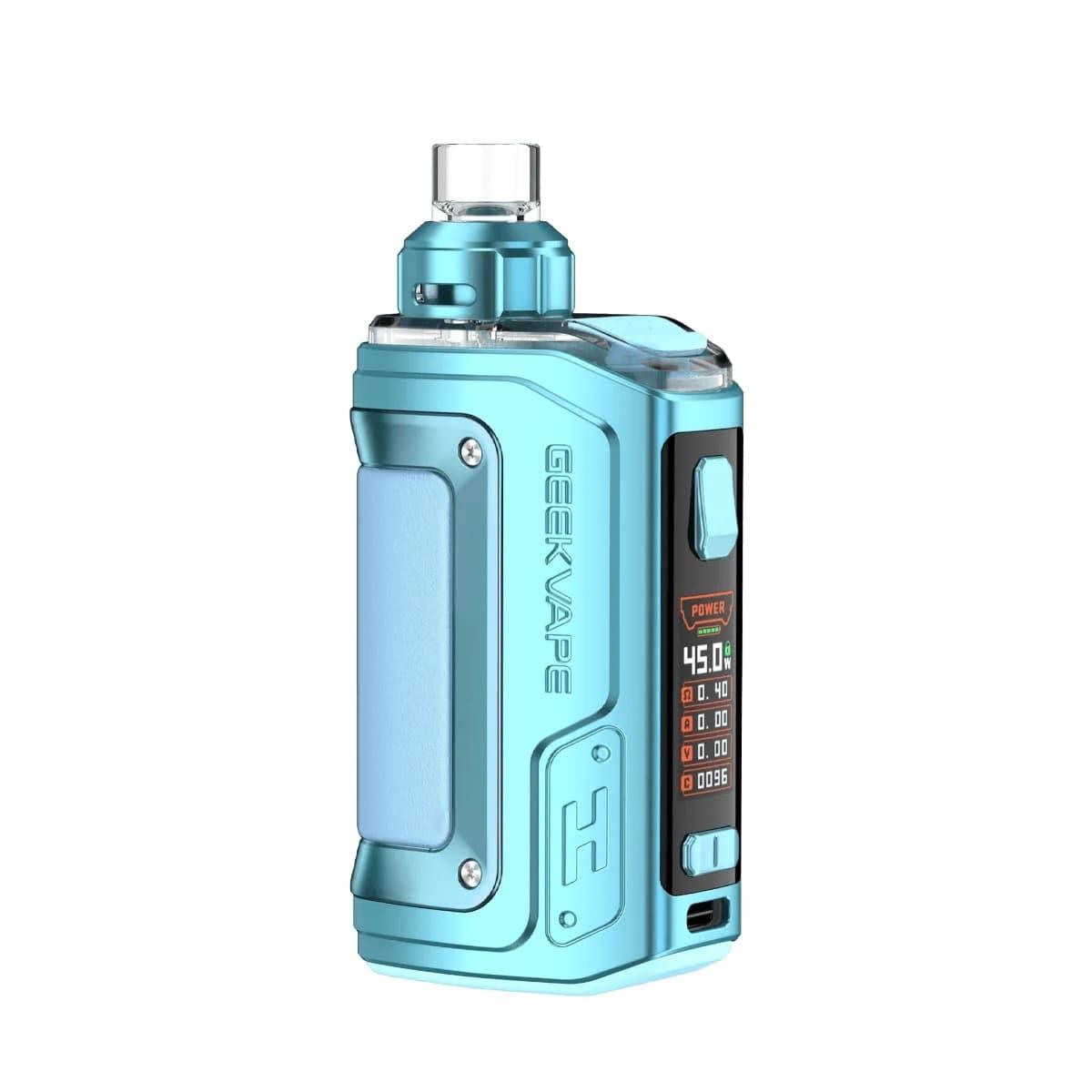
E-cigarettes are battery-powered devices designed to mimic traditional smoking. They work by heating a liquid solution—often containing nicotine, flavorings, and other chemicals—to create an inhalable aerosol. While proponents claim e-cigarettes are a less harmful alternative to combustible tobacco, concerns over health risks, youth uptake, and long-term safety persist.

Global Overview: Are E-Cigarettes Banned?
- United States: E-cigarettes are not banned federally, but they are subject to regulation by the FDA. States and municipalities may impose stricter rules, including flavor bans or age limitations. For example, some cities have banned the sale of flavored e-cigarette products, and the age limit for purchase is set at 21 nationwide.
- United Kingdom: Vaping products are legal and regulated under the Tobacco and Related Products Regulations 2016. Sales are prohibited to those under 18, and advertising restrictions are in place. E-cigarettes are sometimes recommended as smoking alternatives by health authorities.
- Australia: Nicotine-containing e-cigarettes are effectively banned for retail sale without a prescription. Possession, import, and use are strictly regulated, with some states enforcing severe penalties for violations. However, non-nicotine vapes may be available but are subject to local laws.
- India: In September 2019, the Indian government enacted a blanket ban on e-cigarettes, covering manufacture, sale, import, export, transport, and advertising.
- Brazil: Brazil prohibits the sale, import, and advertising of all types of e-cigarettes. Enforcement is strict, and breaking the law can lead to fines and other penalties.
- Singapore: Singapore has some of the strictest regulations globally; it bans the sale, import, and even possession of e-cigarettes entirely, with heavy fines for violators.
- European Union: Most EU member states allow regulated sales but have implemented advertising restrictions, packaging requirements, and nicotine strength limits. Local rules, such as flavor bans or public use bans, vary by country.
It’s evident that the answer to “are e-cigarettes banned” depends entirely on the jurisdiction. While total bans exist in some countries, others favor regulation and control over outright prohibition.
Key Factors Influencing E-Cigarette Bans
- Public Health Concerns: Fear of youth addiction, potential gateway effects to traditional smoking, and unproven long-term health effects are primary drivers of restrictions.
- Regulatory Complexity: Some countries view e-cigarettes as tobacco products, others as medical or consumer goods. This leads to differing approaches in sales, advertising, packaging, and user age restrictions.
- Scientific Research: The evolving body of research on safety and harm reduction plays a major role. As new studies emerge, policies are updated to reflect latest evidence.
- Societal Preferences: Cultural attitudes towards smoking and nicotine use influence whether a nation opts for strict bans or regulated allowance.
Trends in E-Cigarette Legislation: Restriction vs Regulation
Increasingly, countries that do not enact outright bans have shifted towards stringent regulation. These measures frequently include:
- Minimum age requirements for purchase and use
- Restrictions on flavors (especially those appealing to youth)
- Mandated warning labels and packaging guidelines
- Advertising bans or substantial restrictions
- Public usage limitations, including bans in indoor or public spaces
- Nicotine content maximums
Enforcement varies widely; in some places, black markets and illegal imports flourish despite bans or tight controls. Education initiatives and cessation support are commonly integrated into regulatory frameworks.
Why Do Some Countries Ban E-Cigarettes While Others Do Not?
Recent years have witnessed an ambivalence among policymakers. Nations like India, Brazil, and Singapore cite public health emergencies and youth uptake as justification for bans, whereas others highlight harm reduction potential, encouraging regulated access for adult smokers seeking alternatives. In regions allowing e-cigarettes, authorities often seek a balance between preventing youth use and offering support for adult smokers striving to quit.

The Impact on Smoker Behavior
The presence or absence of bans directly impacts smokers. In ban-heavy regions, smokers have fewer legal alternatives, sometimes pushing them towards continued tobacco use or unregulated products. In countries favoring regulation, smokers report higher rates of quitting or switching, although youth experimentation remains a challenge. The keyword “are e-cigarettes banned” continues to drive consumer searches as individuals and businesses attempt to navigate legal ambiguities across borders.
Legal and Compliance Risks
Businesses operating internationally must keep abreast of local laws to avoid severe penalties. Travelers too should check rules before bringing e-cigarette devices across borders, as possession alone can result in fines or confiscation. Always consult official government or health agency websites for the most current guidance regarding e-cigarette use, sales, and import regulations.
Future Directions: Will E-Cigarettes Become More Widely Banned?
With ongoing health research, increased attention to underage use, and new reports of vaping-related illness, worldwide laws are likely to tighten. Some experts predict the expansion of flavor bans and heavier tax regimes, but a global blanket ban appears unlikely due to differing cultural, economic, and scientific interpretations of harm.
Regulations will probably shift dynamically; stakeholders should anticipate regular updates from legislators and regulatory bodies. Keeping informed about laws regarding e-cigarettes, especially where “are e-cigarettes banned” is a frequently searched query, remains essential for consumers and sellers alike.
Frequently Asked Questions
- Are e-cigarettes banned everywhere?
- No. While some countries such as India, Brazil, and Singapore have comprehensive bans, most countries opt for regulation over blanket prohibition.
- Can I travel internationally with e-cigarettes?
- It depends on your destination. Many countries allow personal possession but may restrict import, sale, or use. Always check local laws before traveling.
- Why do some governments ban e-cigarettes?
- Common reasons include preventing youth addiction, controlling unregulated product markets, and addressing concerns about health effects due to insufficient long-term research.