
Vape Shop Insights: Understanding the Basics and Making Smart Choices
If you’re stepping into a local Vape Shop or browsing online, the flood of devices, aromas, and technical terms can be overwhelming. This comprehensive guide is designed to help new vapers and curious shoppers decode the essentials, especially for those who wonder “how does an electronic cigarette work” and how to select the right starter kit. The content below builds practical knowledge, safety awareness, and decision-making tips to make your first purchase confident and informed.
Why visit a reliable Vape Shop?
Retailers and specialist shops do more than sell products. A quality Vape Shop offers guidance on device types, e-liquid options, local regulations, warranty support, and sometimes hands-on demonstrations. Good shops will prioritize customer safety and education over upselling expensive gear.
Quick roadmap of this guide
- How an electronic cigarette functions — simplified
- Core components explained: batteries, coils, tanks, and e-liquids
- Comparing device styles: cigalikes, pod systems, vape pens, and mods
- Buying checklist for beginners in any Vape Shop
- Safety, maintenance, and troubleshooting
- Tips to get value and avoid common traps
How does an electronic cigarette work: A clear, non-technical explanation
An electronic cigarette—often abbreviated as e-cigarette or vape device—creates an aerosol by heating a liquid so the user inhales flavor and, if chosen, nicotine. At the heart of every device there are simple steps: battery activation → power delivery → heating element (coil) warms e-liquid → aerosol produced → inhalation. The reason many people ask how does an electronic cigarette work is because modern devices look more complex than disposable cigalikes, but the underlying operation is consistent across form factors.
Core components and their roles
- Battery: Supplies electrical energy. Batteries range from small built-in cells to larger removable ones with variable output.
- Atomizer / Coil: The heating element surrounded by a wick. Coils convert electrical energy into heat.
- Wick: Typically made of cotton or other absorbent material that soaks up the e-liquid and delivers it to the coil.
- Tank / Pod: Reservoir holding the e-liquid.
- E-liquid (e-juice): Composed of propylene glycol (PG), vegetable glycerin (VG), flavorings, and optional nicotine.
Step-by-step: what happens inside
When you press a button (or inhale on an automatic device), the battery sends current to the coil. The coil heats up rapidly and vaporizes the e-liquid that has been absorbed into the wick. This vapor is then drawn into the mouth and lungs. Understanding these parts empowers you to diagnose problems: weak taste could be a flooded coil, burnt flavor is likely a dry coil, and short battery life might indicate high power settings or aging cells.
Device categories and how they differ
Not all vaping devices are created equal. Choosing the right form factor is essential for comfort and satisfaction.
Common device types
- Cigalikes: Designed to look like traditional cigarettes. Small, often disposable, low power, simple to use.
- Vape pens: Slim, pen-shaped devices with refillable tanks. Good stepping-stone for novices.
- Pod systems: Compact and convenient, pods may be refillable or prefilled. They often provide a balance of flavor and nicotine delivery.
- Mods and sub-ohm devices: Larger, customizable, and powerful. They deliver big clouds and intense flavor but require more technical know-how.
Which style should a beginner choose?
Most new vapers benefit from starting with a quality pod system or a simple vape pen purchased at a trusted Vape Shop. These devices are user-friendly, require less maintenance, and offer predictable nicotine delivery. Avoid jumping straight into advanced mods unless you have strong reasons and willingness to learn battery safety, ohms law basics, and coil-building techniques.
Choosing your first device: an actionable checklist
When you enter a Vape Shop or order online, use this quick checklist to compare products and avoid buyer’s remorse:
- Ease of use: Does it require assembly or frequent coil changes?
- Battery life: How long will it last between charges for your typical use?
- Maintenance needs: Are coils prebuilt and easy to replace?
- Nicotine delivery: Does it support nicotine salts if you need higher nicotine satisfaction with less throat hit?
- Leak resistance: Are the tanks or pods well-designed to prevent mess?
- Brand reputation and warranty: Does the vendor offer support and genuine replacement parts?
- Price and replacement cost: Consider ongoing costs like pods, coils, and e-liquid.
 Vape Shop Guide how does an electronic cigarette work and Essential Beginner Tips for Choosing Your First Device” />
Understanding nicotine strength and types
Nicotine in e-liquids can be delivered in freebase or nicotine salt (nic salt) form. Nic salts allow higher nicotine strength with a smoother throat hit, making them popular with former heavy smokers. Freebase nicotine is common in lower concentrations and works well in higher-powered sub-ohm devices. A responsible Vape Shop will advise you on appropriate nicotine strengths based on your smoking history.
Safety essentials every beginner must know
Vaping has different risks than smoking; understanding them reduces harm. Key safety points include:
- Always follow battery charging guidelines and use the manufacturer-recommended charger.
- Use the correct coils for your device and don’t exceed recommended wattage ranges.
- Store e-liquid away from children and pets — nicotine is toxic if ingested in concentrated form.
- Regularly clean the tank and replace coils when flavor or vapor production declines.
- Seek a reputable Vape Shop for authentic devices and avoid cheap knock-offs that may bypass safety standards.

Maintenance tips to extend device life
Routine care is simple and makes a big difference: wipe tank threads, prime new coils by saturating the wick before initial firing, avoid chain vaping when a coil is saturated, and keep firmware updated on devices that support upgrades. Good maintenance means fewer headaches and better long-term value from your purchases.
Flavor, PG/VG roles, and what to expect
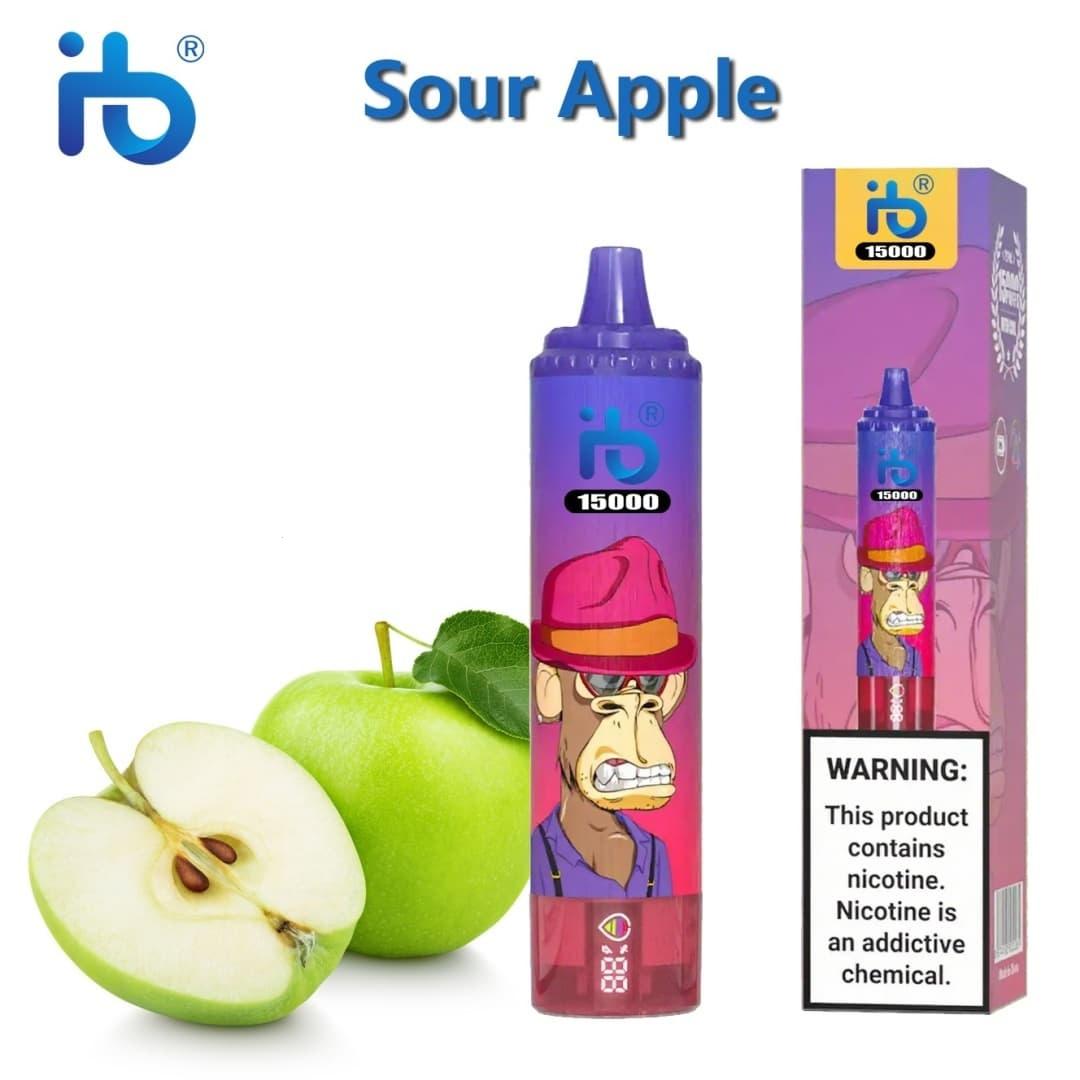
PG (propylene glycol) carries flavor and gives a stronger throat hit, while VG (vegetable glycerin) produces thicker vapor and a sweeter mouthfeel. E-liquid choices are personal: for discrete throat sensations and clearer flavors, choose a higher PG ratio; for big clouds and smoother hits, choose higher VG. Many pod systems prefer 50/50 or nic salt formulations to balance throat hit and coil longevity.
How to test flavors safely
If a Vape Shop allows sampling, start with short puffs and modest nicotine levels. Tasting many flavors in a short time can desensitize your palate and give inaccurate impressions. Ask for recommendations from staff and consider purchasing small bottle sizes when trying new flavors.
Troubleshooting common problems
- Device not firing: Check battery charge, ensure proper assembly, and inspect the coil connection.
- Burnt taste: Replace the coil and ensure it was primed correctly before use.
- Leaking: Verify seals, ensure no overfilling, and check that pods are seated correctly.
- Weak vapor: Check coil resistance, battery power settings, and airflow adjustments.
When to seek professional help
If you notice overheating, unusual smells, or repeated mechanical failures, stop using the device and consult the Vape Shop or manufacturer. Do not attempt to use damaged batteries or cracked tanks.
How to buy smartly at a Vape Shop
Follow these buyer-savvy steps: read recent reviews, ask about return policies, inspect the product packaging for authenticity seals, request manufacturer warranty information, and inquire about coil compatibility and spare parts availability. If purchasing online, check shipping policies for batteries and e-liquids since some carriers impose restrictions.
Budgeting for vaping
Initial purchase: device + starter coils/pods + a small selection of e-liquids. Ongoing expenses: coils/pods, e-liquid refills, occasional replacement batteries or chargers. Budget-minded beginners often save by choosing refillable pod systems and by buying e-liquid in larger bottles once a preferred flavor is identified.
Responsible use and local regulations
Respect age restrictions and public smoking/vaping bans. Policies vary by country and municipality; check local regulations and comply. Many Vape Shop retailers can provide guidance on regional rules and packaging compliance.
Environmental and disposal considerations
Dispose of batteries and e-liquid containers responsibly. Many communities offer battery recycling and hazardous waste drop-off centers. Avoid pouring leftover e-liquid down drains and never discard batteries in general trash when recycling options exist.
Glossary of essential terms
- Atomizer
- The heating component in a vape device.
- Coil
- Resistive wire element which heats the e-liquid.
- Pod
- A cartridge or reservoir used in pod systems.
- PG/VG
- Propylene glycol and vegetable glycerin, base liquids for e-juice.
- Nic salt
- A nicotine formulation that delivers higher nicotine with reduced throat hit.
Final checklist before you buy
Confirm device type, battery performance, coil compatibility, e-liquid options, price vs. ongoing costs, warranty, and the retailer’s reputation. Ask the Vape Shop about return or exchange windows in case the device does not meet expectations.
Remember: an informed choice leads to a more satisfying and safer vaping experience.
Advanced tips for long-term satisfaction
- Rotate flavors to avoid palate fatigue.
- Keep spare coils and a small emergency e-liquid bottle when traveling.
- Track wattage and resistance when experimenting to preserve coil life.
- Regularly update your knowledge — industry standards and device features evolve.
Whether you are asking how does an electronic cigarette work for the first time or you are ready to step up from a basic kit, the right balance of information and practical experience matters. Visit a reputable Vape Shop, ask questions, and prioritize safety and genuine parts to make your journey smooth and rewarding.
FAQ
Is vaping safer than smoking?
Vaping is generally considered less harmful than smoking combustible cigarettes because it avoids burning tobacco and many of the toxic combustion byproducts. However, vaping is not risk-free, and outcomes depend on device quality, e-liquid contents, and user behavior.
How often should I change coils?
Coil lifespan depends on usage and e-liquid type; typical replacement ranges from 1 to 3 weeks for regular users. If flavor degrades or a burnt taste appears, replace the coil immediately.
Can I bring my device on a plane?
Certain batteries and e-liquids have airline restrictions. Generally, carry batteries and devices in carry-on baggage and follow airline policies. Check with your airline in advance.