
A practical beginner’s walkthrough on vaping essentials and ingredient insights
This guide is written for new users who search for clear, evidence-aware explanations about Vape devices and especially the pressing question of what is in electronic cigarettes. If you’re learning the basics, deciding whether to try a vaping product, or just curious about ingredients and how they affect you, this article breaks down the core components, explains risks and trade-offs, and offers practical tips to reduce avoidable harm. The focus here blends technical detail and plain-language guidance so readers can make informed choices.
Overview: What readers will learn in this piece
- Core parts of modern vaping systems and how each part influences the aerosol you inhale.
- Detailed chemistry of e-liquids: base carriers, nicotine, flavorings, acids and additives — summarized with health-relevant points.
- How device settings, coil materials, and user behavior change chemical output.
- Practical advice for beginners on device selection, nicotine strength, safety, and harm-reduction strategies.
Why start with the question “what is in electronic cigarettes”?
Understanding what is in electronic cigarettes helps separate marketing language from chemistry and allows users to compare products and potential risks. An electronic cigarette, often branded in shorthand as a Vape, produces an aerosol by heating a liquid or solid formulation — that aerosol is what users inhale and exhale, and its composition depends on both the liquid and the device. Below we unpack the typical ingredients and how they matter.
Basic device anatomy and why it matters
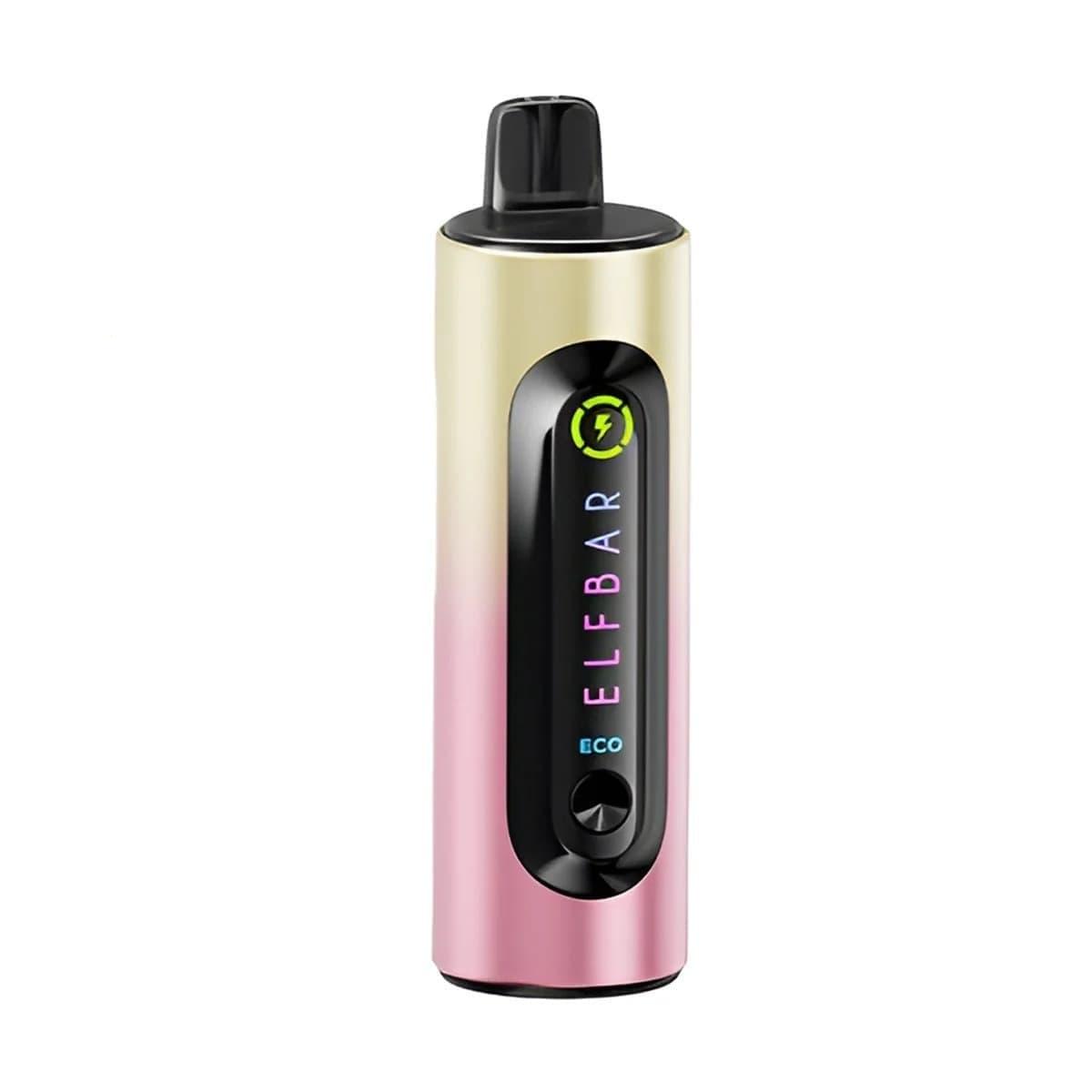
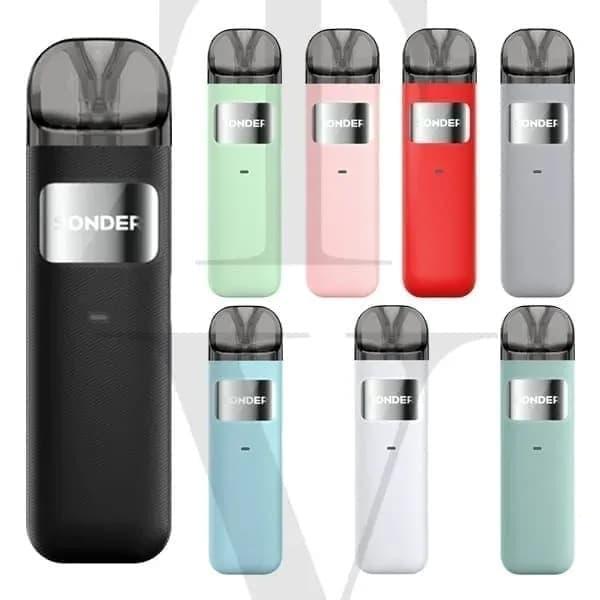
Most modern Vape systems share a few basic parts: a battery/power source, a heating element (coil), a reservoir or pod that holds the e-liquid, and a mouthpiece. The coil material (kanthal, nickel, stainless steel, ceramic) influences how evenly the liquid heats and which trace metals may end up in the aerosol. Wattage and temperature control determine which chemicals form when the liquid vaporizes. Airflow and draw style (mouth-to-lung vs direct-lung) change particle size and deposition in the lungs.
How device variables increase or decrease chemical formation
- High temperature or dry-puff conditions can form more carbonyls (e.g., formaldehyde, acetaldehyde).
- Sub-ohm, high-wattage setups typically produce larger aerosol clouds but may also generate different byproducts than low-power pod systems.
- Coil degradation over time can increase metal release (nickel, chromium, lead traces), so coil maintenance matters.
Core ingredients in e-liquids
When people ask “what is in electronic cigarettes,” they usually mean the composition of e-liquids. E-liquids typically contain four primary categories: carrier solvents, nicotine (optional), flavoring compounds, and minor additives. Each plays a role in user experience and risk profile.
1) Carrier solvents: Propylene glycol (PG) and Vegetable glycerin (VG)
PG and VG are the bulk of most e-liquids. PG is thinner, carries flavor well, and produces a stronger throat hit; VG is thicker, sweeter, and creates denser vapor. Ratios like 50/50, 70/30, or max VG affect viscosity, coil life, and aerosol properties. Although PG and VG are generally recognized as safe for ingestion in many jurisdictions, inhalation exposure is different — heating these compounds can produce thermal decomposition products, including formaldehyde in some conditions. For beginners: choosing a balanced PG/VG ratio helps avoid dry hits and improves overall satisfaction.
2) Nicotine
Nicotine is the addictive alkaloid derived from tobacco plants. E-liquids may contain nicotine at varying strengths (measured in mg/mL) or be nicotine-free. Two major nicotine formats exist in modern vaping products: freebase nicotine and nicotine salts. Nicotine salts (often combined with weak acids like benzoic acid) allow higher nicotine concentrations with a smoother throat sensation; that’s why many pod systems with high-strength nicotine (e.g., 20–50 mg/mL) use salts. Nicotine impacts cardiovascular responses, dependency potential, and adolescent brain development. For adults switching from smoking, matching nicotine delivery can aid in successfully transitioning away from combustible cigarettes, but nicotine dependence remains a concern.
3) Flavorings
Flavor compounds are complex and can include natural extracts and synthetic chemicals. While flavors make products appealing and support perceived harm reduction for former smokers, some flavoring chemicals inhaled at high temperatures (e.g., diacetyl, acetyl propionyl) have been linked to respiratory diseases in occupational exposures. Most reputable manufacturers avoid known risky flavorants, but formulations vary widely between brands and regions. Regulatory bodies in multiple countries now restrict certain flavor categories to reduce youth appeal.
4) Additives, solvents and acids
Manufacturers sometimes add acids (benzoic acid), sweeteners, cooling agents (menthol or synthetic coolants), preservatives, and stabilizers. Benzoic acid is common in nicotine salt liquids: it lowers pH, making high nicotine concentrations smoother. Some additives change the aerosol chemistry when heated, so their presence is important to users concerned about inhalation safety.
Trace contaminants and byproduct formation
Even well-formulated e-liquids can produce trace contaminants through heating, including carbonyls (formaldehyde, acetaldehyde), volatile organic compounds (VOCs), and small amounts of metals originating from coils or wiring. The yield of these byproducts depends on device design, power settings, coil aging, and puff intensity. Contaminants can be minimized with good manufacturing practices, quality control, and conservative device settings.
How ingredients and devices affect health and sensation
Understanding what is in electronic cigarettes helps predict both short-term sensations and potential longer-term risks. Several important pathways matter:
- Nicotine’s physiological effects: increased heart rate, blood pressure changes, and reinforcement of addictive behavior.
- Irritation from PG, VG, and certain flavorings can cause throat or airway irritation for sensitive users.
- Thermal decomposition products at high temperatures can cause cellular damage and respiratory irritation; chronic exposure consequences are still being studied.
- Particle size distribution of aerosol determines where droplets deposit in the respiratory tract, which influences both nicotine absorption and local tissue exposure to other chemicals.
Comparing risk: vaping vs smoking
Public health agencies commonly state that replacing cigarette smoking with regulated, high-quality vaping products is likely less harmful for adult smokers, mainly because combustion produces many toxicants absent in typical e-cigarette aerosol. However, “less harmful” does not mean harmless. Vaping introduces its own exposure profile and is especially risky for youth, pregnant people, and never-smokers because of nicotine effects and unknown long-term inhalation outcomes.
Key takeaways about health trade-offs
- Adults who smoke cigarettes and switch completely to vaping reduce exposure to many combustion-related toxicants.
- Never-smokers should not start vaping due to addiction risk and potential respiratory effects.
- Product quality, proper use, and avoiding high-temperature/dry-puff conditions reduce avoidable exposures.
Practical advice tailored for beginners
Below are practical, actionable points for new users who prioritize safety and want to understand what their choices mean.
Choosing a device
- Start with a reliable, low-power pod system or regulated mod with temperature/wattage control — these reduce accidental overheating.
- Avoid modifying coils or pushing power beyond manufacturer recommendations until you understand coil behavior.
- Use closed pods or refillable tanks from reputable brands to minimize variability and contamination risk.
Selecting e-liquid
- Check ingredient labels: reputable manufacturers list PG/VG ratio, nicotine form (freebase vs salt), and flavoring information.
- Opt for nicotine strength that satisfies cravings without excessive exposure — many former smokers find 3–12 mg/mL appropriate for low-power devices; salt-based pod users often use higher strengths but benefit from the smoother hit.
- Avoid products with unfamiliar chemical names or additives; if in doubt, choose simpler formulations.
Best practices for less harmful use
- Prime coils and observe recommended wattage ranges; dry hitting a coil increases harmful thermal byproducts.
- Change coils and clean tanks periodically to reduce metal and residue buildup.
- Store e-liquids away from heat, light, and children; nicotine is toxic if ingested in concentrated solutions.
Common myths and evidence-based clarifications
- Myth: “Vape is just water vapor.” Reality: aerosol contains droplets of PG/VG, nicotine (when present), flavor chemicals, and trace byproducts — not pure water.
- Myth: “Nicotine-free is risk-free.” Reality: nicotine-free e-liquids still contain carriers and flavorants that can generate irritants when heated.
- Myth: “All flavors are safe.” Reality: safety depends on specific chemicals and inhalation exposure; avoid diacetyl-containing flavors and untested additives.
Special considerations: youth, pregnancy, and dual use
Vaping is strongly discouraged for young people and pregnant individuals due to nicotine’s impact on developing brains and fetal development. Dual use — using cigarettes and vaping concurrently — often reduces the harm reduction potential. Complete transition away from combustible cigarettes is key to reduced exposure.
How to read product labels and safety data
Labels that clearly state PG/VG ratios, nicotine strength and type, batch numbers, manufacturer details, and lab testing links are preferred. If a website or product lacks transparency about ingredients or testing, treat it with caution. Safety Data Sheets (SDS) can list hazards for certain components; they are useful reference documents for curious users.
Environmental and bystander considerations
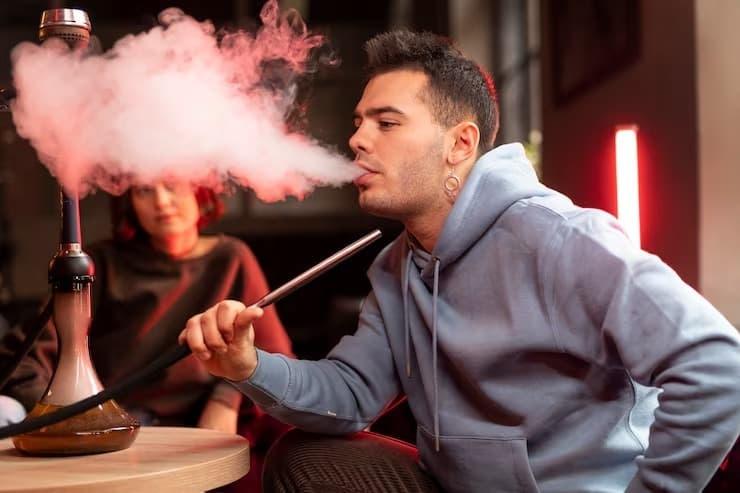
Aerosol exhaled by vapers contains tiny droplets that can settle on surfaces or be inhaled by bystanders. While secondhand exposure is generally less harmful than secondhand smoke, it is not purely harmless; avoid exposing unwilling non-smokers, children, or pets.
Advanced topics: specific chemicals, measurement, and research gaps
Analytical chemistry studies of e-cigarette emissions detect a range of compounds at variable levels. Key categories that receive attention include:
- Carbonyls: formaldehyde, acetaldehyde — formed under certain thermal conditions.
- Volatile organic compounds (VOCs): toluene and others in trace amounts in some studies.
- Metals: traces of nickel, chromium, lead — often linked to coil composition and device wear.
- Flavoring reaction products: complex transformation products when flavor molecules are heated.
Research continues to evolve — long-term epidemiological data are limited compared with decades of smoking studies. Regularly consult public health resources for updated guidance.
Summary checklist for beginners
- Choose a reputable, low-power device to minimize overheating risks.
- Pick an e-liquid with clear labeling and avoid suspicious additives.
- Start with a moderate nicotine strength if you are switching from smoking; avoid nicotine if you are a non-smoker.
- Maintain coils and avoid dry hits; replace hardware with signs of wear.
- Keep products out of reach of children and pets; dispose of batteries and liquids safely.
When you search for Vape information or type queries like what is in electronic cigarettes, prioritize sources that provide ingredient transparency, lab testing, and clear manufacturer information. That approach will better protect your health and improve the predictability of your experience.
What to watch for: red flags in products
- No ingredient list or vague terms like “proprietary blend”.
- Extremely high nicotine concentrations without clear indication of nicotine form.
- Claims that products are “100% safe” — no inhaled product is risk-free.
- Unlabeled or exotic additives advertised without safety data.
Long-term safety research is ongoing; decisions should weigh the relative risks compared to alternative nicotine sources, your current use of combustible cigarettes, and individual health considerations. For smokers, thoughtfully switching to a regulated vaping product can be part of a harm-reduction plan; for non-smokers, abstaining is the safest course.
Closing notes and responsible use
Understanding what is in electronic cigarettes equips you to choose products wisely, reduce unnecessary risk, and ask informed questions of sellers and health professionals. Always prioritize reputable products, realistic nicotine strategies, and device care. If you’re uncertain about how vaping will interact with your health conditions, consult a healthcare professional.
FAQ
- Q: Are all e-liquids the same?
- A: No. E-liquids vary in PG/VG ratio, nicotine strength and type, flavoring chemistry, and additive content. Quality control also varies between manufacturers.
- Q: Can vaping help me quit smoking?
- A: Some adults successfully switch from smoking to vaping and reduce exposure to harmful cigarette smoke constituents. Complete substitution is more protective than dual use, and professional cessation resources can support quitting nicotine entirely.
- Q: How can I reduce my exposure to unwanted chemicals when vaping?
- A: Use reputable products, stay within recommended wattage ranges, avoid dry hits, replace coils regularly, and choose simpler e-liquid formulations with transparent labeling.
If you want to dig deeper into the science behind Vape devices and to continually learn about what is in electronic cigarettes, track updates from public health agencies and peer-reviewed research; the evidence base is growing, and product safety depends heavily on manufacturing quality and user practices.