
IBVape Vape Shop answers: practical guidance on whether e‑cigarettes can help you stop smoking
If you are exploring alternatives to traditional cigarettes and asking will e cigarettes help quit smoking, this in-depth guide from IBVape Vape Shop aims to provide balanced, actionable information. We combine practical quitting tips, device selection guidance, behavioral strategies, and harm‑reduction considerations so you can make an informed choice. The content emphasizes safety, real-world tactics and the kinds of support our team at IBVape Vape Shop can offer to assist a quit attempt.
Understanding the basic question: will e cigarettes help quit smoking?
At its core, the question will e cigarettes help quit smoking revolves around two issues: nicotine delivery and behavioral substitution. E‑cigarettes replicate some of the sensory and ritual aspects of smoking while providing controlled doses of nicotine. For many smokers, switching to vaping reduces exposure to many of the toxic combustion products found in cigarette smoke. However, whether they help someone quit entirely depends on device choice, nicotine strategy, motivation, and support.
Key reasons vaping can support quitting

- Nicotine replacement in familiar form: For smokers who rely on nicotine, e‑cigarettes can deliver nicotine in a manner that mimics hand‑to‑mouth action and inhalation, making withdrawal easier to manage.
- Behavioral substitution: The rituals—holding a device, taking a puff, sensory cues—address habitual components of smoking.
- Customizable dosing: Nicotine levels can be reduced gradually with different e‑liquid strengths or device setups, helping a step‑down quitting plan.
- Less exposure to combustion toxins: While long‑term safety data continues to evolve, vaping eliminates many combustion byproducts present in cigarette smoke.
Why vaping might not work for everyone
- Some users become long‑term vapers instead of quitting nicotine entirely — the goal of harm reduction differs from complete nicotine cessation.
- Dual use (vaping plus smoking) can maintain nicotine addiction and reduce the health benefits expected from quitting.
- Device complexity, improper nicotine selection, or lack of support can cause frustration and failure.
Note: IBVape Vape Shop encourages realistic goals: reduce harm, manage nicotine dependence, and aim for a smoke‑free life. If complete nicotine cessation is your goal, vaping can be a transitional tool when used strategically alongside support.
Evidence summary and practical interpretation
Scientific studies show mixed but promising results: some trials report higher quit rates for smokers who use nicotine‑containing e‑cigarettes compared with those who use nicotine replacement therapy alone, while other research highlights variability tied to product type, counseling, and adherence. Translate those findings into practice: success often depends less on the device and more on the quit plan. At IBVape Vape Shop, we advise pairing a device‑based approach with behavioral support and a clear step‑down schedule.
How to use vaping as a quitting aid: step‑by‑step plan
The following roadmap helps turn the abstract question will e cigarettes help quit smoking into a structured plan you can follow.
1. Commit and set a target
Decide whether your aim is complete nicotine cessation or switching permanently to vaping. Set a quit date for combustible cigarettes; this provides a clear milestone. Many smokers find success when they switch to vaping the day they stop combustible cigarettes.
2. Choose the right device and nicotine format
Device selection matters. Pod systems with nicotine salts deliver nicotine smoothly and are ideal for heavy smokers transitioning off cigarettes. Refillable devices (mods, MTL tanks) allow precise nicotine reduction over time. Discuss these choices with an experienced IBVape Vape Shop staff member to match nicotine strength and device to your smoking history.
3. Match nicotine strength to your needs
Start with a nicotine concentration that controls cravings—commonly 18–50 mg/mL for nicotine salts for heavy smokers, or 6–12 mg/mL in freebase e‑liquid for moderate smokers. Gradually reduce strength over weeks to months as cravings decrease.
4. Build a quit support system
Combine vaping with behavioral strategies: counseling, quitlines, mobile apps, and peer support groups. Medications like bupropion or varenicline can be used under medical guidance if needed. IBVape Vape Shop recommends consulting a healthcare provider for medical options and offers community resources information.
5. Monitor progress and adjust
Keep a quit diary, track cigarette replacements avoided, and reduce nicotine in stages. If cravings persist or cigarette slips occur, reassess device setup, nicotine dose, flavors, and support intensity.
Practical quitting tips from the shop floor
Staff at IBVape Vape Shop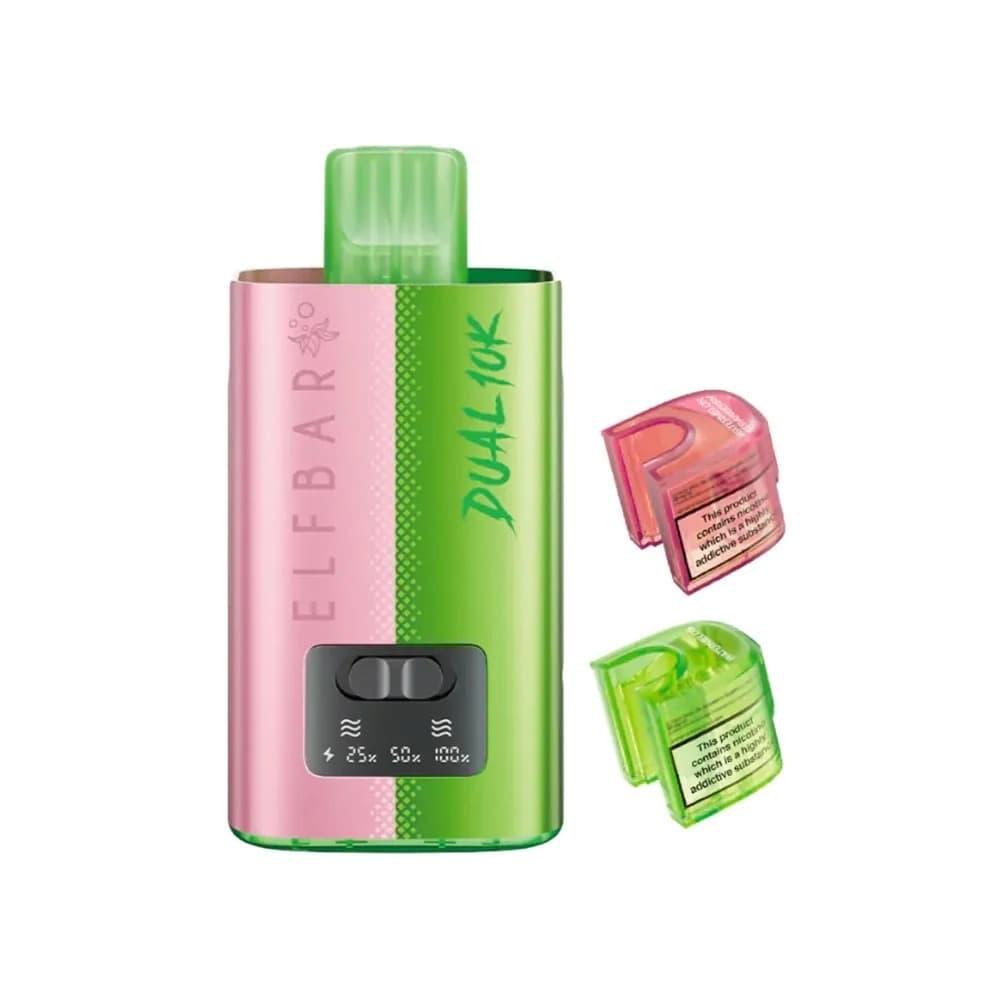 frequently help customers overcome barriers. The most effective practical tips include:
- Start strong: choose a device that provides sufficient nicotine to prevent relapse in the early days.
- Use flavors strategically: pleasant flavors can reduce the urge to return to cigarettes; avoid tobacco flavors if they trigger stronger cravings for cigarettes.
- Replace rituals: carry a pocket device for quick puffs during triggers like coffee breaks or social situations.
- Keep spares: batteries and e‑liquid stock reduce the chance of temporary cigarette relapse when your device is unavailable.
- Plan for high‑risk situations: create a script for dealing with social pressure and have nicotine gum or lozenges ready if needed.
Device and e‑liquid considerations
Choosing between nicotine salts and freebase nicotine, pod systems, or refillable tanks influences satisfaction and success. Nicotine salts often provide faster nicotine delivery and a smoother throat hit at higher concentrations, which is helpful for heavier smokers transitioning away from cigarettes. Refillable systems offer more control for gradual nicotine reduction. IBVape Vape Shop stocks a curated range of devices optimized for quit attempts and can demonstrate proper coil maintenance, wattage settings and e‑liquid handling to prevent device‑related frustration.
Maintenance, safety and quality
Regular coil changes, battery safety, and purchasing from reputable brands minimize device problems. Avoid informal modifications, DIY e‑liquids from unverified sources, and sharing devices. Our store prioritizes tested products and clear safety instructions because consistent, trouble‑free vaping supports quitting.
Common pitfalls and how to avoid them
Recognize typical obstacles: under‑dosing nicotine, inconsistent device use, flavors that trigger smoking, and dual use. Solutions include increasing nicotine temporarily to control cravings, sticking to one reliable device during the quit transition, choosing non‑tobacco flavors, and eliminating cigarettes entirely rather than alternating. If dual use occurs, treat it as a learning point and tighten the plan rather than giving up.
Special populations and safety warnings
Certain groups should avoid vaping entirely or consult a healthcare professional first: pregnant or breastfeeding people, adolescents, and individuals with specific respiratory or cardiovascular conditions. While vaping reduces exposure to many toxins compared to smoking, nicotine itself is not harmless. IBVape Vape Shop stresses that quitting nicotine altogether is the healthiest long‑term outcome, and vaping is primarily a harm‑reduction or transitional tool.
How long to keep vaping if quitting is the goal?
There is no universal timeline. Many people find success by gradually reducing nicotine over 3–12 months, while others may take longer. A stepwise reduction plan—such as decreasing nicotine strength every 4–8 weeks—paired with behavioral support tends to work well. If your goal is cessation, set intermediate milestones and celebrate non‑smoking weeks and months as meaningful progress.
Behavioral strategies that amplify success
- Set daily targets and log cravings and triggers.
- Use distraction techniques during peak withdrawal windows: brisk walks, water, chewing gum.
- Practice replacement rituals that don’t involve nicotine (deep breathing, short exercise bursts).
- Reward smoke‑free milestones to reinforce progress.
Community resources and professional help
Quitting is easier with support. Local stop‑smoking services, national quitlines, counseling, and online communities are valuable. IBVape Vape Shop can point customers to evidence‑based resources and coordinate with healthcare providers when combining vaping with prescription cessation aids.
Myths and misconceptions
Several falsehoods cloud the debate: that vaping is equally harmful as smoking, that flavors target youth deliberately, or that all vaping devices are identical. Reality: vaping generally reduces exposure to harmful combustion products, flavors can help adults switch away from smoking, and device quality and design vary significantly. Responsible retailers like IBVape Vape Shop enforce age checks and provide accurate information to customers.
How a vape shop can support your quit plan
Beyond sales, reputable shops offer counseling on device choice, nicotine matching, troubleshooting and maintenance tips to prevent relapse due to device failure. Staff can coach steady step‑downs in nicotine strength and suggest behavioral aids. When asking will e cigarettes help quit smoking, one of the key determinants is whether you have consistent, competent support — which is exactly the service IBVape Vape Shop aims to provide.
Long‑term view and goals
Some clients transition to long‑term vaping with reduced harm and improved quality of life; others use vaping briefly to eliminate combustible tobacco and then taper off nicotine entirely. Both outcomes are valid, with the latter being the healthiest. The important point: a planned approach increases the likelihood of success.
Practical checklist before you start
- Decide your primary goal (harm reduction vs complete nicotine cessation).
- Choose an appropriate device and nicotine form with expert help.
- Create a quit date and tell supportive friends or family.
- Arrange follow‑up sessions with a counselor or trained retailer staff.
- Prepare for setbacks and have a plan to recover quickly without returning to cigarettes permanently.
Measuring success
Track days without cigarettes, cravings intensity, and health changes like improved breathing or taste. Be realistic: lapses may occur but a return to cigarettes is not inevitable. Reassess device and reinforcement strategies after any lapse and increase support intensity if needed.
Regulatory and ethical considerations
Policies differ by region. Responsible vendors like IBVape Vape Shop comply with local laws, enforce age verification, follow product standards, and avoid marketing that could appeal to non‑smokers or youth. Harm reduction for adult smokers is the ethical focus.
Final recommendations
So, will e cigarettes help quit smoking? They can be an effective tool for many smokers when used correctly: choose the right device and nicotine level, pair vaping with behavioral support, and pursue a clear reduction plan if your goal is nicotine cessation. Visit IBVape Vape Shop for personalized advice, hands‑on demonstrations, and a curated selection of devices and e‑liquids optimized for quitting. Our staff will help you create a step‑by‑step plan tailored to your smoking history, triggers and goals.
Resources and next steps
Contact local stop‑smoking services, consult your healthcare provider about combining methods, and use digital quit tools for tracking. If you visit IBVape Vape Shop, ask for a guided starter package: a reliable device, a nicotine salt e‑liquid matched to your needs, and an appointment to review progress after two weeks.
FAQ about quitting with vaping
- Q: How soon will vaping reduce my cigarette cravings?
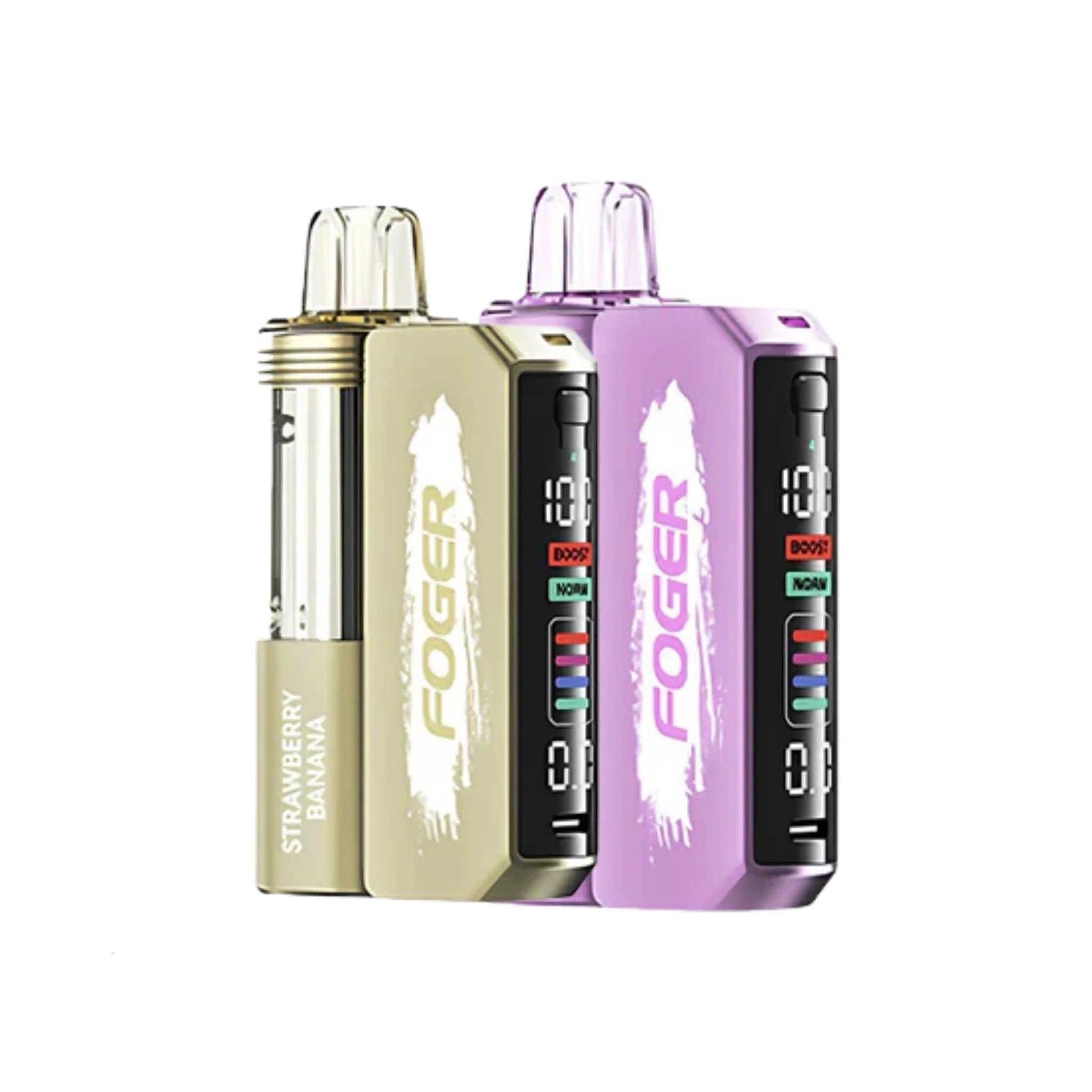
- A: Many people notice reduced cravings within days when nicotine delivery is sufficient. A well‑matched device and nicotine strength are essential for quick relief.
- Q: Can I use vaping with prescription quit medicines?
- A: Consult your doctor. In some cases, combining approaches can increase success, but medical supervision is recommended.
- Q: Is dual use worse than switching completely?
- A: Dual use reduces the health gains compared to complete switching. Aim to eliminate combustible cigarettes rather than alternate between the two.
For tailored advice, ask a knowledgeable member of staff at IBVape Vape Shop and remember that quitting is a journey—use tools, support, and persistence to increase your chance of a smoke‑free future.