
Travel guidance from IBvape specialists: how to plan a trip when you vape
If you are wondering can i fly with an e cigarette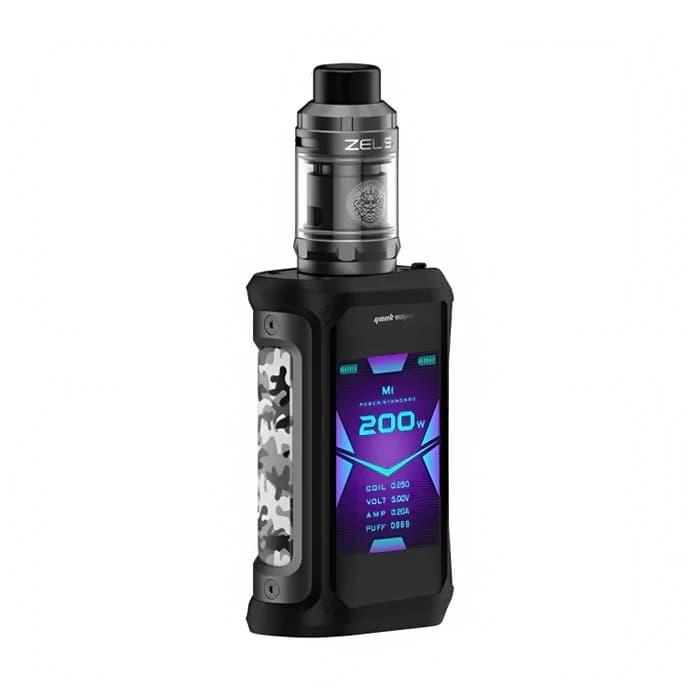 , this comprehensive travel guide created by IBvape experts will walk you through the rules, the best packing practices, safety tips, and the nuances that frequently cause confusion at airports and borders. Whether you use a compact pod device, a mod with spare batteries, or carry nicotine e-liquids, understanding both regulatory and airline-specific guidelines can save you time, avoid confiscation, and keep your journey smoother.
Quick answer for travelers: the essentials
In short, most major airlines and airport security authorities allow passengers to carry e-cigarettes and vaping devices in carry-on baggage but not in checked baggage. The phrase can i fly with an e cigarette is a question asked thousands of times daily; the consistent rule across jurisdictions is: keep devices and spare lithium batteries in the cabin, comply with liquid carry-on limits for e-liquids, and follow each airline’s policy for device usage and storage during the flight. IBvape recommends packing thoughtfully and preparing documentation if you carry medical nicotine products.
Why the carry-on rule exists
Most e-cigarettes use lithium-ion batteries, which pose a fire risk if damaged, short-circuited, or overheated. Transport regulations aim to reduce the potential for thermal events in the cargo hold, where fires are harder to detect and control. Airport security and airlines thus prefer that devices remain with passengers in the cabin for immediate action if needed. This is standard across ICAO/IATA recommendations and enforced by national aviation authorities, including the FAA and EASA.
Detailed checklist before you fly
- Device storage: Place your e-cigarette in your carry-on bag, ideally switched off and with any tank drained or protected.
- Spare batteries: Keep spare lithium batteries in your carry-on, protected against short circuits (battery cases, original packaging, or insulating caps are recommended).
- Battery limits: Most airlines allow batteries under 100 Wh without approval; between 100 Wh and 160 Wh requires airline approval and is usually limited to two spares.
- E-liquids: Liquid nicotine is subject to the usual 100 ml/3.4 oz TSA-style liquid limits for carry-on; larger quantities should be shipped or checked according to local rules, but avoid checking devices with batteries installed.
- Packaging tips: Use a sturdy travel case, a sealable small bottle for e-liquid with clear labeling, and store coils and accessories in a single accessible pouch.
Understanding battery ratings: mAh vs Wh
Many travelers are confused by battery ratings. Capacity is often given in milliampere-hours (mAh), while airlines and regulatory agencies reference watt-hours (Wh) to assess hazards. To convert mAh to Wh, use the formula: Wh = (mAh × Voltage) ÷ 1000. Typical vape batteries (3.7V cells) will often fall under the 100 Wh threshold, but mods with multiple cells may exceed it. When in doubt, consult your device’s specifications or the manufacturer (for instance, IBvape product pages) for the exact Wh rating.
Rules by authority: TSA, EASA, IATA and more
The global guidance from IATA recommends carry-on for e-cigarettes and spare batteries. The U.S. Transportation Security Administration (TSA) explicitly permits e-cigarettes in carry-on baggage and prohibits them in checked luggage. European regulators (EASA) and many national authorities mirror this approach, but enforcement and additional airline-specific restrictions vary. Before you travel, check both the departure and arrival country rules, because some countries prohibit vaping products entirely or have strict import limits.
Country-specific restrictions and customs
Certain countries ban e-cigarettes or nicotine-containing products outright, and travelers have been fined or had devices confiscated for attempting to enter with vaping equipment or e-liquids. Popular destinations with restrictions include parts of Southeast Asia, the Middle East, and specific Caribbean islands. IBvape advises always checking the latest customs and import rules of your destination country and any countries where you have a transit stop. Even if an airline allows carriage, local law can supersede and lead to penalties upon arrival.
Airline policies: some examples and where to check
Each airline publishes a hazardous materials or special items policy on its website. Common restrictions include limits on the number of spare batteries, prohibitions on e-cigarette use on board, and rules about how devices must be stored during the flight (e.g., powered off or in a protective case). Popular carriers like Delta, American Airlines, British Airways, Emirates, and Singapore Airlines have detailed fragile/battery sections. Always search the carrier’s “baggage allowed items” or “dangerous goods” page and include a quick query like can i fly with an e cigarette in the airline’s site search or your search engine to find the most relevant policy quickly.
Transit and connecting flights: extra caution
When traveling with connections, your route may include airports in jurisdictions with different rules. Even if the first airline permits e-cigarettes, a connecting carrier or a transit country’s customs might restrict them. If you are transiting in a country that bans vaping, you could face confiscation during the transit process. IBvape suggests planning routes that avoid strict jurisdictions or carrying only what is explicitly permitted to minimize risk.
Packing best practices recommended by IBvape experts
- Switch off your device and lock it if it has a child lock or safety mode to prevent accidental activation.
- Empty tanks or cartridges if you want to reduce the risk of leakage and comply with liquid limits; secure any e-liquid containers in a clear, resealable plastic bag for security screening.
- Pack spare batteries in a dedicated battery case or individually bubble-wrapped to prevent contact with metal objects such as keys or coins.
- Keep e-cigarette devices and accessories in your carry-on and close to you inside the cabin.
- Bring documentation if you carry nicotine replacement therapy products (letters from a doctor or prescription) to help with customs or security questions.
At security screening
Remove your device from your bag if requested, and place e-liquids and battery cases in separate trays. Expect additional scrutiny if you travel with larger mods or boxes. Explain the device functions politely to security officers if they ask; keeping clear and cooperative communication can speed things up.
Practical safety and etiquette while traveling
Even where e-cigarettes are allowed to be carried, using them aboard an aircraft is almost always prohibited by law and airline policy. Respect the no-smoking and no-vaping signs, and never attempt to use a device in lavatories, as that is a serious offense that can lead to fines or arrest. IBvape reminds users that vaping in unauthorized areas can have legal consequences and risk your safety and that of other passengers.
What to do if your device is confiscated
If a device or e-liquids are confiscated by security or customs, request documentation or a receipt. Recovering items after confiscation is often difficult, so avoid carrying prohibited products. If you believe a seizure was in error, contact the relevant airport authority promptly and be ready to provide purchase receipts or product information from IBvape or other retailers.
Special cases: medical nicotine and large quantities
Travelers who use nicotine for medical reasons and require significant supplies should prepare a medical letter or prescription. Some countries allow reasonable quantities for personal use but restrict commercial imports. IBvape recommends contacting the destination country’s embassy or consulate for clarification when carrying e-liquids above typical carry-on limits.
Shipping devices and liquids

If you must relocate a large collection of devices, batteries, or e-liquids, consider shipping them through a carrier that permits hazardous materials with the correct packaging, labeling, and declarations. Shipping rules vary widely and can be complex; professional freight services can assist with compliance and reduce the risk of confiscation or fines.
Common mistakes travelers make
- Placing e-cigarettes in checked baggage, which can result in confiscation or safety hazards.
- Not protecting spare batteries from short circuit by leaving them loose in bags.
- Assuming all countries have the same rules—some destinations treat vaping products as illegal.
- Using devices in airports or on flights despite clear prohibitions.
How IBvape helps travelers
IBvape provides clear product specifications, battery ratings, packaging tips, and up-to-date guidance for customers planning to travel. Our product pages often display Wh ratings and recommended travel storage. If you plan to travel internationally with a purchase from IBvape, contact customer support for documentation that may facilitate airport screening and customs clearance.
Step-by-step pre-flight workflow
- Check the airline’s official hazardous goods and carry-on rules.
- Check destination and transit country laws for import or possession of vaping devices and nicotine.
- Confirm device Wh and battery specifications; pack spare batteries in insulating cases.
- Drain or secure e-liquids and place them in compliant containers for carry-on screening.
- Keep devices and spare batteries in carry-on, and carry documentation if you have questions or medical reasons for supplies.
Useful links and how to search
For reliable answers, search official resources like the TSA website, IATA dangerous goods regulations, and individual airline policies. A targeted search query including the keywords IBvape and “can i fly with an e cigarette” will surface product-specific travel advice, manufacturer specifications, and policy pages that directly reference vaping items and battery guidelines.
Real-life scenarios and solutions
Scenario 1: Short-haul domestic flight with one spare battery and a small pod device — pack the spare battery in a plastic case, put device in a separate pouch inside your carry-on, and keep e-liquid under 100 ml in a resealable plastic bag. Scenario 2: International business trip with an advanced mod and multiple spare batteries — check Wh ratings, get airline approval if necessary, and be prepared for additional screening or to remove high-capacity batteries from checked baggage. Scenario 3: Transit through a country that bans vaping — avoid carrying devices through transit or limit to battery-free components to prevent confiscation.
Additional safety tips
- Use original chargers and avoid charging devices unattended in hotel rooms.
- Never leave devices in hot cars or direct sunlight for prolonged periods.
- Inspect batteries regularly for damage and retire any that show dents, swelling, or corrosion.
Conclusion: travel confidently with the right preparation
Answering the question can i fly with an e cigarette depends on several factors, but with the basic principle of carrying devices and batteries in the cabin, complying with liquid restrictions, and checking airline and country-specific rules, most travelers can transport their vaping gear without issue. IBvape experts emphasize preparation, safe battery handling, and respect for local laws to ensure a trouble-free journey.
FAQ — common travel questions answered
Q: Can I put my e-cigarette in checked luggage?
A: No. Most aviation authorities prohibit e-cigarettes in checked baggage because of battery fire risk. Always carry devices in the cabin.
Q: How many spare batteries can I take?
A: Policies vary. Batteries under 100 Wh are generally allowed in reasonable quantities in carry-on; between 100 Wh and 160 Wh typically require airline approval and may be limited to two spares. Always check the airline’s specification page.
Q: Are e-liquids treated like other liquids?
A: Yes. E-liquids follow standard liquid carry-on rules (generally containers of 100 ml/3.4 oz or less inside a clear resealable bag), but customs rules for nicotine vary by country.
Q: What if my destination bans vaping?
A: If your destination bans vaping or nicotine products, do not carry them. Confiscation, fines, or other penalties can result. Contact the embassy or consulate for up-to-date guidance.