
IBvape guide to common compounds in vaping liquids and aerosols
Overview: why paying attention to ingredients matters
If you use an IBvape device or are researching alternatives, it’s important to understand the chemistry behind the vapor you inhale. Consumers increasingly ask what chemicals are found in e cigarettes and why those constituents matter for short‑ and long‑term health. This article focuses on the most commonly detected compounds, the sources and processes that create them, and practical steps IBvape users can take to minimize risks without sacrificing the device performance they value.
What’s in a typical e‑liquid?
At its simplest, a commercial e‑liquid contains four main categories of components: nicotine (optional), solvents, flavorings, and minor additives. The two primary solvents are propylene glycol (PG) and vegetable glycerin (VG). These humectants carry flavor and nicotine and produce the visible aerosol when heated. Nicotine, when present, may be freebase or formulated as nicotine salts. Flavoring compounds are a broad category encompassing many chemicals typically used in food and fragrance industries. Minor additives may include water, acids or bases to adjust pH, preservatives, and sometimes sweeteners.
Key base ingredients
- Propylene glycol (PG): a clear, odorless liquid used to deliver flavor and throat hit. PG is generally recognized as safe (GRAS) for ingestion but its effects when inhaled repeatedly at elevated temperatures are less well characterized.
- Vegetable glycerin (VG): thicker and sweeter than PG, VG produces denser visible aerosol and contributes to a smoother inhale.
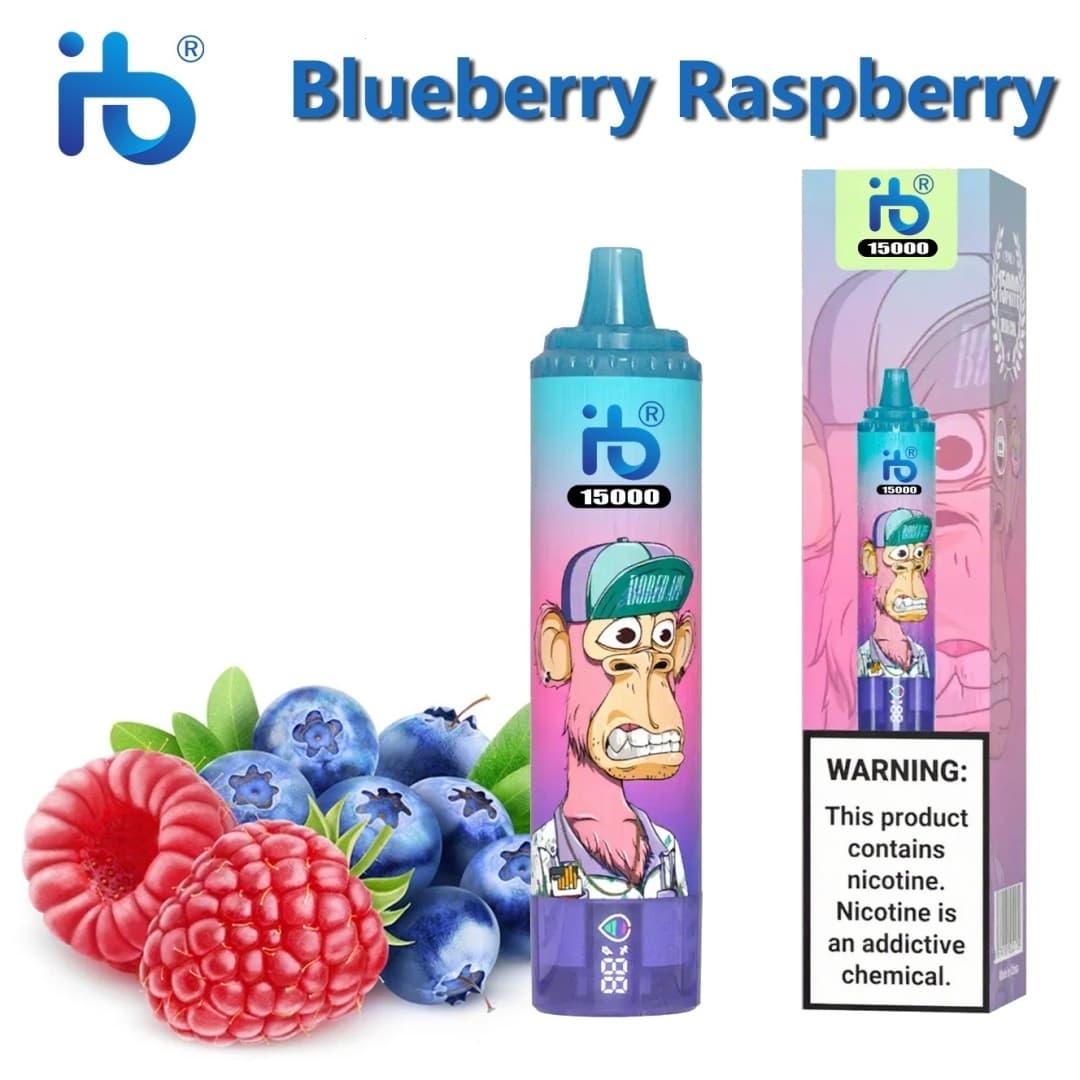
- Nicotine: a naturally occurring alkaloid in tobacco. Concentration varies widely; IBvape users should confirm mg/mL on packaging. Nicotine is addictive and has cardiovascular and developmental effects.
- Flavoring agents: a wide class that can include diacetyl, acetyl propionyl, benzaldehyde, vanillin, cinnamaldehyde and many others — some benign for ingestion but potentially harmful when heated and inhaled.
What chemicals are found in e cigarettes beyond the listed ingredients?
When a coil heats e‑liquid, thermal decomposition and chemical reactions create new compounds in the aerosol that are not on the bottle label. Studies of e‑cigarette aerosol identify carbonyl compounds (formaldehyde, acetaldehyde, acrolein), volatile organic compounds (VOC) such as benzene, short‑chain aldehydes and ketones, oxidized glycerol derivatives like glycidol, tobacco‑specific nitrosamines (TSNAs) in some nicotine solutions, and trace metals (lead, nickel, chromium, tin, copper) leached from the device’s metal components. The concentration of these byproducts depends on device power, coil temperature, e‑liquid composition, puff duration, and users’ vaping patterns.
Carbonyls and thermal breakdown products
Carbonyls form when PG and VG thermally decompose. Formaldehyde and acetaldehyde are of concern because both are classified as carcinogenic or potentially carcinogenic in certain exposure contexts. Acrolein, another decomposition product, is a potent respiratory irritant linked to acute lung injury. The amounts detected vary widely across studies; ‘dry puff’ conditions (when the wick is insufficiently saturated) produce higher levels. IBvape users can minimize formation by avoiding excessively high wattage settings and ensuring proper wick saturation before vaping.
Flavoring‑related hazards
Certain flavor chemicals used to mimic butter or cream — notably diacetyl and acetyl propionyl — have been associated with bronchiolitis obliterans (“popcorn lung”) in workplace exposure scenarios. While many manufacturers reduced or eliminated diacetyl from e‑liquids, lab testing still occasionally finds it or related compounds, and other flavorants (cinnamaldehyde, vanillin, benzaldehyde) can be cytotoxic to airway cells in vitro. The long‑term inhalation risk of many flavor compounds is unknown because regulatory testing focuses on ingestion safety, not inhalation.
Trace metals and device materials
The metallic parts of atomizers — coil wires (kanthal, nichrome, stainless steel), solder, wicking materials, and metal housings — can release trace amounts of metals into aerosol. Elements like chromium, nickel, lead, and copper have been detected at varying concentrations. While individual puff exposures are small, cumulative exposure could be meaningful for heavy users. Selecting well‑manufactured IBvape-compatible coils, avoiding damaged atomizers, and following manufacturer replacement schedules reduces the likelihood of elevated metal release.
Other contaminants: PAHs, benzene, TSNAs
Polycyclic aromatic hydrocarbons (PAHs) such as benzo[a]pyrene are produced mainly by combustion; because e‑cigarettes do not combust plant material, PAH levels are typically much lower than in cigarette smoke but not always absent. Benzene — linked to leukemia — can be generated from solvent decomposition under certain conditions and has been measured in some aerosols at trace levels. Tobacco‑specific nitrosamines (TSNAs) are carcinogenic impurities derived from nicotine extraction from tobacco; their levels depend on the nicotine source and purification methods. Choosing pharmaceutical‑grade nicotine from reputable vendors reduces TSNA exposure.
What determines the chemical profile of your vapor?
- Device power and coil temperature: higher wattage increases thermal decomposition risk.
- Wicking and coil condition: dry hits, overloaded wicks, or charred cotton produce off‑flavors and more byproducts.
- E‑liquid formulation: PG/VG ratio, flavor concentration, sweeteners such as sucralose, and nicotine form affect decomposition pathways.
- User behavior: long, frequent puffs and chain vaping increase total dose and may change aerosol chemistry due to kiln‑like heating.
Health considerations and vulnerable groups
Short‑term effects often reported include throat irritation, coughing, headache, dizziness and nausea; these symptoms may reflect PG/VG irritation, nicotine overdose, or volatile compounds. Longer‑term outcomes like lung disease, cardiovascular events, carcinogenesis, and impacts on adolescent brain development remain active research areas. Vulnerable groups include pregnant people, adolescents and young adults, people with pre‑existing respiratory or cardiovascular disease, and non‑smokers who may initiate nicotine use. Because many flavor chemicals and thermal byproducts lack inhalation safety data, the precautionary principle supports minimizing unnecessary exposures.
IBvape users: practical risk‑reduction strategies
Here are actionable steps IBvape users can take to lower potential chemical exposures without compromising usability:
- Choose quality e‑liquids
 : prefer products with transparent ingredient lists, third‑party lab certificates showing nicotine concentration and screening for contaminants, and reputable manufacturing practices.
 - Moderate device settings: operate coils within the recommended wattage range to avoid overheating; when experimenting, increase power gradually and watch for harsh or burnt flavors.
- Maintain hardware: replace coils and wicks at manufacturer‑recommended intervals, avoid improvised repairs, and use certified tanks and atomizers compatible with IBvape batteries.
- Avoid unknown flavor high‑risk additives: stearates, many sweeteners when burned, and freshly marketed exotic compounds may lack inhalation safety data.
- Reduce frequency and intensity: shorter puffs and longer pauses between draws reduce thermal buildup and cumulative dose.
How to read labels and lab reports
When evaluating product transparency, look for a Certificate of Analysis (CoA) from an independent lab that lists: nicotine purity, residual solvents, TSNAs, metals analysis, and screening for compounds such as diacetyl and acetyl propionyl. Beware of vague claims like “natural” or “pharmaceutical grade” unbacked by documentation. If a merchant does not provide a CoA on request, prioritize alternatives that do.
Regulation, testing, and ongoing research
Regulatory frameworks differ by country and continue to evolve. Agencies are increasingly requiring product registration, ingredient disclosure, and emissions testing. Research priorities include long‑term epidemiological studies of exclusive e‑cigarette users, mechanistic toxicology of flavor chemicals, and real‑world emissions testing across a range of device types and user behaviors. IBvape and other brands will benefit from adopting voluntary testing standards that exceed minimal compliance, improving consumer trust and product safety.
Myths and clarifications
- Myth: Vaping produces only harmless water vapor. Reality: Aerosol contains fine particulate matter and chemical constituents derived from solvents, flavors, nicotine, and device materials.
- Myth: All flavors are safe because they are used in food. Reality: Ingestion safety does not guarantee inhalation safety; thermal chemistry can produce new, harmful compounds.
- Myth: Nicotine is the main carcinogen in vaping. Reality: Nicotine is addictive and has cardiovascular and developmental effects, but many carcinogens are associated with combustion; however, thermal decomposition products and impurities (e.g., formaldehyde, TSNAs) are relevant carcinogenic hazards.
Simple checklist for safer use
Before you vape: check CoA availability, confirm recommended wattage range on coil packaging, inspect wicks and coils for discoloration, ensure tank seals are intact, and avoid modifying hardware in ways that increase coil resistance or surface temperature. During use: prioritize shorter puffs, allow time for wicks to resaturate, and stop vaping immediately if you experience a burnt taste or throat pain. After use: store e‑liquids and devices away from heat and sunlight, and dispose of batteries and used coils according to local regulations.
FAQs for curious IBvape users
Are there safe power settings for every coil?
Manufacturers provide recommended wattage ranges; staying within those ranges minimizes extreme thermal decomposition. Coil types (nichrome, kanthal, stainless) and resistance dictate safe operating windows. Familiarize yourself with the recommended range printed on the coil or packaging.
Can switching to nicotine‑free e‑liquids eliminate risks?
Removing nicotine reduces addiction risk but does not eliminate exposure to thermal decomposition products, flavoring chemicals, or metals. Nicotine‑free users still should choose clean formulations and avoid high‑temperature vaping.
Do pod systems produce fewer harmful byproducts?
Pod systems typically use lower power and smaller coils, which can reduce some thermal byproducts, but results depend on device design, e‑liquid formulation, and user behavior. Pods may still generate hazardous compounds if misused or operated dry.
Final considerations for conscientious users
Understanding IBvape chemistry and the question what chemicals are found in e cigarettes empowers users to make informed choices. While e‑cigarettes may present fewer of certain combustion‑related hazards than traditional cigarettes, they are not risk‑free. Prioritizing product transparency, sensible device operation, and moderation reduces unnecessary exposure. Stay updated on independent testing, heed regulatory guidance, and when in doubt consult healthcare professionals about nicotine dependence and cessation options.
If you want more detailed support tailored to a particular IBvape model or e‑liquid, request the specific coil specs, CoA links and we will walk through a device‑specific risk assessment.