
Smart guidance for safer vaping habits and device stewardship
Vaping-savvy readers often search for balanced, evidence-aware guidance about devices, liquids, user routines and how brands like IBVape can be part of a safer approach. This long-form resource focuses on practical, research-informed ideas to protect electronic cigarette health while helping experienced and new users reduce avoidable risks, preserve device longevity, and make choices that align with harm-reduction goals. The content below is organized so you can quickly jump to sections on product selection, maintenance, liquid chemistry, battery protocols, hygiene, troubleshooting, behavior modification, regulatory awareness, and links to further study. Each section includes checks you can start applying today and explanations of why those steps matter for both user safety and community responsibility.
Why balanced information matters for device users
Not all vaping narratives are equal; some focus only on marketing, others on sensational headlines. A pragmatic view considers the engineered product, user behavior, and the environment in which the device is used. Brands and product lines such as IBVape appear in conversations about design, flavor options, and performance—yet the core of protecting electronic cigarette health lies in how devices are handled and maintained. Good information reduces the chance of common issues like coil mis-wicking, battery stress, and unintended overheating. This page accelerates learning while avoiding technical jargon overload.
High-level safety principles
- Maintain device integrity: Regular cleaning and timely replacement of consumable parts reduce bacterial growth, burnt tastes, and overheating.
- Respect battery chemistry: Always use the recommended chargers and avoid mechanical damage to 18650 or pouch cells to prevent thermal runaway.
- Choose quality liquids: Prefer manufacturers that disclose ingredients and follow manufacturing standards to reduce contaminants.
- Minimize high-temperature exposure: Lower-power settings and proper coil priming protect flavor quality and limit thermal decomposition products.
Practical device maintenance checklist
Weekly checks can prevent many issues. Follow this checklist: inspect external device surfaces for cracks, ensure 510 threads are clean, replace damaged o-rings, verify airflow holes are unobstructed, and change coils or pods according to manufacturer guidelines. For pod systems, avoid leaving e-liquid to sit for long periods that promote leakage or coil saturation changes. For rebuildable atomizers, rewick routinely and test for hot spots with low power before full use. Keeping a small toolkit and spare parts helps users address minor problems immediately, preventing escalation.
Liquid selection, storage, and handling
Choosing the right e-liquid influences both satisfaction and electronic cigarette health. Key considerations include: the source of ingredients, the ratio of propylene glycol (PG) to vegetable glycerin (VG), nicotine formulation (freebase versus salts), and flavoring concentration. Look for transparent labeling and batch traceability. Store e-liquids in cool, dark places and keep caps tightly closed to prevent oxidation and contamination. Avoid homemade mixes unless you are trained in safe nicotine handling; nicotine is a potent compound and requires proper measurement and PPE during preparation. When comparing brands, users often mention IBVape in forums for its flavor profiles—if you try a new brand, perform a small test sample to ensure tolerability and to spot any immediate adverse reactions.
Coil and wick best practices
Burnt coils produce off-flavors and may increase exposure to thermal byproducts. To reduce that risk: prime new coils with a few drops of e-liquid before first use, allow saturated cotton to settle, start at a lower wattage and gradually increase to the recommended range, and avoid chain-vaping which dries out wicks between draws. For rebuildables, use the right gauge wire and coil configuration for your intended power level and ensure wicking material fills but does not choke the coil interior. Replace coils at the first sign of persistent unpleasant taste or reduced vapor production.
Battery and charging safety
Battery misuse remains one of the few causes of severe device incidents. To protect yourself: always use the manufacturer’s recommended charger or a high-quality equivalent, avoid carrying loose cells in pockets with metal objects, discard damaged batteries safely, and never exceed the battery’s continuous discharge rating (CDR). For regulated mods, firmware and protection circuits add safety layers, but they do not replace correct battery care. If you use external chargers, choose models with individual cell bays and overcharge protection. Never attempt to repair swollen cells; replace them immediately.
Hygiene — preventing microbial and allergen exposure
Shared devices can transmit microbes and allergens. Simple hygiene steps include: clean mouthpieces between users, avoid sharing devices if anyone is ill, and sanitize external surfaces regularly using manufacturer-approved wipes or isopropyl-based cleaners. Replace disposable mouthpieces and pods periodically. For users with respiratory sensitivities, selecting unflavored or low-flavor formulations can reduce exposure to certain flavoring chemicals that may be irritating.
Behavioral tips to support health-focused vaping
Device management is only one element; behavior shapes exposure. Gradual reduction of nicotine strength, avoiding power settings that cause harsh aerosol, spacing puffs to allow airway recovery, and switching to lower-temperature modes can all support reduced physiological stress. Track usage patterns using a notebook or apps to identify triggers and opportunities to cut down. Smoking replacement strategies that combine counseling with controlled nicotine steps have better outcomes than device switching alone.
When something feels wrong: troubleshooting common problems
Burnt taste or weak vapor often signals coil age, wicking issues, or contaminated e-liquid. Leaks can result from worn seals, overfilling, or thermal expansion of e-liquid pockets. Device shutting off unexpectedly may be due to a short, dirty 510 connection, or depleted firmware on more advanced devices. Standard troubleshooting steps: clean connections, swap in a fresh coil or pod, test with another known good battery or charger, and consult the manufacturer’s support channels. Document serial numbers and purchase receipts—warranty claims are easier to process with clear records.
Data-informed choices and quality signals
Quality manufacturers disclose testing methods, ingredient sources, and safety policies. Look for third-party laboratory results for nicotine content and for the absence of contaminants. Traceable batch numbers, clear ingredient lists, and transparent customer support reflect stronger quality culture. Some responsible brands offer guidance on how to optimize device life while minimizing adverse emissions; these materials are useful to users trying to protect electronic cigarette health.
Community standards and etiquette
The social aspect of vaping influences behavior. Respect non-users by avoiding indoor use, following local policies, and preferring discreet devices in shared spaces. If you discuss devices or brands such as IBVape in public forums, cite credible data and avoid anecdote-only claims about safety. Peer-to-peer knowledge sharing is valuable, but cross-check technical recommendations before acting—battery and electrical advice deserves special caution.
Regulation, research, and staying up to date
Regulatory frameworks and scientific findings evolve. Stay informed through reputable public health sources, peer-reviewed journals, and manufacturer updates. New studies may change best practices about materials, flavorings, or aerosol chemistry, so be prepared to adjust device routines in response to credible evidence. Subscribe to official product recall notices and firmware alerts for regulated mods. An informed consumer is more capable of protecting their own electronic cigarette health and encourages industry accountability.
Design features that reduce risk
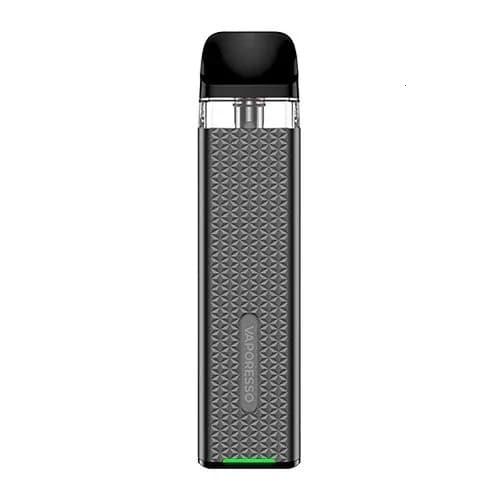
Consider devices with built-in safety features: over-temperature protection, short-circuit detection, and regulated power curves that limit extreme conditions. Pod systems often have sealed pathways that reduce leakage, while larger regulated mods permit precise power and temperature control. Choose devices with intuitive maintenance access to reduce user error. Brands that publish maintenance guides and quick-start safety notes improve the odds of correct use.
Transition planning and cessation support
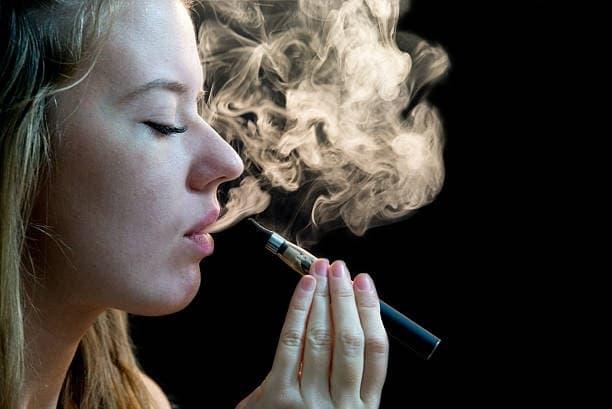
For many, vaping is a tool for reducing or eliminating combustible tobacco use. If your goal is cessation, integrate device use into a plan: set timelines for nicotine tapering, track triggers, and combine behavioral support with product adjustments. Health professionals can advise on personalized strategies. While some users continue to use vaping long-term, those focused on ending nicotine dependence should plan reductions in strength and frequency backed by behavioral strategies.
Practical buying guide
When choosing a new device or e-liquid: verify seller reputation, review return and warranty policies, check for batch testing data, and evaluate community feedback on reliability and flavor consistency. If you prioritize minimizing potential harms later on, select components that are replaceable and serviceable so you are not forced into disposable options that may leak or degrade unpredictably. Many users report positive experiences with thoughtfully engineered options and emphasize that maintenance and conservative settings improve outcomes for electronic cigarette health.
Monitoring symptoms and seeking care
If you experience persistent throat irritation, chest discomfort, shortness of breath, or acute allergic responses after vaping, stop use and consult a healthcare professional. Document product names, nicotine levels, and any recent changes in liquids or device settings to help clinicians identify potential causes. Keep emergency contacts and battery disposal information accessible to reduce harm in rare adverse events.
Wrapping up: a summary of prioritized actions
- Inspect and clean devices regularly.
- Use authentic batteries and certified chargers only.
- Choose transparent, laboratory-tested e-liquids.
- Practice good hygiene with mouthpieces and shared devices.
- Tune power and usage patterns to avoid overheating.
- Document and respond to symptoms promptly.
These core steps support resilience and encourage a culture of informed, cautious use. Brands like IBVape can be part of an overall strategy that emphasizes product quality and user education—but the most important determinant of safer outcomes is how devices are used, maintained, and stored.
Further reading and resources
Look for material from national health authorities, peer-reviewed aerosol chemistry studies, battery safety guides from standards organizations, and manufacturer maintenance manuals. Keep a small folder—digital or physical—with product receipts, serial numbers, and lab reports to simplify warranty requests and safety inquiries. Engage in local advocacy for clear public policies that balance adult harm reduction with youth protection.
Community tips from experienced users
- Rotate coils in multi-person households to reduce cross-contamination.
- Label e-liquid bottles with opening dates to track freshness.
- Use carrying cases with individual compartments to keep batteries and metal items separated.
- Keep a basic first-aid kit and know local battery disposal locations.
IBVape mentions in conversation often reflect interest in flavor and device ergonomics; regardless of brand, the same safety and maintenance fundamentals apply and protect electronic cigarette health.
FAQ
Q: How often should I replace coils or pods to protect my health?
A: Replace coils or disposable pods when you notice a persistent burnt taste, decreased vapor production, or after the manufacturer-recommended number of puffs or days. For many users this can be every 1–3 weeks depending on frequency of use and e-liquid viscosity.
Q: Are there specific e-liquid ingredients to avoid?
A: Prefer liquids from suppliers who disclose ingredients and batch testing. Be cautious with products containing diacetyl, acetyl propionyl, or poorly characterized flavor concentrates. Lower flavor concentrations and known vendor transparency reduce uncertainty.
Q: What should I do if my battery gets hot during use?
A: Stop using the device immediately, remove the battery if safe to do so, allow it to cool in a fire-resistant area, and inspect for damage. Do not charge or reuse a battery that has been stressed or deformed. Seek professional disposal guidance.
By applying the layered strategies in this guide—product quality checks, routine maintenance, conservative usage patterns, and behavioral supports—you can significantly reduce avoidable harms while maintaining satisfaction from vaping devices. Stay curious, stay cautious, and prioritize credible lab data and manufacturer guidance as you make choices about brands like IBVape and your ongoing electronic cigarette health.