
Practical Strategies for IBvape Users to Quit E-Cigarettes for Good
If you’re trying to stop using IBvape devices or to quit e-cigarettes in general, this guide offers a thorough, realistic roadmap that balances behavioral techniques, medical considerations, and lifestyle adjustments. The goal is not only to remove the habit but to build a sustainable nicotine-free life. We’ll walk through preparation, coping tools, relapse prevention, and community support — all tailored for people who have used IBvape or similar products.
Why quitting IBvape or other e-cigarettes matters
Switching away from nicotine delivery systems such as IBvape can reduce long-term respiratory strain, lower cardiovascular risk factors associated with nicotine, improve sleep quality and taste, and eliminate the financial and social burdens of ongoing vaping. Even though e-cigarettes are often marketed as a safer alternative to combustible cigarettes, dependence on nicotine and inhalation of aerosols still carry health and behavioral consequences.
Assessing your dependence
Before you build a quit plan, understand your level of dependence. Track how many puffs or refills you use in a typical day, how soon after waking you take your first puff, and the situations that trigger vaping. This baseline helps calibrate nicotine replacement needs and behavioral supports. Use simple quantified logs or a smartphone note to gather 7–14 days of data.
Self-evaluation checklist
- Time to first vape after waking: immediate / within 30 minutes / after 60 minutes.
- Average daily puffs or cartridges used.
- Primary triggers: stress, social settings, boredom, concentration aid.
- Past quit attempts and what made them succeed or fail.
Designing a realistic quit plan
Successful cessation often requires combining multiple approaches rather than relying solely on willpower. A tailored quit plan helps. Key components include setting a quit date, choosing pharmacological or nicotine replacement strategies if appropriate, establishing behavioral substitutions, preparing for withdrawal, and identifying support resources.
Set a quit date and commit
Choose a specific date within 1–4 weeks. Short-term preparation is more actionable than vague intentions. Mark it on your calendar and inform close friends or family for accountability. Consider a gradual reduction schedule if quitting abruptly feels impossible, but be cautious: gradual reduction should lead to complete cessation rather than indefinite tapering.
Choose tools: nicotine replacement & medications
Nicotine replacement therapy (NRT) options — patches, gum, lozenges, inhalers — can blunt withdrawal symptoms and double quit rates in many studies. For IBvape users accustomed to inhalation rituals, a combination (e.g., patch + gum) can be particularly effective because the patch supplies steady nicotine while gum or lozenges address acute urges.
Prescription medications such as varenicline and bupropion are effective alternatives for many people; consult a healthcare provider to review contraindications and monitoring. Combining behavioral counseling with pharmacotherapy yields the best outcomes.
Behavioral replacements and coping strategies
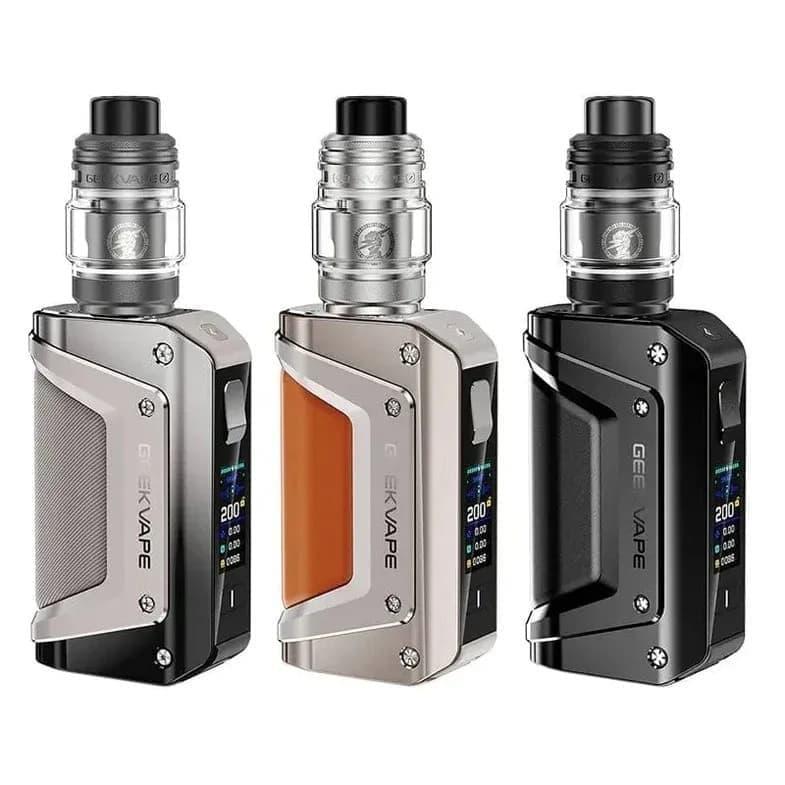
Address both the chemical dependence and the behavioral rituals that IBvape use creates. Examples of behavioral strategies include:
- Oral substitutes: sugar-free gum, mints, toothpicks, or crunchy snacks.
- Fidget tools: stress balls, fidget spinners, or tactile objects to replace hand-to-mouth motion.
- Structured breaks: replace vape breaks with short walks, breathing exercises, or brief stretching.
- Environmental changes: remove IBvape devices, pods, chargers, and fragrances associated with vaping from your immediate environment.

Managing cravings and withdrawal
Withdrawal commonly peaks in the first week and gradually declines over several weeks. Cravings can be intense but are transient and typically fade within minutes. Prepare a toolbox of immediate coping techniques.
Instant craving interventions
Delay — wait 10 minutes and engage in a distractor. Deep breathing — 4–6 slow breaths to reduce physiological arousal. Hydrate — sipping water can occupy your mouth and throat. Mindfulness — label the craving as a passing sensation. Combining methods increases success.
Structured routines to ease withdrawal
Schedule activities that lower stress and improve mood: regular exercise (even walking or bodyweight workouts), consistent sleep, and balanced meals. Exercise reduces craving intensity and regenerates dopamine activity naturally. If anxiety or low mood is severe, consult a clinician for behavioral therapies such as cognitive behavioral therapy (CBT) which is proven to support cessation.
Social and environmental strategies
Modify your surroundings and social interactions to reduce triggers. Communicate your quit goal to friends and co-workers, especially those who vape. Ask for their support or, if needed, temporary distance from high-risk situations. Create new routines for social events that previously included vaping — for example, hold a cup of tea, offer to be the designated driver, or choose vape-free venues.
Workplace and travel tips
During breaks, plan non-vaping activities: short walks, a quick call to a supportive friend, or a mindful breathing sequence. When traveling, bring travel-sized NRT, a distraction kit, and a written reminder of your motivations for quitting.
Tracking progress and rewarding milestones
Celebrate small wins. Tracking days smoke-free, money saved, or improved breathing capacity can reinforce motivation. Create a reward structure: after one week, treat yourself to a small non-vaping reward; after one month, plan a larger treat. Visual progress charts, habit-tracking apps, or a simple journal can serve both as accountability and encouragement.
Quantify your gains
Calculate weekly or monthly cost savings from no longer buying IBvape cartridges or devices. Note improvements such as reduced coughing, more energy, or better tasting food. These tangible benefits help maintain commitment during challenging phases.
Relapse prevention and dealing with slips
Relapse is common and does not mean failure. The key is to analyze what led to the slip and adjust the plan. If a single vape occurs, treat it as a learning event: what triggered it, what could you do differently next time, and how will you strengthen your coping toolbox?
Common relapse triggers
- High-stress periods without coping strategies.
- Social pressure or being around others who vape.
- Boredom or lack of routine.
- Overconfidence after a period of abstinence.
Plan for these by rehearsing alternative responses, increasing support during high-risk times, and re-engaging pharmacotherapy briefly if needed under medical guidance.
Support resources and community
Leveraging support dramatically increases success rates. Options include one-on-one counseling, group cessation programs, quitlines, and online communities focused on stopping e-cigarettes. Local health departments and hospitals often offer free resources. Peer support can provide accountability, shared strategies, and encouragement.
Digital and in-person options
Quitlines and text-message programs deliver daily tips and encouragement. Smartphone apps can remind you of goals, visualize savings, and help log cravings. In-person or virtual behavioral counseling (group or individual) provides tailored strategies and problem-solving for complex triggers.
Special considerations for young adults and adolescents
Young IBvape users often face unique social influences and developing reward pathways. Parents, educators, and clinicians should approach cessation with empathy, clear facts about harms, and age-appropriate counseling. School-based programs that build refusal skills and provide supportive alternatives reduce the chance of relapse.
Long-term maintenance
Cessation is an ongoing process. Maintain strategies that worked during the quit attempt: stress management, supportive relationships, and healthy routines. If cravings or vulnerability return during life transitions, revisit your quit plan, consider brief reintroduction of NRT under guidance, and seek counseling.
When to seek professional help
If you’re experiencing severe withdrawal (intense mood changes, suicidal thoughts, or inability to function), seek immediate medical or mental health care. If multiple quit attempts fail despite using recommended tools, consult a clinician to reassess medications, therapy options, or underlying mental health conditions that may be impeding progress.
Practical packing list for your quit toolkit
- Chosen NRT products and instructions.
- Oral substitutes (gum, lozenges, toothpicks).
- Fidget items and short exercise plans.
- Contact list of supportive friends, counselors, or quitlines.
- A journal or app to record cravings and wins.
How IBvape users can tailor the plan
Many IBvape users struggle with the hands-on rituals of vaping. Replace the tactile rituals with acceptable alternatives (e.g., inhaler-style NRT for inhalation mimicry, or hand-held stress-relief objects). Consider swapping flavored rituals — tea, flavored sparkling water, or herbal inhalers — to replicate sensory satisfaction without nicotine. Gradually reduce nicotine concentration if using e-liquid reduction, but with the intention of complete cessation within a clear timeline.
Addressing flavor and habit cues
Flavors can be powerful cues. Remove flavored supplies and avoid reintroducing them as a rationalization for ‘just one.’ If certain times of day or activities (gaming, driving) strongly cue vaping, plan specific alternative behaviors for those windows.
SEO-focused highlights for this guide
IBvape and quit e-cigarettes are emphasized across headings and body content to keep the article relevant for search queries. Key phrases are used in
,
, , and elements to help search engines understand the focus: practical quitting guidance, nicotine replacement strategies, coping with rituals, relapse prevention, and support resources specifically helpful to IBvape users and those aiming to quit e-cigarettes.
Meta-style summary for sharing
A concise takeaway: plan, choose tools that suit your pattern (NRT or medications), replace rituals, build a support network, and treat slips as learning opportunities. Persistent, structured effort leads to lasting cessation.
Further reading and reputable sources
For evidence-based recommendations, consult national health agency guidance on tobacco cessation, peer-reviewed studies on NRT and pharmacotherapy, and local quitline resources. Professional counseling combined with medication is often the most effective strategy.
Motivational closing
Quitting IBvape or other e-cigarettes is challenging but achievable. With a clear plan, supportive tools, and patience, you can reclaim control over nicotine dependence and enjoy improved health, finances, and well-being. Start small today — every smoke-free minute builds toward a healthier future.
Frequently Asked Questions
Can IBvape users quit cold turkey?
Yes, some people quit abruptly and succeed, but cold turkey results vary. If you have high dependence, combining cold turkey with behavioral strategies and support may be harder; consider NRT or professional help for a higher success rate.
How long do withdrawal symptoms last after quitting e-cigarettes?
Physical withdrawal often peaks in the first 1–2 weeks and declines over a month, but psychological cravings can persist and resurface months later. Continued coping strategies reduce relapse risk.
Are nicotine replacement therapies effective for e-cigarette users?
Yes, NRTs are effective for many e-cigarette users, especially when combined with counseling. Tailor the NRT to match your habitual patterns (patch for steady nicotine, gum/lozenge for acute urges).
Meta-style summary for sharing
A concise takeaway: plan, choose tools that suit your pattern (NRT or medications), replace rituals, build a support network, and treat slips as learning opportunities. Persistent, structured effort leads to lasting cessation.
Further reading and reputable sources
For evidence-based recommendations, consult national health agency guidance on tobacco cessation, peer-reviewed studies on NRT and pharmacotherapy, and local quitline resources. Professional counseling combined with medication is often the most effective strategy.
Motivational closing
Quitting IBvape or other e-cigarettes is challenging but achievable. With a clear plan, supportive tools, and patience, you can reclaim control over nicotine dependence and enjoy improved health, finances, and well-being. Start small today — every smoke-free minute builds toward a healthier future.
Frequently Asked Questions
Can IBvape users quit cold turkey?
Yes, some people quit abruptly and succeed, but cold turkey results vary. If you have high dependence, combining cold turkey with behavioral strategies and support may be harder; consider NRT or professional help for a higher success rate.
How long do withdrawal symptoms last after quitting e-cigarettes?
Physical withdrawal often peaks in the first 1–2 weeks and declines over a month, but psychological cravings can persist and resurface months later. Continued coping strategies reduce relapse risk.
Are nicotine replacement therapies effective for e-cigarette users?
Yes, NRTs are effective for many e-cigarette users, especially when combined with counseling. Tailor the NRT to match your habitual patterns (patch for steady nicotine, gum/lozenge for acute urges).