
IBVape Shop Notice: Why cautious vaping matters
The landscape of inhaled nicotine products has changed rapidly in recent years, and that change brings both opportunities and questions. One of the most important messages consumers need to understand is that e-cigs can have the same cancer causing chemicals as cigarettes. This concern is not a slogan but a summary of findings from multiple independent laboratories and peer-reviewed publications that have detected toxic and potentially carcinogenic compounds in some e-cigarette vapor samples. As a trusted retail and information resource, IBVape Shop aims to translate the science into practical, everyday advice so adult vapers can make safer choices without being misled by marketing claims.
What the research actually shows
Studies measuring the constituents of e-cigarette aerosol show a complex mix: solvents (propylene glycol and vegetable glycerin), nicotine, flavoring agents, aldehydes (including formaldehyde and acetaldehyde), volatile organic compounds (VOCs), tobacco-specific nitrosamines (TSNAs), and metals such as nickel, chromium, and lead. The presence and concentration of these substances vary widely across devices and e-liquids. Critical variables include device temperature, coil material, wattage, e-liquid composition, and user behavior. In some analyses, researchers have concluded that under certain conditions e-cigs can have the same cancer causing chemicals as cigarettes, especially when overheating or “dry puff” conditions create thermal degradation of solvents and flavors.
Key carcinogens identified in vapor samples
- Formaldehyde and acetaldehyde: Carbonyl compounds formed when solvents or flavorings are heated can be detected at varying levels.
- Tobacco-specific nitrosamines (TSNAs): Residual nicotine extraction or contamination during manufacturing can lead to trace TSNAs.
- Heavy metals: Leaching from coils or solder points may introduce metals like nickel, chromium, cadmium, and lead.
- Volatile organic compounds (VOCs): Benzene and toluene have been reported at low levels in some tests.
Important nuance: Detection of a carcinogenic compound does not automatically mean a device poses the same absolute risk as a burned cigarette. Risk depends on concentration, frequency of exposure, and individual susceptibility. Nonetheless, the presence of these compounds is a signal to reduce avoidable exposures.
How IBVape Shop recommends minimizing risk
Retailers, consumers, and policymakers can all take practical steps to reduce exposure to carcinogenic compounds in e-cigarette aerosols. Below are evidence-informed approaches you can apply today.
1. Choose tested, transparent products
Prioritize manufacturers and sellers who provide third-party laboratory reports (often labeled as COAs — Certificates of Analysis) that detail levels of nicotine, impurities, and known contaminants. IBVape Shop encourages customers to request lab documentation for e-liquids and prefilled cartridges. Legitimate COAs will show limits of detection and methods used; lack of documentation is a red flag.
2. Avoid high-power, high-temperature settings when unnecessary
Higher coil temperatures can increase thermal decomposition of propylene glycol (PG), vegetable glycerin (VG), and flavorings, producing aldehydes and other harmful byproducts. Use devices within manufacturer-recommended wattage ranges, and adopt a “lower-temperature” philosophy when flavor and nicotine satisfaction are adequate.
3. Recognize and avoid “dry puff” sensations
Dry puffs — harsh, burnt-tasting hits — often indicate overheating and are linked to spikes in harmful carbonyl formation. If you experience a bitter or burnt taste, stop using the device, re-prime the coil or wick, lower the wattage, and ensure the e-liquid is adequately saturating the wick.
4. Maintain and replace coils and wicks regularly
Old or degraded coils can corrode and release metals into vapor. Follow recommended maintenance schedules: replace coils at signs of flavor degradation, burnt taste, or after a manufacturer-specified number of milliliters consumed. Proper maintenance reduces metal leaching and preserves flavor integrity.
5. Prefer simpler flavor profiles and avoid unknown additives
Complex or buttery flavoring chemicals like diacetyl and acetyl propionyl have known respiratory risks. While many manufacturers have phased out diacetyl, homemade mixes or poorly labeled imports may still contain it. Choose reputable e-liquids that disclose ingredients and avoid stretching your palate with experimental or unverified concentrates.
6. Buy from reputable vendors and check batch traceability
Counterfeit cartridges, mislabeled nicotine concentrations, and contaminated products are more common in informal markets. Buy from licensed retailers such as IBVape Shop or vendors who provide clear batch numbers and recall processes. If anything tastes off, save the product and report the issue.
7. Be cautious with DIY mixing
While mixing e-liquids at home is popular, it introduces risk if base chemicals, flavor concentrates, or nicotine are impure or handled incorrectly. Nicotine is toxic at high concentrations; always use proper protective equipment, accurate measuring tools, and pharmaceutical-grade ingredients if attempting DIY mixing.
8. Consider switching strategies or quitting entirely
For adult smokers, many public health agencies emphasize that complete switching from combustible cigarettes to less harmful alternatives reduces exposure to many dangerous combustion products. However, because some e-cigarette aerosols may contain carcinogens, the safest option remains complete cessation. IBVape Shop suggests consulting healthcare professionals and cessation resources for personalized plans.
Device and chemical details explained
Technical contributors to harmful emissions include coil resistance and material (kanthal, nichrome, stainless steel), wick type (cotton or silica), e-liquid ratio (PG/VG), nicotine form (freebase vs nicotine salts), and the presence of flavoring aldehydes that may break down under heat. Metals may originate from coil metallurgy, connectors, or impurities in the manufacturing process.
| Source | Potential contaminant | Mitigation |
|---|---|---|
| Overheating / Dry puff | Formaldehyde, acetaldehyde | Lower wattage, avoid dry puffs |
| Poor coil quality | Nickel, chromium, lead | Buy quality coils, replace regularly |
| Unregulated flavors | Diacetyl, aldehydes | Verify ingredient transparency |
Regulatory and testing landscape
Regulators and independent labs use a range of methods (GC-MS, HPLC, ICP-MS) to quantify constituents in e-liquids and aerosols. These methods require standardized puffing protocols to be comparable — puff volume, duration, and interval all influence detected concentrations. Differences in laboratory methods account for some variability across studies, which is why IBVape Shop advises looking for consistent, repeated testing rather than a single data point.
Practical shopping checklist from IBVape Shop
- Ask for third-party lab results for nicotine and impurities.
- Inspect packaging for batch codes and manufacturing dates.
- Choose devices with temperature control and reputable coil materials.
- Avoid unknown or exotic flavor concentrates with minimal labeling.
- Replace consumables on a schedule and store e-liquids away from heat and sunlight.
Communicating risk responsibly
Language matters. Saying “e-cigs can have the same cancer causing chemicals as cigarettes” accurately reflects that some carcinogens may be present, but it does not mean every product, every puff, or every user shares the same level of risk as habitual cigarette smoking. Context is vital: exposure levels, frequency, and the nature of the compounds determine actual health outcomes. Consumers deserve clear labels, independent testing, and frank discussion of trade-offs.
Tips for healthcare providers and counselors
When advising patients, discuss relative risks instead of absolutes. For smokers, switching to a cleaner alternative may reduce exposure to combustion toxins. For never-smokers, especially youth and pregnant people, any nicotine use is discouraged. Share specific harm-reduction steps — use tested products, keep device temperatures moderate, and monitor for unusual tastes or device degradation.
Final practical reminders
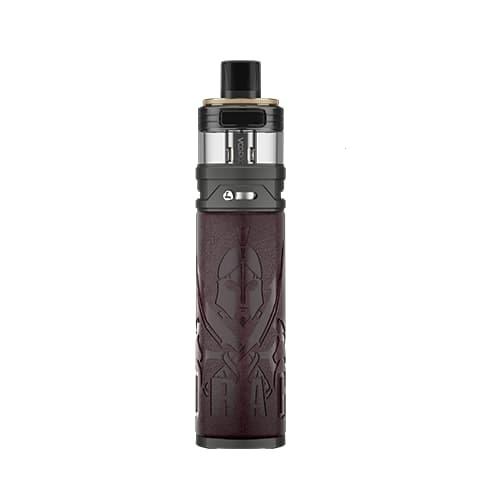 IBVape Shop warning — e-cigs can have the same cancer causing chemicals as cigarettes. Practical tips for safer vaping” />
Adopt a mindset of cautious optimization: choose reputable sources like IBVape Shop, verify lab testing, manage device temperatures, maintain coils, and be skeptical of hype about “safe” or “zero-risk” vaping. If your goal is health improvement, explore licensed cessation services and pharmacotherapies that have robust clinical evidence for quitting nicotine entirely.
FAQ
- Q: Are all e-cigarettes as dangerous as regular cigarettes?
- A: No. Not all e-cigarettes produce the same chemical profile as combusted tobacco, but certain devices and conditions can generate similar carcinogens. The level of risk varies based on product quality, user behavior, and frequency of use.
- Q: How can I tell if my vapor contains harmful chemicals?
- A: You cannot reliably test vapor quality at home. Look for third-party lab results from manufacturers, avoid burnt tastes or dry puffs, and choose devices and e-liquids with transparent sourcing and testing.
- Q: What are immediate steps to reduce my exposure?
- A: Lower your device wattage, stop using a device that produces a burnt taste, replace old coils, buy lab-tested e-liquids, and avoid DIY or black-market cartridges.
If you want concise product advice or help interpreting laboratory reports, contact knowledgeable vendors and trusted public health resources. The message from the evidence is clear: awareness, careful product selection, and responsible use can reduce exposure to harmful chemicals — and when in doubt, minimizing or stopping nicotine inhalation entirely is the healthiest choice. IBVape Shop remains committed to helping adult consumers navigate those choices with transparency and practical guidance.