
Smart Vaping Decisions: Practical Steps to Lower Costs and Choose the Right Device
When people search for affordable alternatives and clarity about modern nicotine delivery, they often type or voice queries about e-cigarette options and wonder about e cigarettes cost. This extended guide focuses on tangible strategies to cut your vaping expenses while preserving satisfaction, safety, and convenience. It blends purchasing guidance, maintenance practices, budgeting tips, and product comparisons so you can make educated choices without constantly guessing which device or refill path will save you money in the long run.
Understanding the economics behind vaping begins with separating one-time investments from recurring costs. A premium starter kit may appear pricier up front but can reduce ongoing expenses if it supports refillable tanks, has durable batteries, or accepts third-party coils and e-liquids. Conversely, disposable or pod systems might lower the initial barrier to entry but increase your monthly outlay. To optimize value, track both the initial price and the projected monthly spending for the first year; this reveals the true lifetime cost per vape session and helps you benchmark how different choices affect long-term expenditure.
How device types affect long-term spending
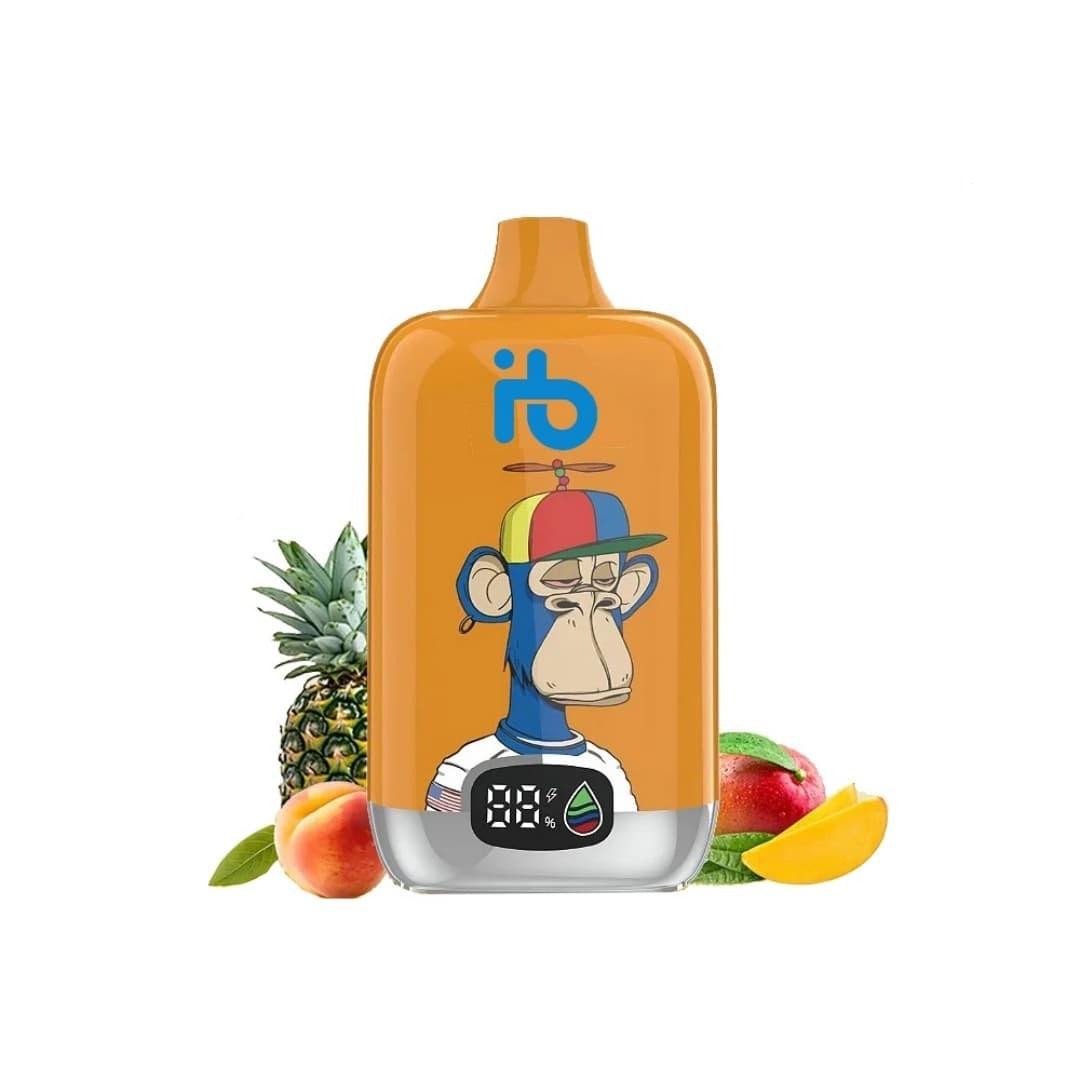
There are several broad device categories to consider: disposable devices, closed pod systems, open pod or refillable pod systems, and mod-style e-cigarette hardware with tanks. Each has a distinct cost profile and user experience. Disposable devices are convenient and require no maintenance; however, their recurring replacement cost can make them the most expensive choice over time. Closed pod systems typically have moderate upfront costs and recurring pod purchases, whereas refillable pod systems and tank mods require slightly more skill but often deliver the best value for the money because you can buy e-liquid in bulk, choose lower-cost nicotine salts or freebase liquids, and replace only coils or cotton periodically.
Calculating your true monthly vaping cost
To compare apples to apples, estimate usage in milliliters and cost per milliliter. For example, if you vape 10 mL of e-liquid per week and a 60 mL bottle costs the same as ten individual 6 mL pods, buying the bottle is usually cheaper. Track the following variables: cost of device, expected coil/tank replacement frequency, battery lifespan, amount of e-liquid consumed per day, and accessory replacements. Using a simple spreadsheet, calculate how much you spend per day, week, and month. This method reveals whether switching systems or altering daily habits will reduce your total spend. When evaluating e cigarettes cost, remember to include accessories such as chargers and carry cases in your long-term calculations.
Top-saving tactics on hardware purchases
- Buy reliable devices from reputable manufacturers to minimize failures and warranty headaches.
- Look for kits that include extra coils or pods so your initial purchase stretches further.
- Consider second-hand marketplaces for higher-end mods, but verify battery and device condition to avoid safety risks.
- Watch for seasonal sales, manufacturer promotions, and coupon codes — signing up for newsletters can yield welcome discounts.
Refillables vs. prefilled systems: Which saves more?

An e-cigarette that uses refillable tanks can dramatically lower your recurring spend when compared to prefilled pods. For instance, a 120 mL bottle of e-liquid typically costs roughly the same as a few prefilled pods; when consumed at similar rates, the bottle offers clear savings per milliliter. Refillable systems also allow you to shop for bulk e-liquid from third-party manufacturers who often sell at a lower unit price. On the other hand, some closed systems offer loyalty programs or subscription pricing that might close the savings gap. Always compare the cost per mL or per pod and consider the convenience factor alongside the economics.
Coils, cotton, and maintenance: hidden contributors to cost
Coil lifespan varies by vaping style, e-liquid viscosity, and device power settings. Vapers who prefer high-wattage, warm vapor or sweet flavors tend to replace coils more frequently. To manage coil-related expenses, adopt these practices: prime coils properly to avoid dry hits, lower wattage slightly to extend life, avoid chain vaping that overheats coils, and use e-liquids with appropriate VG/PG ratios for your device. Investing in quality coils from the device’s manufacturer can reduce premature failures; counterfeit or ultra-cheap coils often sacrifice longevity and flavor. Regular cleaning of tanks and careful handling of glass components also prevents accidental breakage and replacement purchases.
Bulking e-liquids and flavor management
Flavor preference strongly influences e cigarettes cost because specialty or boutique e-liquids often carry a price premium. Saving strategies include buying larger bottles, choosing classic flavors over niche small-batch blends, and embracing refillable options. Some vapers enjoy rotating flavors and buying small bottles to sample new blends; this is fine for variety but can be pricier. A balanced approach is maintaining a few favorite cost-effective flavors in larger bottles and reserving smaller sample purchases for occasional novelty. If you enjoy DIY, mixing your own e-liquid can yield substantial savings, but it requires proper knowledge about nicotine dilution, safe handling, and flavor concentrate ratios.
DIY basics and safety considerations
Making your own e-liquid reduces the per-mL cost but introduces complexity. Learn to calculate nicotine dilution and ensure accurate measurements using syringes or calibrated pipettes. Use quality nicotine from reputable suppliers and store it safely, away from children and pets. Always wear gloves when handling concentrated nicotine and label DIY bottles with nicotine strength. While DIY can be economical, beginners should spend time learning proper practices to avoid mistakes that could lead to unsafe nicotine levels or poor vaping experiences that waste product.
Energy and battery management
Battery replacement is another recurrent cost for many who prefer larger mods. To maximize battery lifespan, follow charging best practices: avoid leaving batteries at full charge for extended periods, use manufacturer-recommended chargers, and store batteries in cool, dry places. For single-battery devices, consider a quality replacement schedule so you don’t find yourself forced into expensive emergency purchases. Investing in one or two high-capacity, high-cycle batteries may cost more initially but will save money over years of use.
Where to buy: online vs. local vape shops
Shopping online often yields lower prices for e-liquid and hardware because online retailers can sell at lower margins and offer bulk discounts. However, local vape shops provide hands-on advice, immediate product returns, and in-person troubleshooting. A hybrid strategy works well: purchase unfamiliar devices locally to test ergonomics and fit, then buy consumables like coils and e-liquid online from trusted vendors in bulk. When buying online, review seller ratings, check for batch numbers and manufacturing dates, and avoid deals that look too good to be true; counterfeit products can cost you more in the long run due to failure or safety hazards.
Subscription services and loyalty programs
Many brands and vendors offer subscription services for e-liquid or pod deliveries with discounted pricing. If you have predictable consumption, a subscription can lock in lower rates and reduce impulse buys. Loyalty programs from retailers or brands provide points that convert into store credit — use them strategically to offset the replacement of commonly consumed items like coils or small accessories. Compare subscription prices with bulk purchasing; sometimes buying larger quantities outright is cheaper but subscriptions add convenience and predictability that some users value.
Comparing costs to traditional cigarettes
For many, the central budgeting question is how vaping stacks up against continuing to buy traditional cigarettes. To estimate this, compare the monthly cost of your smoking habit to total vaping costs including hardware amortization over a realistic period, e-liquid consumption, and accessory costs. In many markets, switching to a refillable e-cigarette system will reduce monthly spending, though initial setup costs may be noticeable. Use real usage numbers to determine break-even points and whether switching now, or upgrading hardware, makes financial sense.
Smart purchasing timeline
When planning purchases, consider the timing. New models are introduced frequently; waiting a few months after a product launch often results in discounts as retailers clear inventory. Conversely, if a device you like is discontinued, buying spare parts like pods or coils in quantity before stocks run out can secure long-term savings. Keep an inventory of critical consumables so brief supply disruptions do not force you to buy more expensive options on short notice.
Maintenance checklist to lower replacement rates
- Clean tanks regularly with warm water and mild detergent when switching flavors.
- Prime coils and allow wicks to saturate to prevent burning.
- Inspect O-rings and seals and replace them to prevent leaks that waste e-liquid.
- Store devices properly to prevent accidental drops and damage.
Recognizing deceptive bargains and fakes
Extremely low prices can indicate counterfeit or expired products. Counterfeit batteries, chargers, and coils are dangerous and usually fail faster. Always buy from authorized dealers or directly from manufacturers for devices and batteries. If a deal seems too good, research the seller, look for verified reviews, and cross-reference model numbers and packaging photos to protect yourself.
Environmental and disposal considerations
While pursuing low e cigarettes cost, remember environmental responsibilities. Dispose of batteries at designated recycling centers, empty or partially used e-liquid bottles responsibly, and prefer recyclable packaging. Some stores accept used pod cartridges or batteries for recycling; participating in these programs is a small cost-saving behavior when manufacturers offer discounts for returns.
Negotiation and community resources
Local vaping communities, forums, and social media groups often share bulk-buy tips, coupon codes, and group purchases that provide significant savings. Engaging with these communities helps you learn from experienced vapers who have tested various devices and can recommend cost-effective combinations. Additionally, some vape shops offer price matching or bundled deals when you purchase multiple items; asking politely can unlock immediate savings.
Key takeaways to reduce your vaping budget
Consolidate these principles into an action plan: choose a refillable and durable e-cigarette, buy e-liquid in bulk, maintain coils and batteries properly, subscribe only when it demonstrably lowers unit costs, and shop smartly online and locally. Regularly run a simple monthly expense audit to verify your expected savings are materializing; a small change in daily habit or device choice can produce outsized budget impacts when compounded over months and years. Use coupons and seasonal sales, but avoid purchases driven solely by impulsive desire for novelty that will not enhance your satisfaction.
Good financial choices in vaping are rooted in consistent maintenance, smart bulk buys, and choosing devices that match your consumption pattern.

Checklist before you buy
- Define monthly consumption in mL and pods.
- Compare the cost per mL across brands and pod formats.
- Assess the upfront cost vs. recurring savings for refillable systems.
- Read warranty and return policies for hardware.
- Factor in accessory replacement (batteries, coils, chargers).
By following this structured approach you can substantially reduce the ongoing e cigarettes cost without sacrificing the quality of your experience. Budget-conscious vapers who invest time in tracking consumption, researching deals, and maintaining equipment consistently realize the greatest savings.
Final considerations: safety and regulation
Any plan to lower costs must keep safety and compliance top of mind. Follow local regulations, avoid illicit or unregulated suppliers, and prioritize reputable products that pass safety standards. Cheaper options that cut corners on battery safety or nicotine purity may seem to lower e-cigarette expenses in the short term but can incur health or device replacement costs later.
FAQ
A1: Yes—switching from disposables or closed prefilled systems to a refillable e-cigarette with bulk e-liquid purchases usually lowers monthly costs after the initial setup payback period.
Q2: How often should I replace coils to balance cost and flavor?
A2: Coil replacement frequency depends on usage and liquid composition, but most vapers find 1–3 weeks per coil typical; extend life by priming coils, avoiding chain vaping, and using appropriate wattage.
Q3: Is DIY e-liquid worth it?
A3: DIY can reduce per-mL costs substantially, but it requires discipline, proper equipment, and safety protocols when handling nicotine; novices should learn dosing and storage before scaling up.