
E-Zigaretten Shop Safety Essentials and Indoor Alarm Awareness
This comprehensive guide is tailored for customers, shop owners and curious readers who care about safe vaping practices, practical product choices and the common question: will e-cigarettes set off smoke alarms? The short answer is: sometimes, depending on the device, aerosol density, alarm type and environment — and the long answer requires a closer look at how alarms detect particulates, how vape aerosol behaves and what steps you can take both in an E-Zigaretten Shop and at home to reduce false alerts.
How smoke alarms detect hazards
Understanding why an alarm might be triggered begins with the mechanics: most domestic alarms use either ionization or photoelectric sensors, and some modern units combine both technologies. Photoelectric sensors react to changes in light caused by larger particles, often detecting smoldering fires quickly, while ionization alarms are more sensitive to smaller particles typical of flaming fires. Vape aerosol can contain a mix of droplet sizes; higher-density clouds with large droplets are more likely to scatter light and activate a photoelectric detector. Therefore, the question will e-cigarettes set off smoke alarms depends on aerosol characteristics and the proximity and sensitivity of the smoke detector.
Vapor vs smoke: composition and behavior
Vape aerosol is primarily a mixture of propylene glycol (PG), vegetable glycerin (VG), nicotine (if used), and flavor compounds suspended as tiny liquid droplets. Unlike combustion smoke, which contains solid soot particles and persistent combustion by-products, e-cigarette aerosol tends to disperse and evaporate more quickly. However, when a user produces dense visible clouds — especially with high-VG e-liquids or sub-ohm devices designed for large vapor production — the temporary particle concentration can reach levels that trigger sensitive photoelectric smoke alarms. So, while aerosol is not identical to smoke, it can occasionally mimic smoke in ways that matter to alarm sensors.
Factors that influence false alarms in dwellings and public places
- Device power and coil type: High-wattage devices and certain coil builds produce more aerosol at once, increasing the chance of triggering a detector.
- E-liquid formulation: Liquids with higher VG content create thicker, longer-lasting clouds than PG-heavy blends.
- Flavor and additive particles: Some flavorings and additives can influence droplet persistence.
- Ventilation and room size: Poor ventilation and enclosed spaces concentrate aerosol and prolong particle residence time near detectors.
- Alarm sensitivity and placement: Detectors in hallways, ceilings above common rooms or close to doors and vents can be exposed to transient aerosol spikes.
- Environmental conditions: High humidity can interact with vapor behavior and detector response.
Common myths and misconceptions
Myth: “E-liquid vapors are invisible and harmless to alarms.” Reality: visibility depends on VG/PG ratio and output; alarms respond to particle concentrations, not the chemical label “vapor.”
Myth: “All smoke detectors are triggered only by fire.” Reality: many detectors are sensitive to high concentrations of non-combustion aerosols including steam, cooking fumes and heavy vape clouds.
Myth: “Carrying an e-cigarette near a detector won’t matter.” Reality: exhaling directly below a ceiling-mounted detector, or carrying a device that ejects large plumes into a confined hallway, elevates the risk of an alarm activation.
Practical guidance for customers in an E-Zigaretten Shop
When you visit an E-Zigaretten Shop or operate one, balancing product demonstration and customer experience with safety and legal obligations is essential. Here are actionable practices retailers and staff can adopt:
- Use demo stations thoughtfully: Designated demo areas should have good ventilation and be away from smoke detectors. Consider using enclosed display models or low-output demo devices for tastings.
- Train staff: Employees should know which devices produce heavy clouds and which settings (wattage, coil resistance) increase aerosol production. Avoid encouraging huge plume production indoors.
- Offer educational materials: Provide leaflets or signage explaining how different e-liquids and devices affect aerosol output and the local rules about indoor vaping.
- Install signage and policies: Clear “no indoor cloud-chasing” policies reduce incidents and help avoid unnecessary false alarms.
- Recommend lower-VG liquids for in-store use: Lower-VG blends produce less visible aerosol during demos and reduce the chance of alarm activation.
Device and product recommendations to minimize alarm triggers
For customers worried about the question “will e-cigarettes set off smoke alarms?” consider recommending or choosing:
- Mouth-to-lung (MTL) devices: These typically produce smaller, less dense plumes versus direct-lung, sub-ohm setups.
- Low-wattage kits: Devices designed for nicotine salts and moderate vapor reduce aerosol production.
- Lower-VG e-liquids: A 50/50 PG/VG blend or salt nic e-liquids often yield less visible vapor than 70/30 VG-heavy options.
- Rebuildable setups with conservative builds: If customers use RBA/RDA gear, guide them to coils and wicking that don’t encourage massive vapor clouds during tests.
How to vape indoors more responsibly to avoid false alerts
Whether you’re at home, in a small shop or a multi-unit residence, the following habits reduce the chance that your e-cigarette will trigger a smoke detector:
- Vape near windows or extractors: Open windows or use bathroom/kitchen fans to quickly dilute and extract aerosol.
- Exhale downward and away from detectors: Avoid directing exhalations toward ceiling-mounted alarms or hallway vents.
- Limit cloud-chasing indoors: Save high-output sessions for outdoor spaces or specialized vape lounges.
- Avoid vaping in stairwells and corridors: These areas act as chimneys and concentrate aerosols around detectors serving multiple units.
- Time your vaping: If you live with smoke-sensitive alarms (e.g., in a building with low-grade detectors), vape when fewer people are around or when ventilation is best.
Advice for building managers and shop owners
Managers can reduce disruption and liability by clarifying policies and considering detector technology:
- Place detectors with thought: Avoid installing sensitive photoelectric alarms immediately above common vaping areas, kitchen vent outlets or bathrooms where steam and aerosols are frequent.
- Use multi-criteria alarms where appropriate: Some modern detectors combine ionization, photoelectric and even CO sensors to reduce nuisance alarms while preserving safety.
- Display rules prominently: “No indoor vaping” or “Vape only in designated area” signs set expectations.
- Communicate with residents and customers: Simple education often prevents accidental activations and improves relations with neighbors and local safety authorities.
Maintenance and testing to reduce false positives
Routine maintenance helps ensure alarms function correctly and are less vulnerable to nuisance triggers. Key steps include:
- Follow manufacturer guidelines: Replace batteries and units according to instructions; dirty or malfunctioning alarms can be more prone to false positives.
- Consider sensitivity adjustments: In some settings, detectors have configurable sensitivity or can be swapped for models suited to the environment.
- Regular cleaning: Dust and particulates accumulate on sensors and can alter response thresholds; professional cleaning may be required for commercial settings.
Legal and safety considerations
Never tamper with or disable smoke detectors to avoid nuisance alarms. Doing so creates significant safety risks and legal liabilities. In many jurisdictions, disabling required alarms violates building codes and lease agreements. Instead, pursue mitigation strategies described above: relocate vaping activities, improve ventilation, choose lower-output products and work with building management to choose appropriate detectors.
Technical tips: reducing aerosol impact on detectors
For hobbyists and pragmatic users who need to vape indoors occasionally, consider these technical measures:
- Decrease device power temporarily: Dial down wattage or switch to mouth-to-lung coils for indoor use.
- Use higher airflow settings smartly: Higher airflow can reduce droplet size and concentration close to the exhale point, though it may alter flavor and nicotine delivery.
- Switch to low-visibility e-liquids: Some formulations are engineered for lower visible plume while maintaining flavor and nicotine satisfaction.
Case studies and anecdotal reports
Retailers and building supervisors often find that a small number of users create most nuisance alarms because they favor cloud-chasing. A practical success story: a mid-sized shop replaced top-floor detectors in the demo area with a combination alarm and instituted a “demo-only low-VG” policy; nuisance alarms dropped dramatically and customer satisfaction improved. Another example: an apartment complex added ventilation and designated a covered outdoor shelter for smokers and vapers; the number of triggered alarms in shared corridors decreased by over 70% in six months.
Communicating safety messages in an E-Zigaretten Shop
Clear customer communication is an inexpensive, high-impact strategy. Use point-of-sale brochures, staff demonstrations and in-store signage to convey best practices and explain the science behind why alarms may react to dense vapor. A short checklist near the register—”Vape responsibly: 1) Demo in designated area, 2) Ask staff for low-VG samples, 3) Keep exhale away from ceiling sensors”—helps normalize considerate behavior.
SEO note and targeted keyword usage
For web publishers and retailers optimizing content to attract relevant searches, it is valuable to weave the target phrases organically: mention E-Zigaretten Shop in headers and product pages, and include customer-facing guidance addressing the common query will e-cigarettes set off smoke alarms? Surround these phrases with helpful, actionable content, bullet points and FAQs to increase dwell time and perceived relevance to search engines.
Remember: avoiding nuisance alarms is about respect for shared spaces and safety, not about avoiding responsibility for alarm systems.
Conclusion: practical balance between vaping enjoyment and alarm safety
In practice, the answer to will e-cigarettes set off smoke alarms is “it depends.” By understanding device behavior, choosing suitable products, using designated demo areas in an E-Zigaretten Shop, and prioritizing ventilation and etiquette, you can enjoy vaping while minimizing the risk of false alarms. Educated retailers and considerate users together create safer shops, fewer inconveniences and stronger community relations.
Final recommendations for retailers and users
- Adopt a written in-store demo policy that prioritizes low-plume options.
- Educate customers about the differences between smoke and aerosol.
- Encourage outdoor or ventilated vaping for high-output sessions.
- Coordinate with building management when repeatedly experiencing nuisance alarms.
FAQ
Q: Will my compact pod device set off a smoke alarm?
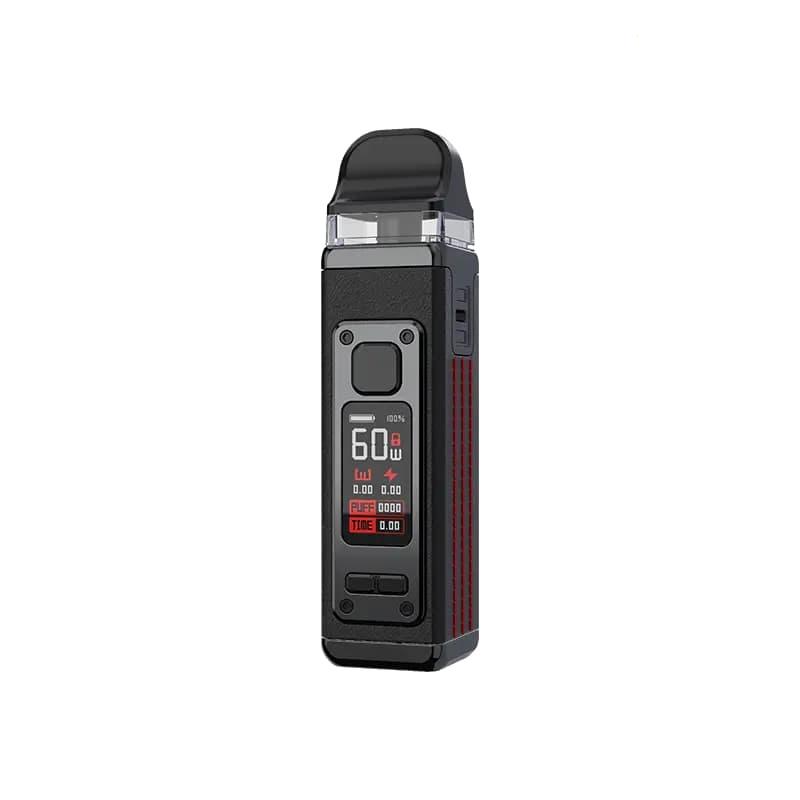
A: Most compact pod systems produce modest vapor that generally won’t trigger detectors unless used repeatedly in a confined area with poor ventilation; however, direct exhalation near a sensitive photoelectric alarm can still cause a nuisance activation.
Q: Are there specific e-liquids that are less likely to cause alarms?
A: Yes. Formulations with lower VG content produce less visible vapor. Salt-nicotine blends and 50/50 PG/VG liquids are typically less plume-heavy than 70/30 VG-forward mixes.
Q: Can stores legally ban indoor vaping?
A: Yes. Retailers and property owners can set their own policies regarding in-store vaping. These policies should be communicated clearly to customers and staff to prevent misunderstandings and false alarms.
For tailored merchandising, safety signage templates and device recommendations suited to your shop environment, consult technical guides from alarm manufacturers and local building codes; combining product knowledge from a trusted E-Zigaretten Shop with sensible, science-backed policies is the best route to reducing disruptions and maintaining compliance while still serving customers who vape.