
E-Sigara presents a thorough, practical guide that explains what’s in electronic cigarettes and how every ingredient and component influences the vaping experience — from throat hit to cloud production and flavor fidelity. This guide breaks down the chemistry, device anatomy, safety considerations, and user-facing effects so that curious vapers, health-minded readers, and industry watchers can better understand the science behind a simple inhale.
Overview: Why knowing what’s in your vape matters
When someone asks what’s in electronic cigarettes, they’re often seeking more than a list of contents: they want to know how each element changes taste, sensation, and risk. The market label “E-Sigara” has become shorthand for devices and e-liquids, but beneath the marketing there are predictable technical ingredients and device parts that determine the final experience. This section outlines the primary categories: base liquids, nicotine, flavorings, additives, device materials, and thermal byproducts. Understanding these categories helps consumers make informed choices and perform safer maintenance.
Primary liquid components: Propylene Glycol (PG) and Vegetable Glycerin (VG)
At the heart of most e-liquids are two carrier liquids: propylene glycol (PG) and vegetable glycerin (VG). Their ratio (often written as 50/50, 70/30, 30/70 etc.) is a key determinant in mouthfeel, throat hit, and vapor density.
- Propylene Glycol (PG): a thinner liquid, excellent at carrying flavor molecules, and responsible for a sharper throat hit similar to traditional cigarettes. PG is less viscous, so it wicks easily into coils and suits pod systems.
- Vegetable Glycerin (VG): a thicker, sweeter liquid that produces denser vapor clouds and a smoother inhale. High-VG blends are popular with sub-ohm vapers and cloud chasers but require coils and wicking systems that can handle higher viscosity.
Blend selection is therefore a balance between throat sensation, flavor intensity, and vapor output. An e-liquid labeled as 80% VG will emphasize clouds and smoothness but may mute delicate flavor notes, while a 30% VG (70% PG) mix will highlight flavor sharpness and nicotine bite.
Nicotine: forms and how they affect the experience
The chemical nicotine can be present in several forms and concentrations, each changing the speed and nature of nicotine delivery.
- Freebase nicotine: the traditional form used for decades; it gives a stronger throat hit for a given concentration and is commonly used in lower-resistance, high-power devices.
- Nicotine salts: a stabilized form created by combining nicotine with an acid (often benzoic acid). Nicotine salts (aka nic salts) tend to deliver nicotine more smoothly at higher concentrations, allowing users to satisfy cravings with lower aerosol volume. They are popular in pod-based systems because of the smoother inhale.
- Concentration and labeling: Nicotine is typically shown in mg/mL or as a percentage. For accurate expectations, consumers should check both concentration and the form of nicotine used because these interact with device power and coil resistance to determine actual delivery.
Many devices marketed by E-Sigara-style brands will specify compatible nicotine types — a crucial detail when selecting replacement pods or bottled e-liquids.
Flavorings: food-safe does not automatically mean vapor-safe
Flavorings are often food-grade but are not automatically proven harmless when inhaled. Common categories include esters, aldehydes, ketones, and terpenes that create fruit, dessert, menthol, or tobacco notes. The same molecules that taste great when eaten might behave differently when heated and inhaled.
Key points about flavorings:
- Some compounds, such as diacetyl, are linked in occupational studies to lung issues when inhaled at high concentrations; responsible manufacturers test to ensure trace levels are below safety thresholds or eliminate risky compounds.
- Heating can transform flavor molecules into new compounds — some are benign, others less understood. Research into thermal decomposition products is active and evolving.
- Complex flavors are blends of many chemicals; a fruit vape may contain dozens of individual additives.
Additives and enhancers
To modify throat hit, sweetness, or vapor density, manufacturers may add small amounts of compounds such as:
- Ethyl maltol and other sweeteners — enhance perceived sweetness without adding sugar.
- Cooling agents (like WS-23) — provide menthol-like cooling without mint flavor.
- Acids (for nic salts) — typically benzoic, levulinic, or succinic acid — to alter nicotine pH and smoothness.
- Humectants and preservatives — occasionally present in trace amounts to extend shelf life or modify viscosity.
These ingredients are usually present in very small proportions but can have outsized effects on perceived smoothness, throat sensation, and flavor complexity.
Device components and materials
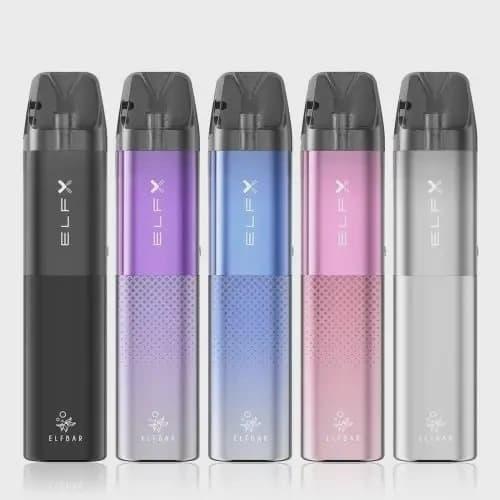
Electronic devices labeled as E-Sigara commonly consist of a battery, control circuitry, atomizer (coil and wicking), and a reservoir/pod/tank. Each part interacts with the e-liquid chemistry to create aerosol. Device construction influences safety, maintenance needs, and the sensory outcome.
Batteries and power delivery
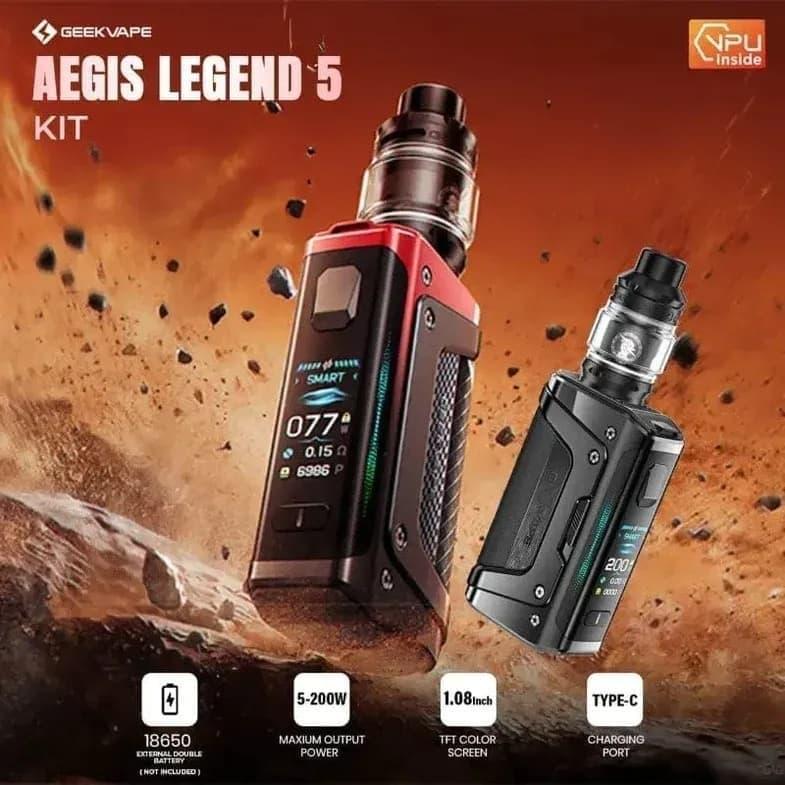
Modern devices use lithium-ion batteries. Power delivery (measured in watts or voltage) determines coil temperature. Higher power can produce larger clouds and stronger flavors but may also accelerate coil degradation and increase the chance of thermal decomposition of liquid components. Users should follow manufacturer guidelines: avoiding dry hits, using correct coil resistances, and maintaining battery safety (no damage to casings, no use with damaged chargers).
Coils, wicks, and materials
Coil wires (Kanthal, NiChrome, stainless steel, nichrome, nickel for temp control, etc.) and wicking materials (cotton, silica, ceramic, mesh) influence ramp-up time, flavor clarity, and longevity. Metal choice affects resistance stability and may influence metal leaching at high temperatures, although reputable testing shows modern coils release minimal metal under normal use. Ceramic and mesh options aim to provide even heating and extended coil life, while different wicking materials change how quickly liquid reaches the heating surface.
Pods and tanks
Sealed pods are convenient and often prefilled with nic salts, while refillable tanks are favored by hobbyists who want varied flavor selection and different PG/VG ratios. Sealing quality, airflow design, and reservoir ventilation can change how an e-liquid behaves when heated — too much airflow cools the coil; too little increases temperature and risk of dry hits.
Thermal reactions and byproducts
When an e-liquid is heated, it vaporizes and may react chemically. The most studied byproducts include formaldehyde, acrolein, and acetaldehyde under extreme conditions (very high temperatures or dry coils). Proper device use — maintaining coils, avoiding chain vaping at high power, and using correct liquid viscosity for the device — reduces the formation of harmful thermal byproducts. Research continues to refine our understanding of which conditions produce which compounds and at what concentrations.
Metals and particulate matter
Metallic particles can originate from coil degradation or erosion of device components. Lab tests vary, but consistent maintenance (regular coil replacement, avoiding overheating) reduces metal emission risk. Reputable manufacturers perform quality control and use coatings or alloys intended to minimize corrosion and release.
How ingredients shape sensory experience: practical guidance
Below is a functional mapping of common ingredient or device choices to expected outcomes, to help you tailor your vape to desired sensations.
- Maximize flavor clarity: Choose higher PG blends and a low-wattage device with a crisp coil; avoid overly sweet additives that can mute subtle notes.
- Maximize vapor production: Select high-VG liquids, sub-ohm tanks, and high-watt devices with low-resistance coils and wide airflow.
- Strong throat hit: Use higher levels of freebase nicotine and higher PG ratios at moderate power.
- Smooth high nicotine delivery: Opt for nicotine salts in a pod system with a higher nominal concentration but lower aerosol volume.
- Cooling sensation: Choose flavors with cooling agents or menthol derivatives to get an icy effect without minty flavor.
These recommendations interact — for instance, switching to high-VG to chase clouds will also change how nicotine is perceived and may require choosing a different coil/wick setup to avoid dry hits.
Safety, standards, and labeling you should look for
Responsible products will include clear labeling of ingredients (PG/VG ratio, nicotine concentration and form), batch numbers, manufacturing dates, and safety warnings. Third-party lab testing certificates (COAs) are increasingly common and useful; they can show measured levels of nicotine, solvents, metals, and known contaminants. Reputable E-Sigara distributors will make COAs accessible and will disclose whether flavor components were screened for problematic compounds like diacetyl.
Storage and shelf life
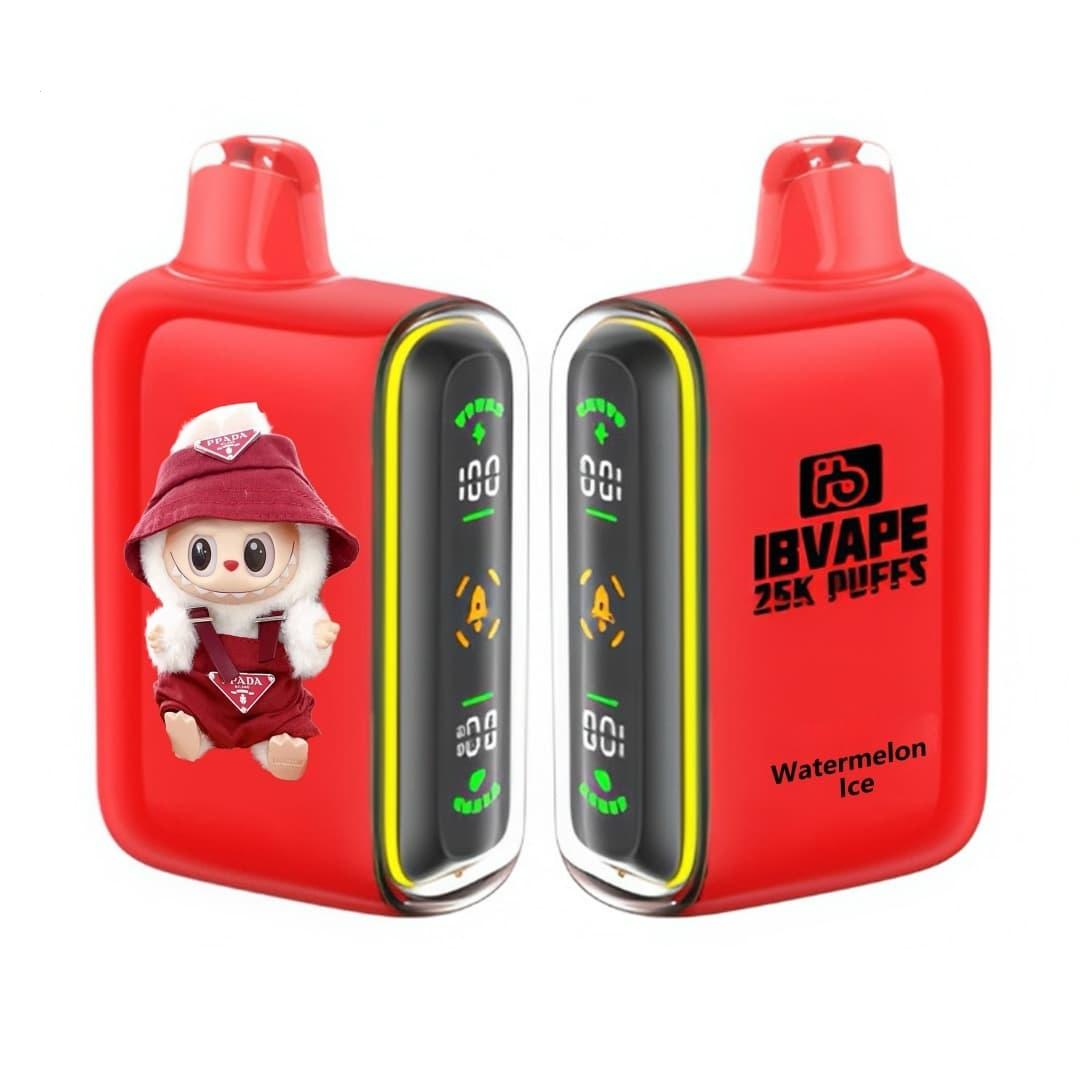
Store e-liquids away from direct sunlight and heat, keep them sealed to slow oxidation of nicotine and flavors, and use them within the manufacturer’s recommended window. Nicotine degrades over time and may change flavor profiles; oxidized nicotine often has a harsher taste.
Regulatory context and research trends
Legislation and research into what’s in electronic cigarettes are both active areas. Regulators in many countries require ingredient disclosure, nicotine limits, and child-resistant packaging. Scientific studies are ongoing into long-term inhalation effects of specific flavoring compounds and repeated thermal exposure. Consumers should track guidance from health authorities and prioritize products that demonstrate transparent quality control and testing.
Environmental considerations
Disposable pods and single-use devices add plastic and electronic waste. Recycling programs and responsible battery disposal reduce environmental impact — users should avoid throwing lithium batteries into ordinary trash and seek take-back or recycling options where available.
Common misconceptions and clarifications
Myth: “Food-grade flavoring equals inhalation-safe.” Truth: Food-grade is not the same as inhalation-safety. Inhalation toxicology is a distinct discipline and some food-grade compounds behave differently when heated and inhaled.
Myth: “All e-cigarettes are chemically identical.” Truth: Formulations, nicotine forms, and device power ranges create substantial differences between products marketed under similar names.
Practical tips for safer use and better taste
- Match e-liquid viscosity to your device: High-VG in devices not designed for it can cause dry hits and coil failure.
- Replace coils regularly: burnt or gunked coils can produce off-flavors and increased toxic byproducts.
- Use recommended power ranges: avoid cranking wattage beyond coil specifications.
- Store e-liquids in cool, dark places and keep caps tightly sealed to extend freshness.
- Choose suppliers who provide lab testing information and clear ingredient lists.
Maintenance checklist
Clean tanks periodically, inspect batteries for damage, prime new coils before use, and avoid mixing unknown liquids together. Routine care improves flavor consistency and reduces unnecessary exposure to degraded compounds.
Practical glossary: short definitions for quick reference
- PG (Propylene Glycol)
- Carrier liquid that emphasizes flavor and throat hit.
- VG (Vegetable Glycerin)
- Carrier liquid that produces thicker clouds and smoother vapor.
- Freebase nicotine
- Traditional nicotine form with stronger throat sensation.
- Nicotine salt
- Smoother nicotine delivery, often used in higher-concentration pod products.
- Coil
- Resistive heating element that vaporizes the e-liquid.
How to read an e-liquid label effectively
Look for: PG/VG ratio, nicotine form and concentration, batch number, expiration or manufacture date, lab testing links, and explicit statements about excluded compounds (e.g., “diacetyl-free”). These details inform both experience and safety choices.
Choosing the right product for you
If you prioritize discretion and nicotine satisfaction with minimal vapor, pick a nic-salt pod system and an 18–50 mg/mL strength depending on prior smoking habits. If you prioritize hobbyist flavor exploration and cloud production, opt for high-VG, freebase nicotine at lower concentrations with a rebuildable atomizer or sub-ohm tank. E-Sigara style brands will usually indicate which user profile the product is tailored for.
Final thoughts: informed decisions and ongoing learning
Knowing what’s in electronic cigarettes empowers you to tune your kit for flavor, nicotine satisfaction, and reduced risk exposure. While research continues to refine our understanding of long-term effects, following manufacturer guidance, prioritizing tested products, performing regular device maintenance, and respecting battery safety are practical ways to lower avoidable risks. The vaping landscape evolves rapidly, and consumers who pay attention to ingredient transparency and device compatibility will benefit from better flavor and safer use.
Further reading and resources
Look for peer-reviewed inhalation toxicology reviews, regulatory agency guidance, and third-party lab reports for the most reliable information. Manufacturers that publish Certificates of Analysis (COAs) for each batch score higher on transparency metrics.
FAQ
Q: Are the carriers PG and VG safe to inhale?
A: Both compounds are commonly used and generally considered low risk in vaping contexts, but inhalation safety depends on device conditions and heating; research is ongoing and responsible manufacturing/testing reduces uncertainty.
Q: How do I know if a flavor contains risky compounds?
A: Check COAs and product disclosures. Reputable brands will test for known compounds of concern. Avoid products from unknown suppliers without transparent testing.
Q: Do high-power devices increase risk?
 E-Sigara guide to what’s in electronic cigarettes and how each ingredient shapes your vape experience” />
A: Higher power can raise coil temperature and increase thermal decomposition of liquid components; staying within recommended power ranges and using suitable coils minimizes this risk.