
Smart Travel Advice for Carrying Your Vape and Rules About an e cigarette in checked bag

Travelers who enjoy vaping face a mix of practical and regulatory choices when packing for a trip. This guide focuses on how to transport a vape device safely and responsibly, compares the considerations of putting an e cigarette in checked bag versus carrying it in your hand luggage, and offers step-by-step tips to keep your gear working and compliant during flights. Whether you’re a casual user or a frequent flyer, these strategies will help you minimize risk, avoid fines or confiscation, and protect your investment.
Why packing method matters
The selection between carrying a vape in your carry-on or placing an e cigarette in checked bag is not just about convenience: it’s about safety, battery rules, and airline policy. Lithium batteries, especially removable 18650 or larger cells, are the main concern for aviation authorities. When batteries overheat or are short-circuited, they can cause fires. For this reason most aviation regulators and airlines restrict batteries in checked baggage and strongly encourage transporting them in the cabin.
At-a-glance rules
- Carry-on favored: Many international airlines and organizations like the FAA recommend carrying portable electronic smoking devices in carry-on baggage only.
- Batteries: Loose lithium-ion batteries are often forbidden in checked luggage; cells should be kept in carry-on and protected against short circuits.
- Clear e-liquids: E-liquids in carry-on must follow liquid limits (e.g., 100 ml containers in a resealable bag for many jurisdictions).
- Checked restrictions exist: If you insist on an e cigarette in checked bag, expect strict rules for battery removal, insulation, and possibly airline-specific prohibitions.
Understanding airline and regulatory policies
Before you decide whether to stow a vape in checked luggage, check three key information sources: the airline’s own transport policy, your departure and arrival country aviation authority, and the Transportation Security Administration (TSA) or equivalent at stopovers. Policies vary by carrier and region — some allow devices in checked baggage if batteries are removed and stored separately, others prohibit devices entirely in checked space. Always verify changes close to your departure date because rules evolve.
Examples of typical rules
- Airline A (example): Devices allowed only in cabin. Spare batteries must be in carry-on and insulated.
- Airline B (example): Electronic cigarettes permitted in checked baggage if battery removed and terminal insulated; e-liquids follow hazardous material quantites.
- Regulators: Many national aviation authorities echo ICAO/ IATA guidance that lithium batteries should be in the passenger cabin.

Why the TSA and international authorities caution against placing a vape in the hold
The vape contains a battery that might fail under pressure, heat, or impact. When a battery short-circuits, it can produce thermal runaway, creating extreme heat and potentially fire. Because crew response to in-flight fires in the cargo hold is limited, authorities prefer batteries remain in the cabin where crew can respond quickly. For these safety reasons, placing an e cigarette in checked bag can lead to confiscation or penalties.
Practical packing checklist for air travel
A concise checklist reduces the chance of airport grief. Follow these packing steps to protect your vape and stay on the right side of rules:
- Prefer carry-on: Put the assembled device and any spare batteries in carry-on baggage whenever allowed.
- Remove batteries if required: If you must check a device, remove the battery and carry it in your cabin baggage; tape terminals or use a battery case.
- Protect against activation: Ensure tanks are empty or disconnected to avoid accidental activation; store devices with airflow blocked and power off.
- Secure e-liquid: Follow liquid limits for carry-on; for checked luggage, be aware of pressure and leakage risks.
- Transport spare cells properly: Keep spare lithium batteries in original retail packaging or individual protective cases to prevent contact between terminals.
- Use robust cases: Hard-shell travel cases reduce crushing and accidental button presses.
Step-by-step: How to prepare a vape for a flight
Step 1: Clean and empty tanks when possible. Residual e-liquid can leak when pressure changes, causing damage to luggage. Step 2: Power down and lock the device. Many mods have a safety lock feature; use it. Step 3: Remove batteries if you plan to check the device. Place batteries in a battery case and keep them in your carry-on. Step 4: Use tape or silicone caps to cover exposed terminals on spare batteries. Step 5: Pack devices so buttons cannot be depressed; surround with clothing or foam and keep them upright if possible.
Design decisions to keep your vape safe in transit
- Choose compact with non-removable batteries: Smaller pod systems with sealed batteries are easier to manage for some travelers, but check airline rules.
- Invest in a quality travel case: A structured case minimizes impact damage and accidental activation.
- Desiccants for e-liquids: When carrying bottles in checked luggage, desiccant packets help reduce humidity and potential corrosion, though they don’t stop leaks.
International travel nuances

Going abroad introduces new legal variables. Countries may have outright bans on nicotine-containing liquids, require licensing for sales, or impose import limits. Research the destination’s laws for possession and use of vaping devices. Some countries that allow vaping domestically may still restrict importation or have heavy taxes affecting the availability of parts and e-liquids. If unsure, consider buying consumables at your destination or bringing small legitimate quantities that meet local rules—always packed per airline guidance.
Customs and import tips
- Carry receipts for liquids and devices to show legal purchase.
- Avoid transporting large quantities of e-liquid that could be considered commercial.
- Label nicotine strengths and ingredient lists if required by the destination nation.
What to do at airport security
At security checkpoints, be proactive. Remove your vape and place it in a bin if required by screening staff. Remove spare batteries from your checked baggage and have them ready to present in your carry-on. Keep e-liquids in transparent resealable bags that comply with liquid limits. If asked about an e cigarette in checked bag, be polite and clarify you followed airline guidance; demonstrate removed batteries if necessary.
Onboard do’s and don’ts
Never attempt to vape onboard. It’s prohibited on nearly all flights and can lead to serious penalties if attempted. In addition to fines, misuse may provoke immediate security action. Keep your vape powered off, secured, and accessible in the cabin until you disembark.
If your device malfunctions mid-journey
Should you notice device swelling, leakage, or overheating while traveling, take immediate precautions: stop using it, isolate it in a non-flammable container if possible, and inform airline crew if onboard. For checked items, if you detect issues after a flight, report them to airline ground staff before leaving the terminal.
Battery-specific guidance
Lithium batteries come with watt-hour (Wh) or mAh ratings. Airlines often limit batteries above a certain Wh rating from being carried without approval. Typical laptop batteries are treated differently from removable vape cells, but always verify limits. For spare batteries, the safe practice is to carry them in your cabin baggage with terminals covered. Use individual plastic or rubber battery sleeves and avoid loose contact with metal items.
Preventing leaks and pressure-related problems
Air pressure changes can push liquid out of tanks. To minimize leaks: avoid overfilling, store tanks upright, partially empty tanks if possible before flight, and leave room for expansion. Consider using travel-sized, leak-proof bottles with childproof caps. For prefilled pods, keep them sealed until needed and preferably in carry-on to control temperature exposure.
Legal and etiquette considerations
Even where vaping is legal, respecting non-smoking areas and local customs is important. Some hotels, resorts, trains, and indoor spaces have strict no-vape rules. Use hotel amenities or designated smoking areas, and dispose of single-use devices thoughtfully to avoid litter or environmental harm.
Long-term storage considerations when flying frequently
If you travel a lot, adopt a routine: battery cases, a dedicated vaping travel kit, and a curated list of vendor contacts at frequent destinations. Consider registering warranties and keeping serial numbers and purchase records accessible online in case of loss or theft.
Checklist before landing
- Power off all devices
- Ensure tanks are upright and sealed
- Keep batteries accessible in carry-on
- Pack spare e-liquid bottles securely
Common packing mistakes and how to avoid them
- MISTAKE: Tossing loose batteries into checked luggage. FIX: Keep them in a protective case in your carry-on.
- MISTAKE: Leaving device assembled with full tank. FIX: Empty or secure tanks and power the device off.
- MISTAKE: Not checking airline policy. FIX: Visit the airline’s official site or contact customer service before departure.
Summary
To sum up, when weighing whether to place an e cigarette in checked bag or carry it in the cabin, safety and compliance should win. In most cases, airlines and regulators prefer that devices and spare batteries travel in the cabin. Protect your vape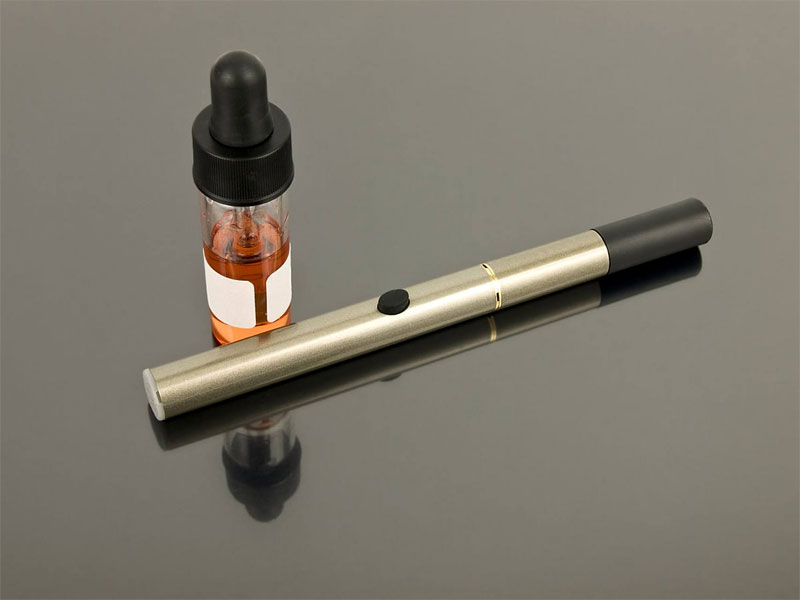 with proper cases, battery insulation, and attention to liquid handling. Do your homework on destination laws and airline policies to minimize surprises at the airport.
Maintenance and troubleshooting after flying
After a flight inspect tanks, seals, and batteries for any sign of damage. Clean contacts with a lint-free cloth and check O-rings on tanks. Replace damaged coils and dispose of compromised batteries safely through a recycling program or designated drop-off points; do not throw lithium batteries in ordinary trash.
Further recommendations for frequent flyers
Keep spares, but rotate them so batteries don’t sit fully charged for extended periods. Use airline-compliant battery storage and store e-liquid in original labeled containers when possible. Maintain digital copies of warranty and purchase information to facilitate assistance overseas.
SEO-focused key phrase placement
Throughout this travel guide, mention of vape and the phrase e cigarette in checked bag has been emphasized to improve relevance for search queries. You’ll find guidelines, packing lists, legal notes, and practical safety checks that address user intent: “Can I bring a vape on a plane?” “Is it allowed to check an e cigarette in checked bag?” and “How do I protect my vape from damage while traveling?”
Resources and next steps
- Check your airline’s website for the most current guidance.
- Review TSA or national aviation authority pages for updates on lithium battery transport rules.
- Contact the airline’s customer service with model-specific questions or special cargo needs.
FAQ
- Q: Can I put my vape in checked luggage?
- A: Generally not recommended. Most authorities ask that devices and spare lithium batteries be carried in the cabin. If you must check a device, follow airline instructions—remove batteries if required and secure all components to prevent activation or leakage.
- Q: What happens if I bring an e cigarette in checked bag against rules?
- A: Possible outcomes include confiscation of the device, fines, or refusal to transport. Safety rules are enforced to prevent fire risk; compliance avoids penalties.
- Q: How should I pack spare batteries?
- A: Store spare lithium batteries in their original packaging or in a hard plastic battery case with terminals covered; keep them in carry-on luggage only unless you have explicit airline approval.
If you prepare in advance, follow the simple battery and leak-proofing steps, and verify airline rules, you can travel with your vape confidently while minimizing the chance that an e cigarette in checked bag will create problems. Safe travels and vape responsibly.