
Liquids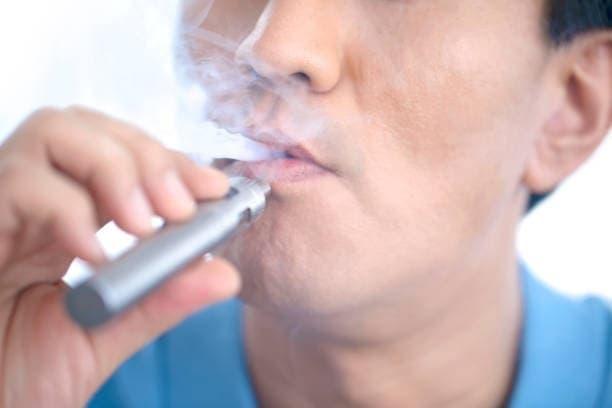 & the question: can you get lung cancer from electronic cigarettes?
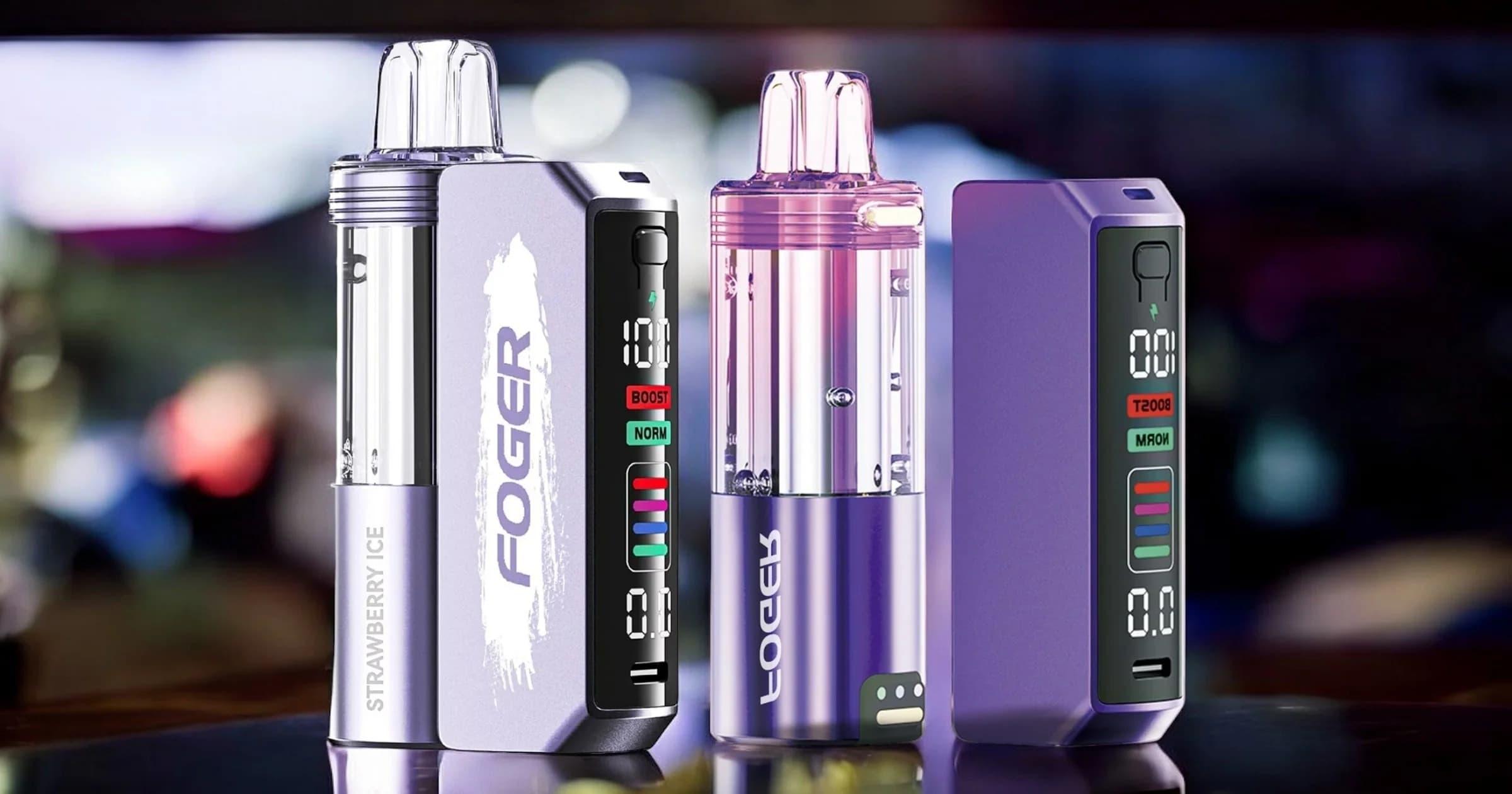 Liquids answers can you get lung cancer from electronic cigarettes with evidence-based analysis, myths debunked and safer vaping advice” />
This comprehensive, evidence-focused guide explores what is known and what remains uncertain about Liquids used in vaping devices and the core public-health question: can you get lung cancer from electronic cigarettes? The aim is to separate strong evidence from plausible biological mechanisms and myths, to summarize current research, and to provide practical, safer-vaping advice for adults who already vape or are considering switching from combustible tobacco.
Why focus on e-liquid chemistry?
At the heart of the issue are the components of e-cigarette Liquids — typically propylene glycol (PG), vegetable glycerin (VG), nicotine of varying concentrations, flavoring chemicals, and occasionally other additives. When heated by a coil, these liquids produce an aerosol that users inhale. The composition of the aerosol can differ dramatically depending on device power, coil temperature, formulation, and user behavior (puff duration and frequency). Those variables determine whether potentially harmful byproducts form, including carbonyls such as formaldehyde and acetaldehyde, volatile organic compounds, metals and ultrafine particles. Understanding the chemistry is essential to evaluating carcinogenic risk.
Key chemical processes and potential carcinogens
- Thermal degradation: At high coil temperatures, glycerol and propylene glycol can decompose into carbonyl compounds (formaldehyde, acetaldehyde, acrolein). Some carbonyls are classified as probable or known carcinogens.
- Metals and particulates: Heating elements can shed trace metals (nickel, chromium, lead) into the aerosol. Chronic inhalation of certain metals is associated with increased cancer risk in occupational studies.
- Flavoring agents: Many flavoring chemicals are safe to ingest but not all have been tested for inhalation. Diacetyl and related diketones, linked to bronchiolitis obliterans in occupational exposures, are an example of inhalation-specific toxicity concerns rather than direct carcinogenicity.
- Contaminants and adulterants: Illicit products (e.g., some THC cartridges or adulterated oils) have caused severe lung injury (EVALI) related to vitamin E acetate, a substance not typically associated with long-term cancer risk but implicated in acute toxicity.
What the laboratory evidence shows
Laboratory studies provide mechanistic insight but have limits. In vitro experiments (cell studies) show that some e-cigarette aerosols can cause DNA damage, oxidative stress, inflammatory signaling and cellular changes that are associated with cancer pathways. Animal studies show variable results: some suggest increased markers of DNA damage or tumor-promoting activity under certain exposure regimens, while others do not. Importantly, these studies often use high exposure levels, concentrated aerosols, or conditions that may not reflect typical human use.
Human epidemiology: the gap in long-term data
Long latency: Lung cancer typically takes decades to develop after exposure to a carcinogen. Widespread use of modern e-cigarettes is roughly a decade or less in many populations, which means large-scale, long-term epidemiological evidence is not yet available. That makes definitive statements about lifetime cancer risk impossible at present. Researchers instead evaluate short- and medium-term biomarkers (DNA adducts, oxidative stress markers, urinary metabolites of carcinogens), population-level exposure reductions, and indirect comparisons to combustible cigarettes.
Biomarker and exposure studies
Many human studies find that switching from combustible cigarettes to e-cigarettes reduces exposure to several known tobacco combustion-related carcinogens and toxicants (e.g., tobacco-specific nitrosamines, benzene, carbon monoxide). Biomarker studies often show lower levels of these compounds in exclusive e-cigarette users compared with smokers. That reduction is consistent with the fact that e-cigarettes do not burn tobacco and therefore do not produce the complex mixture of combustion products responsible for most smoking-related cancers.
However, e-cigarette users can still be exposed to potentially harmful chemicals not seen in non-users, and some biomarkers of exposure to metals or carbonyls may be detectable. Dual use (both smoking and vaping) tends to reduce the benefit and can sustain exposure to combustion-derived carcinogens.
Putting the evidence together: risk comparison and uncertainty
Established fact: Cigarette smoking causes lung cancer and many other cancers; the causal link is supported by decades of epidemiology and mechanistic studies.
Current evidence about e-cigarettes: Most evidence indicates that switching completely from smoking to e-cigarette use reduces exposure to many known carcinogens. That strongly suggests a lower long-term risk of lung cancer compared with continued smoking, but the degree of reduced risk is uncertain and depends on device, liquid, and behavior. The direct question — can you get lung cancer from electronic cigarettes? — cannot be answered with absolute certainty yet, because (1) many relevant exposures vary widely across products and users; (2) lung cancer develops over decades; and (3) high-quality longitudinal cohort data are still emerging.
Evidence-based interpretation
- It is biologically plausible that certain compounds generated by e-cigarette aerosols could contribute to carcinogenesis over long-term exposure in some circumstances.
- Compared to combustible cigarettes, e-cigarettes typically expose users to lower levels of many key carcinogens, so relative risk is expected to be lower for exclusive e-cigarette users than for continuing smokers.
- Exclusive e-cigarette users may still have some increased risk compared with never-smokers, depending on exposure to specific toxicants and duration of use — but the magnitude, if any, is currently unknown.
- Dual use (both smoking and vaping) does not confer the reduced exposure advantage and is likely to sustain a higher cancer risk than exclusive vaping or exclusive non-use.
Common myths and clarifications
Myth: Vaping is completely harmless.
Fact: No inhaled aerosol is completely harmless. E-cigarettes eliminate many combustion-related toxins but are not risk-free.
Myth: E-cigarettes are as carcinogenic as cigarettes.
Fact: The best available data indicate lower exposure to many carcinogens with e-cigarettes than with combustible cigarettes, which implies lower relative risk, though absolute long-term risks are not yet fully quantified.
Myth: Flavorings are safe because they are used in food.
Fact: Ingestion and inhalation are different exposure routes. Some flavoring chemicals are safe to eat but have not been adequately studied for inhalation toxicity or long-term respiratory effects.
Clinical and public health perspective
For healthcare providers, the practical approach is risk-proportionate counseling: encourage complete cessation of all nicotine products when possible. For adults who cannot quit combustible cigarettes, switching completely to regulated e-cigarettes may reduce exposure to numerous carcinogens and could be considered a harm-reduction strategy. However, providers should emphasize evidence limitations, advise against dual use, and recommend approved cessation therapies as first-line options.
Safer vaping advice based on current evidence
For adults who choose to use e-cigarettes, the following practical steps can reduce potential harms:
- Prefer reputable products: Use devices and Liquids from established manufacturers with transparent ingredient lists and quality controls.
- Avoid modifying devices: Refrain from “cloud-chasing” or altering coils to operate at very high power and temperature, which increases thermal degradation and carbonyl formation.
- Choose lower temperatures and wattage: Lower-power settings generally produce fewer thermal decomposition products. Follow manufacturer guidance for coils and wattage ranges.
- Avoid unregulated and illicit products: Do not use black-market THC cartridges or additives of unknown composition — EVALI episodes were linked to such products.
- Be cautious with flavors: While flavors may help smokers switch, avoid liquids known to contain diketones (e.g., diacetyl) and be cautious about inhaling novel chemical flavorants with no inhalation safety data.
- Limit dual use: Completely stop combustible cigarettes rather than using both products; dual use undermines exposure reduction.
- Monitor nicotine intake: Use the lowest effective nicotine concentration to reduce dependence and facilitate cessation if desired.
Practical troubleshooting and safety tips
- Replace coils and maintain devices per manufacturer recommendations to reduce metal release and buildup of residues.
- Keep liquids sealed and stored according to instructions; prevent ingestion by children or pets.
- If you experience chronic cough, wheeze, new shortness of breath, or other respiratory symptoms, stop vaping and seek medical care.
Regulatory and research priorities
Key priorities for reducing uncertainty include long-term cohort studies that track exclusive e-cigarette users, smokers, former smokers, and never-smokers; standardized measurement of exposures and biomarkers; and rigorous toxicological testing of flavoring chemicals for inhalation safety. Regulation that improves product quality, enforces ingredient disclosure, restricts sale of adulterated products, and reduces youth uptake will support public health.
What individuals can expect in the coming years
As longitudinal data accumulate, estimates of absolute cancer risks associated with long-term exclusive e-cigarette use will become clearer. For now, the balance of evidence indicates that complete switching from combustible cigarettes to regulated e-cigarettes reduces exposure to many proven carcinogens, suggesting a lower relative risk of lung cancer, but absolute risks cannot yet be precisely quantified and will depend on product choices and patterns of use.
“If you smoke, quitting entirely is the best way to reduce lung cancer risk. If you cannot quit, switching completely to regulated e-cigarettes may reduce exposure to many carcinogens; avoid dual use.”
How clinicians can counsel patients
Ask detailed use history (device type, wattage, liquids, flavors, frequency), assess readiness to quit, offer evidence-based cessation treatments first (NRT, varenicline, behavioral support), and discuss e-cigarettes as a possible harm-reduction option for those unwilling or unable to quit combustible cigarettes, emphasizing the limitations of current evidence and the importance of complete switching.
Quick checklist for safer use
- Use authentic products with clear labeling.
- Avoid black-market cartridges and unknown additives.
- Keep device settings within recommended ranges.
- Aim to reduce nicotine over time if the goal is cessation.
- Never let children or pregnant people use e-cigarettes.
Finally, public messaging should be nuanced: discourage initiation among youth and non-smokers, support cessation of combustible tobacco, and provide accurate information for adult smokers exploring alternative nicotine delivery systems. The future clarity on whether and to what extent can you get lung cancer from electronic cigarettes will be determined by the ongoing accumulation of long-term data, mechanistic studies, and improved product regulation.
Further reading and resources
Look for high-quality systematic reviews, position statements from public-health bodies, and longitudinal cohort studies published in peer-reviewed journals to stay up to date as evidence evolves. Be skeptical of sensational headlines that overstate single-study findings without context.
This article balances current science, mechanistic plausibility, and practical advice so readers can make informed decisions about Liquids and understand the nuanced answer to can you get lung cancer from electronic cigarettes.
Q1: If I switch completely from cigarettes to e-cigarettes, will my lung cancer risk go to zero?
A1: No. While switching typically reduces exposure to many established carcinogens found in cigarette smoke and likely lowers relative risk, e-cigarette use is not risk-free and absolute long-term risk is still uncertain.
A2: Not necessarily in all cases, but some flavor chemicals lack inhalation safety data and certain compounds (e.g., diacetyl) have known inhalation hazards. Prefer liquids without known hazardous additives.
A3: Lung cancer develops over many years. Vaping has not been shown to cause immediate cancer; most concerns relate to long-term exposure and are still being studied.