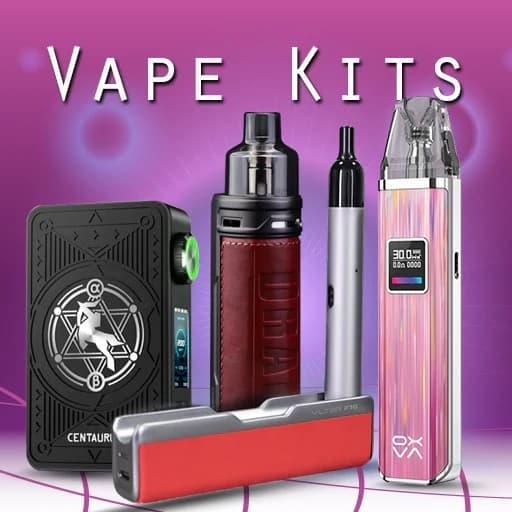
Practical guidance on measuring Vape patterns and the e-cigarette dependence scale
This comprehensive guide explores how to measure vaping behavior, interpret an e-cigarette dependence scale, and adopt pragmatic user strategies to reduce cravings. Whether you are a clinician, a counselor, a researcher, or a vaper seeking to better understand personal use, this content explains evidence-informed measurement methods, simple behavioral tactics, and device-centered adjustments that together form a robust roadmap to assess and manage Vape dependence. The goals are clear: 1) give you practical measurement tools to quantify dependence; 2) describe validated questionnaires and dynamic metrics; 3) offer step-by-step reduction strategies that target craving frequency, intensity, and context.
Why measuring use matters
Quantifying Vape use and scoring an e-cigarette dependence scale are essential steps for tracking progress, tailoring interventions, and evaluating outcomes. Unlike combustible tobacco, vaping delivers varied nicotine doses depending on device, e-liquid strength, and user puffing behavior. Therefore, combining subjective questionnaires with objective tracking (puff counters, liquid consumption logs, device wattage records) leads to a richer, more actionable assessment.
Key domains to measure
- Frequency: times per day and number of sessions; log each session with approximate start/end times.
- Intensity: average puffs per session and duration of inhalation; consider using device puff counters or smartphone-connected devices.
- Time to first vape: minutes from waking to first use — a potent marker of dependence similar to “time to first cigarette”.
- Craving strength: use visual analog scales (0–10) or short craving questionnaires immediately before and after vaping episodes.
- Situational triggers: social, emotional, habitual, or sensory cues that precipitate use.
- Nicotine dose: e-liquid concentration (mg/mL) x estimated daily volume consumed — estimate mg/day to compare to tobacco cigarettes.
- Withdrawal symptoms: sleep disturbances, irritability, concentration problems, and other somatic symptoms when reducing or skipping use.
Validated instruments and practical adaptations
The most used formal tools include adaptations of cigarette dependence measures and dedicated e-cigarette scales. Examples include the Penn State Electronic Cigarette Dependence Index (PSECDI), modified Fagerström items adapted for vaping, and bespoke e-cigarette dependence scale questionnaires used in clinical studies. These instruments typically cover items such as urgency to vape, difficulty refraining in forbidden places, first-use timing, and nicotine strength preferences.
Sample adapted items for quick screening
- How soon after waking do you take your first puff? (0–60+ minutes)
- How many vaping sessions do you have per day?
- How many puffs in a typical session?
- Do you find it difficult to refrain from vaping in places where vaping is not allowed?
- When you try to stop, how soon do withdrawal symptoms appear?
Scoring and interpretation
Scoring systems vary but follow common principles: higher totals indicate stronger dependence. For example, a short 6–10 item scale may yield a raw score that is translated to categories such as low, moderate, and high dependence. Interpreting scores should always involve context — a low numerical score in a very high potency nicotine device may still indicate functional dependence, and vice versa.
Suggested interpretive bands (example)
- 0–4: Minimal dependence — experimentation or infrequent use.
- 5–9: Mild dependence — daily use but limited compulsion.
- 10–14: Moderate dependence — stronger cravings, some functional impact.
- 15+: High dependence — persistent cravings, withdrawal symptoms, and difficulty stopping.
Objective measures to complement self-report
Self-report is efficient, but combining it with objective indicators strengthens accuracy. Consider:
- Puff counters and device logs that record puffs and session timestamps;
- Tracking e-liquid consumption by measuring tank or bottle volume used over a given period;
- Recording device settings (wattage/temperature) that influence aerosol generation and nicotine delivery;
- Using expired-air CO is less useful for nicotine vaping specifically, but cotinine (salivary or urine) can provide biomarkers of nicotine exposure when biochemical verification is needed in research or clinical care.
Designing a monitoring plan
A practical monitoring plan can be set up in three phases: baseline measurement, short-term monitoring, and longitudinal follow-up. At baseline, complete a structured e-cigarette dependence scale alongside objective measures for 7–14 days. During short-term monitoring, capture daily logs of sessions, puffs, and craving scores. For longitudinal follow-up, repeat the scale at regular intervals (e.g., 1 month, 3 months, 6 months) and review changes in objective metrics.
Data use and privacy considerations
When collecting device logs or app-based monitoring, ensure clear privacy notices and participant consent. De-identified, aggregated metrics are generally sufficient for clinical decision-making and research and reduce privacy risk.
Evidence-based strategies to reduce cravings and modify Vape behavior
Measurement informs intervention. Below are layered strategies that incorporate behavioral, pharmacological, device-based, and environmental approaches. These strategies are adaptable based on dependence category determined by the e-cigarette dependence scale assessment.
Behavioral strategies
- Trigger mapping: keep a short diary for 7 days to identify patterns — which triggers (stress, alcohol, social situations) are most associated with vaping?
- Delay tactics: when a craving hits, use a 10–15 minute delay and engage in a brief distraction (walk, call, drink water). Cravings typically peak and subside within that window.
- Substitution planning: replace habitual hand-to-mouth motions with low-risk alternatives (flavored toothpicks, sugar-free gum, fidget tools) to decouple habit from nicotine reinforcement.
- Scheduled reduction: set a plan to reduce sessions per day by a defined percentage each week while monitoring with the scale and objective logs.
- Environmental restriction: designate vape-free zones (bedroom, workplace) to gradually reduce cues and opportunities for use.
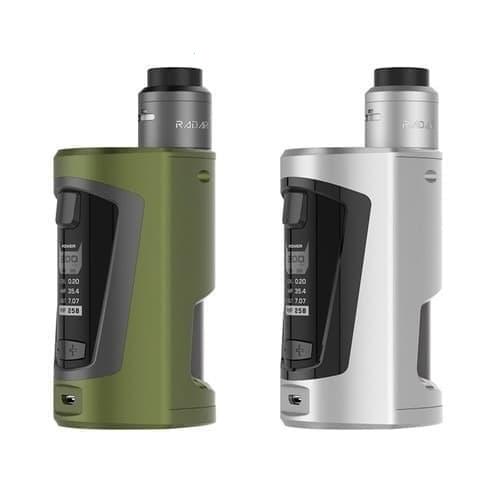
 Vape user strategies to reduce cravings” />
Device and nicotine dose management
Because nicotine delivery varies, altering device settings and e-liquid concentration purposefully can help manage exposure and cravings. Options include:
- Lower nicotine gradually: move from higher mg/ml to lower concentrations using step-down schedules informed by daily mg consumption estimates.
- Use devices with less efficient aerosolization: devices with lower wattage or tighter airflow often reduce nicotine per puff, which can help reduce physiological dependence when used intentionally.
- Controlled puffing: shorter puffs and longer intervals between puffs reduce nicotine intake; practice paced puffing during sessions.
Pharmacological and therapeutic aids
For people with moderate to high dependence scores, consider evidence-based aids: nicotine replacement therapy (NRT) such as patches, gums, or lozenges; prescription medications (varenicline, bupropion) where appropriate; and brief behavioral counseling or CBT-focused interventions. Collaborate with healthcare providers to customize pharmacotherapy to the individual’s nicotine exposure estimated from monitoring.
Psychological techniques to reduce craving intensity
- Mindfulness strategies: simple breathing exercises and urge surfing can reduce craving intensity by increasing tolerance for discomfort without acting on the urge.
- Cognitive reframing: identify automatic thoughts that justify vaping (e.g., “I need it to concentrate”) and practice tested counter-statements (“I can use a 5-minute break or a breath to refocus”).
- Motivational interviewing: clarify personal reasons for reduction, highlight discrepancies between goals and behavior, and set small change targets linked to values.
Social and contextual strategies
Change your social script. If certain friends or places are linked to vaping, plan alternate activities or disclose reduction goals to trusted peers who can support or avoid vaping around you. Structuring social environments — choosing smoke-free venues, engaging in non-vaping hobbies, and scheduling accountability check-ins — enhances success.
Tailored action plans by dependence level
Low dependence
Focus on habit disruption: limit flavored e-liquids that drive repeated sessions, impose device-free hours, and keep a simple use log. A weekly e-cigarette dependence scale check is often sufficient initially.
Moderate dependence
Combine behavioral tactics with device and nicotine adjustments. Use daily craving rating scales, schedule step-down of nicotine strength, and consider short-term NRT for high-risk times (e.g., mornings).
High dependence
Strongly recommend a comprehensive approach: pharmacotherapy with medical oversight, structured counseling, frequent monitoring with both subjective scales and objective logs, and potentially referral to specialized cessation services. Daily check-ins and tighter tracking of mg/day of nicotine exposure are critical.
Practical templates and tracking tools
To make measurement easy, implement templates you can copy into a notebook or an app: a 7-day tracking sheet with columns for date, first-use time, total sessions, puffs per session, nicotine mg/ml, estimated mg/day, craving score before and after use, and situational triggers. Automate when possible: use smartphone reminders to fill the log, synchronize device puff counters, and export device data for weekly review.
Common pitfalls and how to avoid them
- Underestimating nicotine dose: always convert e-liquid volume + concentration into mg/day to avoid surprise persistence of cravings.
- Relying on willpower alone: structured plans and environmental changes are more reliable than ad-hoc attempts.
- Flavour swapping without dose control: switching flavors can maintain the ritual and sensory reward even when nicotine is reduced, delaying progress.
Implementing change: step-by-step starter plan
- Baseline week: complete a validated e-cigarette dependence scale and an objective log (puffs and mL used each day).
- Set a specific, measurable goal: reduce sessions by 25% in week 2 and nicotine dose by one step (e.g., 18→12 mg/mL) in week 3.
- Adopt immediate craving tools: 10-minute delay, deep breathing, and a substitution object for hand-to-mouth action.
- Review progress weekly with your scale and device logs; celebrate small wins and troubleshoot setbacks.
- Adjust plan based on data: slow the reduction if withdrawal symptoms are severe; consider adding NRT or counseling if progress stalls.
Monitoring outcomes and success criteria
Define success with both process and outcome measures: process measures include fewer sessions per day, lower daily mg intake, and reduced craving scores; outcome measures include reduced dependence scale scores and improved daily functioning (sleep, concentration). Use monthly reassessment of the e-cigarette dependence scale for the first 6 months, then every 3 months for maintenance.
Resources for clinicians and program designers
Clinicians can integrate a brief Vape assessment into routine visits: a 3–5 minute screening using the most predictive items (time to first vape, inability to stop, daily sessions) flagged by a short scale. For program designers, combine digital self-monitoring tools, push-notification reminders for logging, and access to telehealth counseling for high-dependence users.
Case examples (short vignettes)
Case A: A daily social Vape user with mild dependence who reduced sessions by substituting gum during social outings and decreased nicotine strength over 6 weeks. Case B: A morning-centric heavy vaper whose baseline score indicated moderate dependence; after a combined approach of scheduled nicotine patch and behavioral delay tactics, the user halved daily mg intake within 3 months.
How to choose the right e-cigarette dependence instrument
Select a scale that balances brevity and psychometric rigor. For busy clinical settings, a 4–6 item screener focusing on urgency, time to first use, and inability to refrain is practical. For research or intensive clinical monitoring, use the full adapted scale with supplementary objective metrics.
Conclusion: measurement drives meaningful change
Accurate assessment using an e-cigarette dependence scale combined with objective monitoring enables individualized reduction plans. The strategies outlined — behavioral changes, device and dose adjustments, pharmacotherapy when appropriate, and regular monitoring — create a flexible toolkit to reduce craving frequency and intensity. The iterative cycle of measure → interpret → intervene → re-measure is the cornerstone of sustained progress.
FAQ
Q: How often should I complete an e-cigarette dependence scale?
A: For most users, complete a baseline assessment then repeat weekly during active reduction and monthly once stabilized. Increase frequency if using pharmacotherapy or experiencing heavy relapse risk.
Q: Can device puff counters replace self-report?
A: Not entirely. Puff counters are valuable objective sources but do not capture craving intensity, situational triggers, or nicotine strength — all important components of an e-cigarette dependence scale .
.
Q: Is it safe to taper nicotine by lowering e-liquid strength?
A: Yes when done gradually and with attention to withdrawal symptoms. Monitor mg/day to avoid compensatory puffing; consider combining a nicotine patch to smooth withdrawal if needed.