
Smart Buying Notes for Modern Vape Enthusiasts
Choosing the Right Vape System: Tanks, Coils and Flavor Priorities
If you are researching ways to upgrade vapor production, extend coil life or simply find the best balance of flavor and clouds, this longform guide is tailored to your needs. We’ll explore practical buying criteria for an e cigarette tank, compare tank types, analyze coil options, and provide technical yet accessible tips to improve both vape flavor and vapor density. Throughout this guide you’ll find clearly labeled sections, actionable checklists, and user-friendly troubleshooting advice. Whether you’re a seasoned cloud chaser or a flavor-first vaper, the ideas below will help you refine your setup and get the most from your device.
Why the tank matters: flavor, airflow and vapor
The atomizer and its housing — commonly the e cigarette tank — is the core component that determines how your e-liquid is transformed into vapor. A well-designed tank controls airflow, accurately positions coils and manages wicking; those variables directly impact throat hit, flavor fidelity, and cloud density. When you read product specs, pay attention to materials (stainless steel, glass, PEEK), capacity (2 ml to 8 ml), coil compatibility, airflow design (fixed vs adjustable), and fill method (top-fill vs bottom-fill). Each choice has trade-offs for portability, maintenance and performance.
Key buying criteria for an e cigarette tank
- Compatibility: Make sure the tank fits your mod’s 510 connector and that replacement coils are available for that specific model. Using mismatched coils or adapters can cause poor wicking or unsafe resistance readings.
- Coil types: Sub-ohm (for direct-lung), higher-resistance (for mouth-to-lung), mesh vs single wire vs clapton — each produces different flavor and surface area for vaporization. Mesh coils usually offer faster, more even heating and improved flavor.
- Airflow control: Look for precise AFC (adjustable airflow control). Restricted airflow emphasizes flavor; wide-open airflow supports dense clouds.
- E-liquid capacity: Larger tanks mean fewer refills but more bulk. If you prefer high-VG juices that are thicker, opt for tanks with larger wicking ports.
- Fill design: Top-fill tanks are the most convenient and reduce leaking risk when refilling. Bottom-fill designs may require removal from the mod.
- Build quality and materials: Glass (Pyrex/Thermal) is common for juice windows; metal options reduce break risk. Check O-ring quality and the stability of deck and chimney connections.
- Rebuildable vs prebuilt coils: If you like to customize resistance and wicking, an RTA/RDTA may be best. For easy maintenance and predictable performance, prebuilt coil tanks are convenient.
Breaking down tank types
There are several main categories, each aligned with a user profile:
- Tank with replaceable prebuilt coils: Best for beginners and convenience-focused vapers. Examples include sub-ohm tanks designed for high-wattage mods.
- Rebuildable Tank Atomizers (RTA/RDTA): For tinkerers who prioritize flavor and customization — they require manual coil builds and careful wicking.
- Pod tanks and pod systems: Compact, usually low-power, often use replaceable pods rather than traditional tanks — ideal for nicotine salt e-liquids and discreet vaping.
- Top-coil vs bottom-coil: Bottom-coil typically wicks more efficiently and is favored for flavor; top-coil designs can be simpler but sometimes less efficient for high-VG e-liquids.
Coil technology and its influence on flavor
The choice of coil wire and build determines ramp-up time, surface area, and heat distribution — all essential for flavor extraction. Mesh coils, with a distributed surface, tend to heat evenly and provide consistent flavor across the coil’s life. Traditional round-wire builds and complex wraps like claptons offer increased surface area but can create hot spots if not wicked properly. Ceramic coils can provide long life and purer flavor but often need specific wattage ranges and careful priming.
Wicking: the overlooked variable
Proper wicking is essential for consistent flavor and to avoid dry hits. Use the correct cotton density: too tight and wicking is restricted (dry vape), too loose and the coil floods (spitback). When building or installing coils, prime the wick and let the liquid saturate the cotton for several minutes before firing. Adjusting your puff duration and wattage can compensate for wicking speed differences.
Optimizing flavor vs optimizing clouds
These two goals often conflict. To maximize flavor, choose higher resistance coils, restricted airflow, and slightly lower wattage in the coil’s recommended range. For voluminous vapor, use sub-ohm coils, high wattage, and wide-open airflow paired with high-VG e-liquids. Fine-tuning includes tweaking coil position, adjusting airflow, and switching to mesh coils if flavor initially seems muted.
Detailed checklist before you buy
- Confirm mod compatibility and 510 connection stability.
- Check coil availability and price — some proprietary coils are expensive and hard to source.
- Compare user reviews focused on flavor and coil lifespan rather than solely aesthetics.
- Assess maintenance complexity: can you disassemble the tank, replace O-rings, and clean the chimney easily?
- Verify warranty and spare parts availability (glass tubes, replacement tops, coils).
How to prime coils to maximize lifespan and flavor
Coil priming is quick but crucial. Steps: 1) Place a few drops of e-liquid directly onto the exposed cotton and inside the coil barrel. 2) Assemble the tank without closing the airflow completely. 3) Take 3–5 gentle primer puffs (no firing) to pull liquid into the wick. 4) Fill the tank and wait 5–10 minutes to ensure full saturation. 5) Start at low wattage and gradually increase to your target setting over several puffs. This reduces the risk of burnt cotton and helps the coil deliver its intended flavor profile.
Choosing the right e-liquid for flavor clarity
Not all e-liquids behave the same. PG (propylene glycol) carries flavor more efficiently and creates a stronger throat hit; VG (vegetable glycerin) provides thicker vapor and slightly mutes subtle flavor notes. For flavor-first setups, consider balanced, 50/50 to 60/40 PG/VG mixes. For cloud-chasing sub-ohm setups, high-VG (70% and up) is preferred. Nicotine salts behave differently too: they are smoother at higher nicotine strengths and are perfect for low-power pod tanks.
Practical wattage and temperature guidelines

Manufacturers typically provide a recommended wattage range on coil packaging. Start at the lower end and increase slowly until you find the sweet spot. For mesh coils, many users find optimal flavor in the mid-to-high range of the recommended wattage. If your device supports temperature control (TC) and you use TC-compatible wire (Ni200, Ti, or SS in TC mode), TC can prevent dry hits and extend coil life by limiting maximum temperature.
Airflow tuning for flavor optimization
Airflow adjustments change vapor density and flavor concentration. For a tighter, flavor-rich draw, close the airflow down and use lower wattage. For airy, voluminous vapor, open the airflow and raise the wattage. Small incremental changes are recommended; big changes make it harder to isolate which variable improved or worsened flavor.
Maintenance routines for longevity and performance
Simple maintenance steps keep your e cigarette tank delivering consistent performance: disassemble and clean every 1–2 weeks (soak glass and metal components in warm water; use a mild detergent if needed and rinse thoroughly), replace O-rings as they age, and change coils when flavor becomes muted or you experience a burnt taste. When switching juices with strong flavors, consider cleaning the tank thoroughly to avoid flavor carryover. Periodically check for thread wear on 510 connections and clean the contact pin with a cotton swab to ensure stable conductivity.
Leak prevention strategies
Leaks are often due to improper assembly, worn seals, or overfilling. Tips: ensure seals are seated correctly when reassembling, avoid overfilling past fill-line markers, tighten parts finger-tight (not overtightened), and check that coil threads and chimney are installed flush. Using high-quality replacement seals and replacing glass with reinforced tanks reduces breakage and leakage risks.
Safety: batteries, ohms law and charging
While this guide focuses on tanks, any discussion about performance must include battery safety. Always pair the tank’s expected power draw with a battery capable of continuous discharge at the required amperage. For regulated mods, use trusted chargers and avoid charging unattended. If using mechanical mods, follow strict Ohm’s Law calculations and prioritize experience or training before experimenting with low-resistance builds.
Practical comparison: prebuilt coil tanks vs RTAs
Prebuilt coil tanks are user-friendly and consistent; RTAs are flexible and potentially more economical long term. If you enjoy customizing airflow, coil type and wicking density, an RTA can be rewarding — but it requires skill and time. For many users, a high-quality prebuilt-coil tank with replaceable heads and a reliable air control provides the best combination of flavor and convenience.
Top tips to improve flavor and vapor quickly
- Use fresh, well-stored e-liquid. Old or oxidized juice often tastes flat.
- Clean the tank thoroughly when switching to a new juice flavor.
- Prime coils properly and allow saturation time before vaping.
- Experiment with airflow and wattage adjustments in small steps.
- Consider mesh coils for improved and consistent flavor extraction.
- Match the PG/VG ratio to your coil and tank design for optimal wicking.
How to evaluate reviews and spec sheets
When you read reviews, focus on long-form user experiences that detail coil life, flavor performance, and real-world leakage behavior. Skepticism is healthy: marketing blurbs may highlight certain numbers that don’t reflect day-to-day use. Inspect spec sheets for materials, coil resistance ranges, and fill methods. Reviews that include wattage settings, puff length and e-liquid type provide the most actionable insight.
Buying used: what to inspect
If purchasing a second-hand tank, check for thread damage, inspect the glass for chips, verify that airflow rings move smoothly, and confirm coil compatibility. Replace any worn seals and clean the tank before first use. Always verify the seller’s reputation and ask questions about the tank’s history — has it been used with high-sugar or thick juices that may have clogged passages?
Simple troubleshooting checklist
- No vapor or weak vapor: check battery charge, check coil resistance and 510 connection, verify airflow isn’t closed.
- Burnt taste: likely dry hit — prime the coil, ensure proper wattage, replace burnt coil.
- Gurgling or leaking: may be flooding — clear excess liquid, check seal integrity, ensure proper wick density.
- Muting or poor flavor: clean tank, replace coil, try different wattage or airflow settings.
Glossary of essential terms
- Sub-ohm
- Coil resistance below 1.0 ohm, usually for high-wattage direct-lung vaping.
- Mesh coil
- A coil made of a mesh sheet that heats evenly and typically boosts flavor.
- PG/VG
- Propylene glycol and vegetable glycerin, the two primary base liquids that determine throat hit and vapor density.
Quick product selection framework
To decide quickly, ask: 1) What draw style do I prefer (MTL vs DL)? 2) How often am I willing to change coils? 3) Do I want rebuildable or plug-and-play? 4) What wattage range am I targeting? Use these answers to filter tanks by coil type and airflow design.
Wrapping up: making the most of your Vape setup
The tank you choose and how you treat it will define your overall experience. Prioritize compatibility and coil availability, keep maintenance regular, and tune airflow & wattage to match both your nicotine strength and e-liquid composition. With proper priming, careful wick density and attention to battery compatibility, you can reliably enhance both flavor and vapor. This guide aimed to equip you with a well-rounded approach to selecting, optimizing and maintaining an e cigarette tank for the best possible performance.
Further learning resources
Explore manufacturer manuals for coil-specific wattage ranges, online community build guides for RTA instructions, and trustworthy review channels that include long-term coil life tests. Practice incremental adjustments and keep records of settings that work best for each coil type and e-liquid.
FAQs
Common Questions About Tanks and Flavor
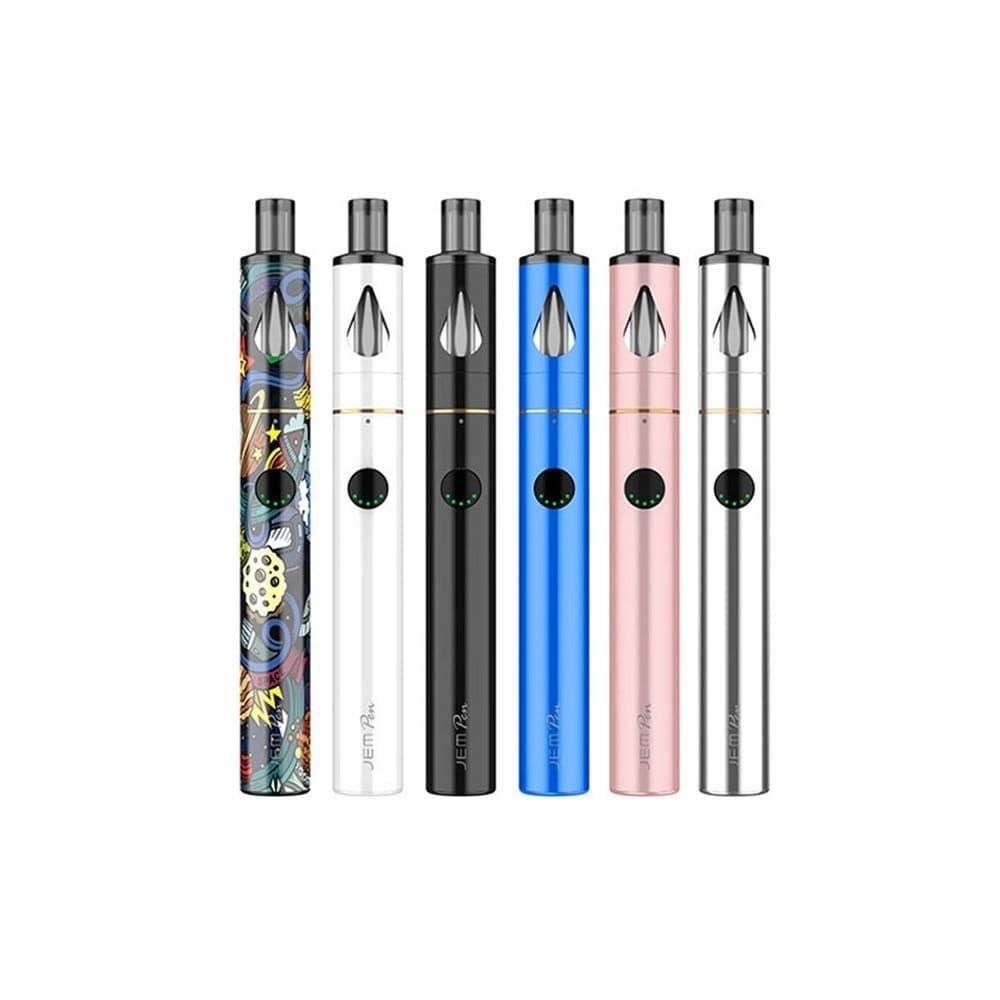
Answer: Coil life varies by usage, juice sweetness, and wattage. Typical coil lifespan ranges between 1 and 3 weeks; if you notice muted flavor or burned notes, replace it.
Answer: Not always. Higher wattage can increase warmth and vapor but may reduce nuanced flavor or burn the wick if you exceed the coil’s recommended range. Increase wattage slowly and observe the result.

Answer: No. High-VG juices are best in tanks with larger wicking ports and sub-ohm coils. Thin, high-PG liquids are better for MTL coils and pod systems. Check manufacturer guidance for juice compatibility.
Final note: thoughtful setup choices, consistent maintenance, and careful tuning will elevate your experience with any e cigarette tank — delivering better flavor, safer operation, and more satisfying vapor production. Keep experimenting responsibly and enjoy refining your personal Vape profile.