
E-cigareta insight: a clear guide to e cigarette effects on health
This comprehensive guide, developed to support informed choices, summarizes evolving scientific perspectives about E-cigareta and the broader topic of e cigarette effects on health. It is designed for consumers, clinicians, policy makers, and content managers seeking balanced, evidence-informed context. The aim here is not to repeat a headline but to break down research themes, explain mechanisms, and offer practical recommendations for anyone curious about how vaping and related products may influence short-term well-being and long-term health trajectories.
Why context matters: mapping research categories
When discussing e cigarette effects on health, it helps to classify evidence into several domains: toxicology and chemical exposure, respiratory and cardiovascular outcomes, addiction and behavioral impact, population-level trends (including youth initiation), and harm-reduction comparisons versus combustible cigarettes. Each domain uses specific study designs — from laboratory assays and biomarker studies to randomized trials and long-term cohort analyses — and each carries strengths and limitations that affect how conclusions should be interpreted.

Key takeaways at a glance
- E-cigareta products reduce exposure to many combustion-specific toxins compared with cigarette smoke, but they are not free of risk.
- Acute effects on airway irritation, heart rate, and blood pressure have been documented, and some users report persistent cough or wheeze after regular use.
- The long-term consequences of sustained inhalation of flavorings, solvents, and novel aerosol particles remain uncertain and require ongoing surveillance.
- Nicotine-containing products sustain dependence and can impact adolescent brain development, pregnancy outcomes, and cessation trajectories for smokers.
What laboratory science reveals
Mechanistic studies show that e cigarette effects on health are mediated by a mix of nicotine pharmacology, ultrafine particles, volatile organic compounds, carbonyls (like formaldehyde and acetaldehyde formed under certain device conditions), and additives used for flavoring. Device temperature, coil composition, wicking materials, and e-liquid constituents all influence the aerosol chemistry. Toxicology assays demonstrate oxidative stress and inflammatory signaling in exposed tissues in vitro, and animal models suggest potential for airway remodeling with chronic exposure. However, dose, duration, and species differences complicate direct extrapolation to human health outcomes.
Respiratory and cardiovascular evidence
Clinical studies and observational cohorts indicate that many users report immediate respiratory symptoms after vaping sessions — throat irritation, coughing, and shortness of breath — and objective tests sometimes detect small changes in airway resistance and exhaled biomarkers of inflammation. Cardiovascular research highlights transient elevations in heart rate and blood pressure related to nicotine absorption. Long-term cohort data evaluating chronic obstructive pulmonary disease, heart attack, stroke, and other major diseases are still emerging; therefore, conclusions about lifetime risk remain provisional. Public health assessments emphasize the need to distinguish short-term physiologic responses from long-term disease endpoints when evaluating E-cigareta and e cigarette effects on health.
Nicotine, addiction, and behavioral impacts
Nicotine is the principal addictive substance in many vaping products. Regular use can establish dependence patterns, making cessation more difficult for some individuals. Adolescents and young adults are particularly vulnerable: nicotine exposure during neurodevelopment can affect attention, learning, and impulse control. For adults who are switching from combustible cigarettes, some studies show that e-cigarettes may help reduce cigarette consumption or facilitate quit attempts, but results are mixed and depend on product type, nicotine concentration, user motivation, and behavioral support. The balance between potential benefit for adult smokers versus population harm from youth initiation is central to policy debates surrounding E-cigareta and related products.
Toxicants and flavorings: what to watch
Flavoring chemicals that are safe to eat are not automatically safe to inhale. Compounds such as diacetyl and certain aldehydes have been associated with respiratory injury in occupational settings; their presence at variable levels in some e-liquids raises concerns. Metals from heating elements can leach into aerosols, and particle size distributions influence deep lung deposition. While nicotine-free e-liquids reduce specific chemical exposures, they may still deliver ultrafine particles and flavoring agents that provoke airway inflammation. Consumers should be aware that product diversity means risk is not uniform across brands or device types.
Comparative risk: e-cigarettes versus combustible tobacco
Harm-reduction frameworks view aerosol products as potentially less harmful than regular smoking because they avoid combustion. Indeed, many toxicants found in cigarette smoke are present at markedly lower levels in e-cigarette aerosols. However, reduced exposure does not equate to no risk, and the long-term avoidance of smoking-related diseases cannot yet be guaranteed for lifelong vapers. For clinicians advising smokers, the conversation often includes balancing immediate benefits of switching (reduced exposure to known carcinogens and tar) against uncertainties about chronic inhalation of novel compounds and sustained nicotine use.
Population trends and youth considerations
One of the most concerning public health signals has been the rapid uptake of flavored vaping products among adolescents and young adults. Youth who use e-cigarettes risk nicotine addiction and are more likely in some studies to progress to combustible cigarette use. Regulatory measures that limit youth access, regulate flavors, and impose age verification aim to reduce initiation while preserving potential adult access for cessation. Monitoring systems now track prevalence, product types, and emerging issues (such as disposable flavored devices and online sales) to inform responsive policies.
Practical tips for users and clinicians
- Understand the product: nicotine level, device type, and e-liquid composition all matter.
- If the goal is smoking cessation, combine behavioral support with carefully selected products and consider evidence-based pharmacotherapies when appropriate.
- Pregnant individuals, adolescents, and non-smokers should avoid nicotine-containing products due to risks to fetal development and brain maturation.
- Seek medical advice if new or worsening respiratory or cardiovascular symptoms develop after vaping.
- Prefer regulated products with transparent ingredient lists and avoid modifying devices or using unverified substances in e-liquids.
Communicating risk effectively
Effective communication about e cigarette effects on health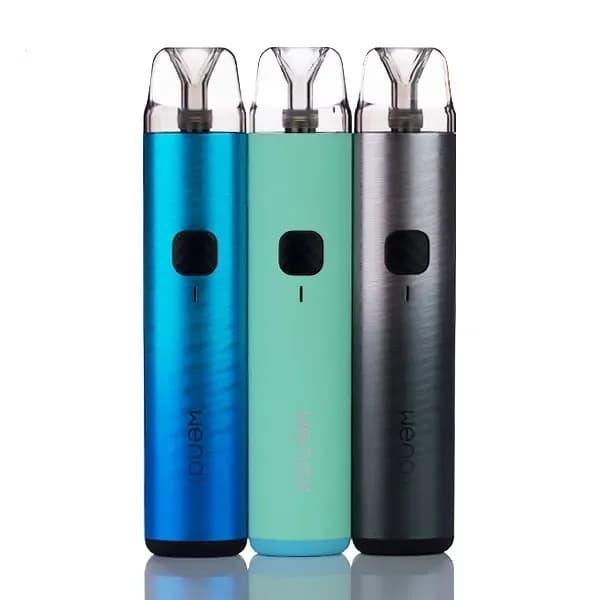 should be transparent about uncertainties, avoid alarmist claims, and provide actionable guidance tailored to individuals. Messaging that distinguishes relative risk (compared to smoking) from absolute safety (for never-smokers) is vital. Health professionals should frame discussions around patient goals (e.g., quitting smoking, reducing combustible tobacco exposure) and support evidence-based transitions when clinically appropriate while discouraging uptake among those who would otherwise remain tobacco-free.
Research gaps and priority questions
Major unanswered questions include: What are lifetime risks of exclusive long-term vaping? How do specific flavoring agents and device chemistries influence disease risk? What regulatory and product standards best reduce population harm? High-quality longitudinal studies, standardized toxicology protocols, and surveillance of new product types are needed to refine estimates of E-cigareta impacts and to guide policy. Continued investment in independent research will help separate hype from reliable evidence and inform pragmatic harm-reduction strategies.
How to evaluate new studies you encounter
Not all studies are equal. When assessing research about e cigarette effects on health, consider study design (randomized trial vs cross-sectional survey), sample size, participant characteristics (age, smoking status), exposure measurement quality (self-report versus biomarker), and conflict of interest declarations. Meta-analyses and systematic reviews that synthesize multiple high-quality studies offer stronger inference than isolated reports. Be cautious with preprint results that have not undergone peer review and with industry-funded research lacking transparent methodology.
Regulatory landscape and implications
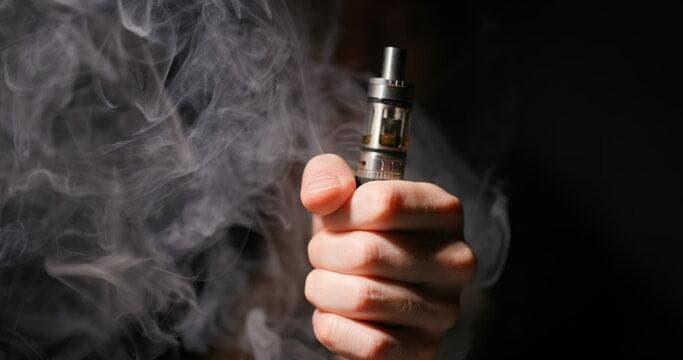
Global approaches vary: some regions prioritize strict flavor bans and product restrictions to curb youth use, while others emphasize regulated adult access for smoking cessation. Product standards — such as nicotine concentration limits, child-resistant packaging, and ingredient disclosures — can mitigate some risks. Public health policy must weigh immediate population-level benefits of cigarette displacement against long-term uncertainties and the potential for new patterns of nicotine dependence.
Summary recommendations
- For current smokers: switching completely to regulated e-cigarette products may reduce certain exposures, but complete cessation of all nicotine products remains the optimal health goal.
- For non-smokers, adolescents, and pregnant people: avoid e-cigarette use due to known and potential harms.
- For clinicians and health communicators: present balanced, evidence-based information that acknowledges uncertainties and supports individualized care plans.
In closing, the evolving body of evidence points to a nuanced picture: E-cigareta and similar devices can alter exposure profiles relative to smoking, and some adult smokers may experience harm reduction when they fully transition; however, the spectrum of e cigarette effects on health includes acute respiratory responses, nicotine dependence risks, and unresolved long-term consequences associated with inhaling flavoring agents and engineered aerosols. Ongoing high-quality research, sensible regulation, and clear public messaging are essential to minimize harms while maximizing any potential benefits for tobacco control.
FAQ

Q: Are e-cigarettes completely safe?
A: No product involving inhalation of chemical aerosols can be considered completely safe. While many toxicants are reduced compared with cigarette smoke, uncertainty remains about long-term inhalation of flavorings and novel particles.
Q: Can e-cigarettes help me quit smoking?
A: Some smokers have successfully used e-cigarettes to quit or reduce combustible tobacco use, particularly when combined with behavioral support, but results vary and evidence is mixed across studies.
Q: What should parents tell their teens?
A: Parents should emphasize that nicotine harms adolescent brain development, that many flavored products are designed to appeal to youth, and that avoiding all nicotine products is the healthiest choice.
Keywords: E-cigareta, e cigarette effects on health