
A practical guide to quitting smoking with alternatives and support
If you are exploring strategies to move away from combustible tobacco, the landscape of tools and behavioral supports can appear complex and sometimes contradictory. This guide focuses on understanding modern alternatives, evidence-based pathways to cessation, and step-by-step tactics you can apply right away. In particular, many people are curious about the role of branded electronic nicotine options such as e-cigaretta bolt and broader questions like how do e cigarettes help you quit. Below we evaluate mechanisms, practical tips, and personalized planning so you can make informed choices rather than rely on myths or ads.
Why people look for alternatives to smoking
Smoking cigarettes creates a powerful combination of nicotine dependence, conditioned behaviors, and social or emotional triggers. Successful quitting usually requires addressing all three elements: the chemical addiction, the routines that reinforce smoking, and the cues that prompt a cigarette. Alternatives aim to reduce the harm from combustion while offering nicotine delivery, sensory cues, or behavioral replacement to make the transition manageable.
How nicotine alternatives work: the basics
The key principle behind substitutes is to separate nicotine delivery from the health risks of burning tobacco. Nicotine itself is addictive but is not the primary cause of smoking-related disease; inhaling smoke exposes the lungs and cardiovascular system to tar, carbon monoxide, and numerous carcinogens. Nicotine replacement therapies (patches, gum, lozenges), prescription medicines, and modern electronic systems attempt to maintain nicotine at a level that reduces withdrawal symptoms while lowering exposure to toxic combustion products.
How do e cigarettes help you quit: mechanisms and evidence
When people ask “how do e cigarettes help you quit”, they are usually interested in three mechanisms: nicotine replacement, behavioral substitution, and gradual tapering. Electronic nicotine delivery devices can mimic the hand-to-mouth action, throat sensation, and aerosol inhalation of smoking. For some smokers this sensory similarity reduces the abruptness of change and helps maintain routines while gradually lowering nicotine strength or frequency. Clinical trials and observational studies offer mixed but increasingly supportive evidence: some randomized trials show that e-cigarettes can be more effective than traditional nicotine replacement for some smokers when combined with behavioral support. Large public health reviews emphasize that while not risk-free, many e-cigarette products deliver fewer toxins than combustible cigarettes and can help adult smokers who completely switch.
Practical explanation of the quitting process
Think of quitting as three overlapping phases: preparation, active transition, and maintenance. Each phase benefits from planning and the right combination of products and support. Preparation includes choosing the right device and nicotine strength, identifying personal triggers, and setting a realistic quit plan. Active transition is where substitutes like e-cigaretta bolt might be useful for some users: they can satisfy sensory cues while allowing users to manage nicotine intake. Maintenance emphasizes coping strategies, social supports, and periodic re-evaluation to prevent relapse.
Choosing a device and nicotine level
Devices vary by design: closed pod systems, refillable tanks, and disposable products each have different user experiences and cost profiles. Key factors to consider include:
- Nicotine concentration: Higher concentrations may better control urges but can prolong dependence if the goal is to taper. Lower concentrations can be used to step down nicotine over time.
- Delivery characteristics: Some devices produce more throat hit or vapor; these sensations can matter for behavioral satisfaction.
- Usability and reliability: A device that leaks, requires frequent maintenance, or is hard to use will undermine your efforts.
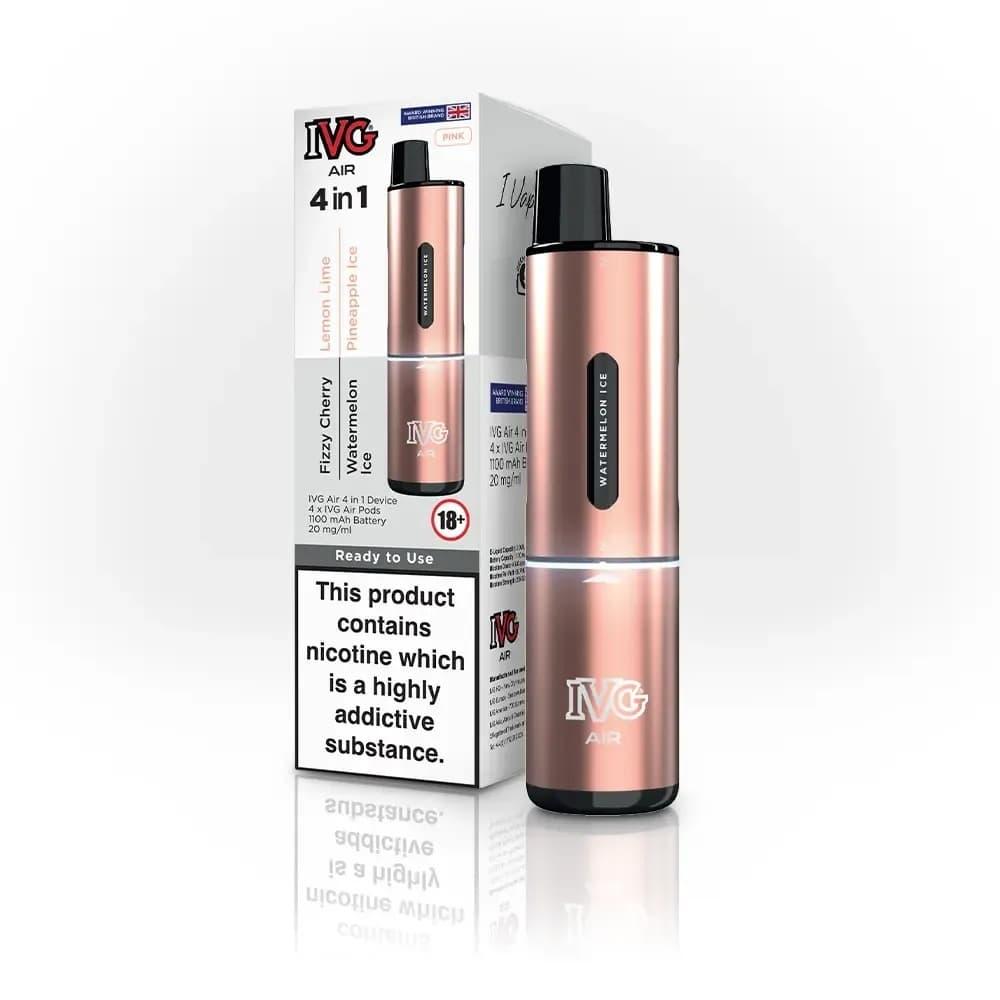
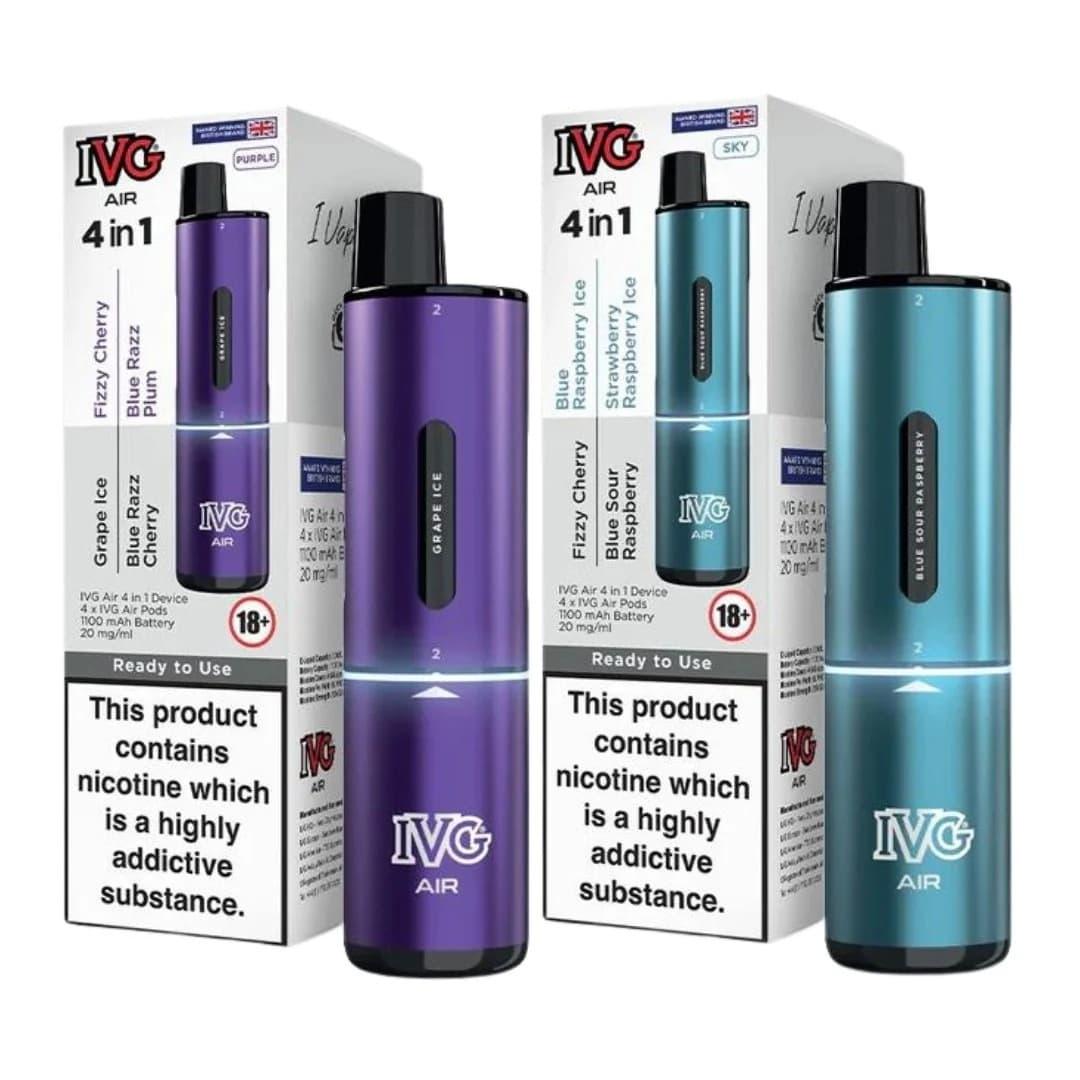
Brands such as e-cigaretta bolt position themselves with specific formulations and design features; if you choose a particular product, pay attention to nicotine strength, ingredient transparency, and compliance with local regulations.
Step-by-step plan to use e-cigarettes as a quitting aid
- Set a quit goal and timeline: Decide whether you will switch completely on a target quit day or transition over weeks. Clear goals help track progress.
- Choose an appropriate nicotine level: Start at a level that prevents strong withdrawal; you can reduce dose gradually every 1-3 weeks depending on comfort.
- Match behavioral cues:
 Replace rituals—if you smoke after meals, replace that cigarette with a short vaping session or an alternative routine like walking.
 - Track triggers and responses: Keep a brief log of urges, situations, and what you did instead. This helps refine strategies over time.
- Use behavioral support: Counseling, quitlines, or digital programs substantially increase success rates when paired with nicotine alternatives.
- Plan for tapering: Have a realistic schedule to reduce nicotine strength and frequency, working toward complete cessation if that is your goal.
Practical quitting tips that complement nicotine alternatives
Success rarely depends on a single product. Combine device-based substitution with cognitive and behavioral tools:
- Delay tactics: When an urge hits, wait 10-15 minutes while practicing breathing; many urges pass in this window.
- Environmental changes: Remove ashtrays, change seating areas, and ask household members for temporary support.
- Habit replacement: Keep oral substitutes handy (gum, mints, toothpicks) to replace hand-to-mouth rituals.
- Physical activity: Short walks or light exercises can break cravings and improve mood.
- Mindfulness and breathing: Simple techniques reduce stress-induced smoking episodes.
Medical supports and when to seek them
For many smokers, combining pharmacotherapy (varenicline, bupropion) with nicotine alternatives enhances outcomes. If you have significant withdrawal symptoms, mental health concerns, or heavy dependence, consult a healthcare professional. They can tailor a plan that may include prescription medications, behavioral therapy, or supervised reduction strategies.
Risks, safety, and informed choices
No nicotine delivery method is completely without risk, especially for youth, pregnant people, and never-smokers. For adult smokers, the central risk comparison is between continued smoking and switching to non-combustible alternatives. E-cigarettes are not harmless, but switching completely from combustible tobacco to a regulated e-cigarette generally reduces exposure to many of the chemicals that cause cancer and lung disease. Be mindful of device quality, ingredient transparency, and local legal standards. Avoid modifying devices, mixing unverified liquids, or using recreational substances in nicotine devices.
Addressing common misconceptions
Myth: “E-cigarettes are a safe pastime.” Reality: They reduce harm compared to smoking but still carry risks.
Myth: “Using an e-cigarette means you’ll never quit nicotine.” Reality: Many users successfully taper off nicotine using step-down strategies.
Myth: “NRT is better than electronic options for everyone.” Reality: Different people respond differently; some succeed more readily with electronic devices because of the behavioral similarity to smoking.
Monitoring progress and preventing relapse
Track success metrics that matter to you: cigarettes per day, craving intensity, and number of smoke-free days. Reward milestones and revisit your action plan when challenges arise. Relapse is common and not a failure: analyze what triggered it, adjust your plan, and restart with new lessons.
When complete cessation is the goal
Many users use electronic alternatives as a bridge to full nicotine freedom. A practical taper timeline might reduce nicotine concentration every 2-4 weeks and also reduce the number of daily sessions. Behavioral shifts—new routines, social supports, and coping strategies—should progress alongside nicotine reduction so that the transition to nicotine-free life is supported by habits that replace smoking.
Tailoring approaches for different smokers
Light or occasional smokers may prefer short courses of behavioral therapy and low-dose NRT, while heavy long-term smokers may need staged transitions and possibly medical therapies. Young adults and pregnant people require specialized guidance; e-cigarette use is generally discouraged for non-smokers and those in pregnancy. For those with mental health disorders or substance use histories, coordinate with healthcare providers to ensure safety and efficacy.
Practical checklist before you start
- Decide on your quit date and tell supportive friends or family.
- Choose a device or therapy and obtain supplies (including lower-nicotine backups).
- Plan behavioral substitutions for common triggers.
- Arrange counseling or support resources.
- Prepare for withdrawal symptoms and a taper plan.
How to evaluate success and make data-driven changes
Use simple metrics: days smoke-free, cigarettes avoided, mood changes, and side effects. If cravings persist despite high nicotine levels, consider higher-dose NRT or medical assessment. If side effects or device problems occur, switch products or consult a professional. Objective measures—like CO monitoring or cotinine testing when available—can help verify progress and motivate continued change.
Final considerations and realistic expectations
Quitting is rarely linear. Expect setbacks and celebrate small wins. If you opt to use products such as e-cigaretta bolt or other devices, do so as part of a broader, evidence-based plan that includes behavioral supports and a clear pathway toward reduced dependence. Understanding how do e cigarettes help you quit means recognizing both their potential benefits and limits: they can reduce harm for many adult smokers but are not a guaranteed or universal solution.
Key takeaways
- Nicotine alternatives separate nicotine delivery from the harms of combustion.
- Behavioral support significantly improves success whether you use NRT, prescription meds, or electronic devices.
- Products like e-cigaretta bolt may help by replacing rituals and controlling nicotine, but intentional tapering and coping strategies are required for full cessation.
- Always prioritize safety, quality, and professional guidance when needed.
Additional resources and next steps
Find local quitlines, smartphone apps, and counseling services that align with your goals. Discuss options with your clinician to build a personalized plan and monitor progress. Combining pharmacologic aids with behavioral supports yields the best long-term results for many smokers.
- Q: Can anyone use an e-cigarette to quit smoking? A: E-cigarettes are intended for adult smokers seeking an alternative to combustible cigarettes; they are not recommended for non-smokers, youth, or pregnant people. Discuss medical circumstances with a provider.
- Q: How long should I use an e-cigarette before trying to stop nicotine entirely? A: There is no one-size-fits-all timeline. Many users plan 3-6 months of transition with incremental nicotine reductions, while others need longer. The focus should be on readiness and gradual tapering.
- Q: Are some products better than others? A: Product quality, ingredient transparency, nicotine delivery consistency, and device reliability matter. Choose regulated, well-reviewed products and avoid modifications.
If you would like a personalized quitting plan or help comparing alternatives, compile a brief history of your smoking pattern (cigarettes per day, longest quit attempt, typical triggers) and consult a healthcare professional or certified cessation counselor for tailored advice. Understanding the mechanisms and combining tools thoughtfully increases your chances of a sustained smoke-free life.