Understanding Liquids and Their Role in Smoking Cessation
In recent years, liquids used in electronic cigarettes have sparked considerable interest, especially regarding their potential to aid in quitting traditional smoking. These liquids, also known as e-liquids or vape juices, are essential components in e-cigarettes, providing the nicotine delivery as well as the flavor sensation that users experience. This article delves deeply into how these liquids impact the effectiveness of e-cigarettes as tools for smoking cessation and examines the broader implications of their use.
What Are Liquids in E-Cigarettes?
The term liquids refers to the mixture inside e-cigarettes consisting primarily of propylene glycol (PG), vegetable glycerin (VG), nicotine, and various flavorings. The balance between PG and VG affects vapor production and throat hit, crucial factors that influence user satisfaction. Nicotine concentration, typically expressed in milligrams per milliliter (mg/mL), varies significantly according to consumer preference, affecting dependency and the quitting process.
Nicotine Delivery Through Liquids and Smoking Cessation
One of the core questions regarding the use of e-cigarettes for quitting smoking relates to whether these products, with their nicotine-containing liquids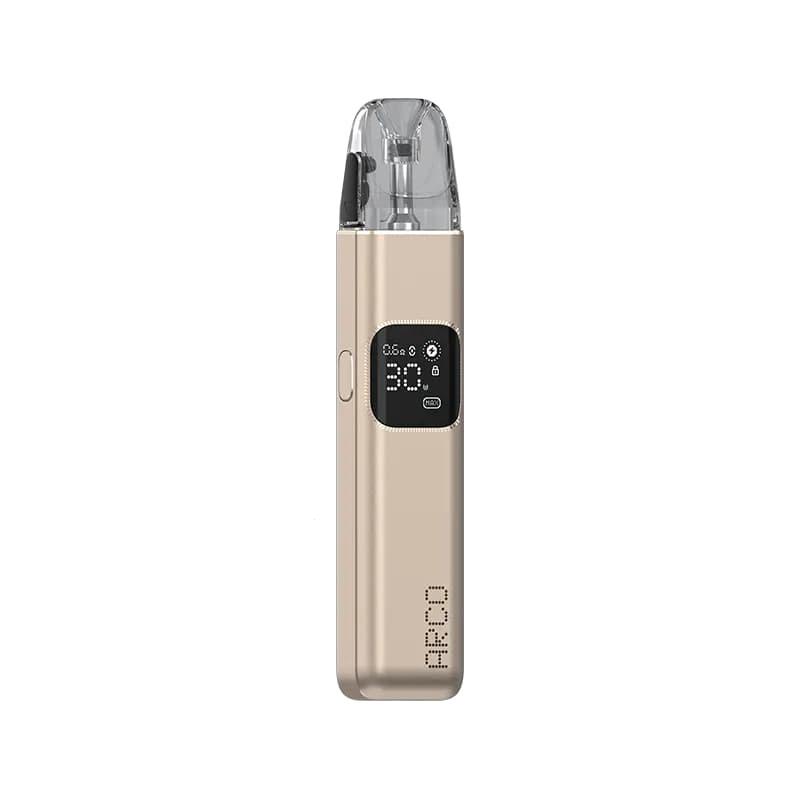 , effectively reduce cigarette consumption. Scientific evidence suggests that nicotine delivery via e-cigarette liquids can mimic traditional cigarettes to some extent, helping smokers to manage withdrawal symptoms and cravings. However, effectiveness highly depends on the nicotine level and the user’s behavior.
Impact of Varying Nicotine Strengths
The experience of liquids can differ substantially depending on nicotine strength. For example, higher concentrations may satisfy cravings more rapidly but could pose challenges for long-term cessation due to maintained nicotine dependency. Conversely, lower nicotine strengths in liquids might support gradual reduction but sometimes lead to continued dual use of e-cigarettes and cigarettes.
Flavor Profiles and Their Influence on Quitting Success
Flavorings in liquids are pivotal in user satisfaction, potentially influencing the success rate of smokers transitioning away from combustible tobacco. The variety—from tobacco and menthol to fruit and dessert flavors—can enhance the appeal, making it easier for smokers to sustain the switch.
Moreover, flavors might help address sensory cravings not satisfied by nicotine alone, which is significant in a successful quitting journey.
How Liquids Impact Health and Safety Perceptions
Health concerns remain a critical factor for users considering e-cigarettes as a quitting aid. The composition of liquids and the resultant aerosol may contain fewer toxicants compared to cigarette smoke; yet, uncertainties about long-term effects persist. This perception influences smokers’ willingness to adopt e-cigarettes and thus affects cessation outcomes.
The Role of Behavioral and Psychological Factors
Beyond the chemical makeup of liquids, behavioral aspects such as hand-to-mouth action and inhalation mimicry offer significant psychological relief for smokers attempting to quit. E-cigarettes, enriched with various liquids, provide a sensory and habitual substitute, which can be as vital as nicotine replacement in promoting abstinence from traditional cigarettes.
Comparing E-Cigarettes with Other Smoking Cessation Tools
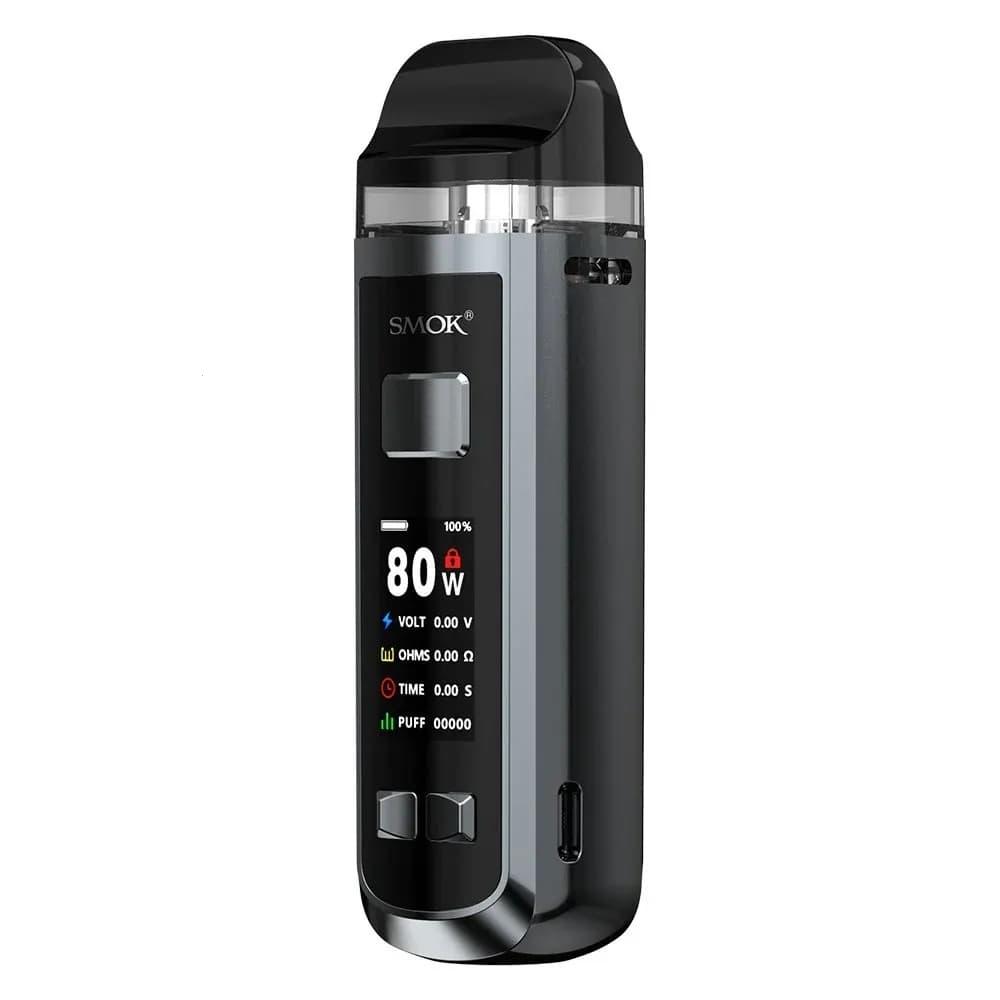 Liquids and Liquids Impact on Do E-Cigarettes Help Smokers Quit Effectively” />
Studies comparing the efficacy of e-cigarettes to nicotine replacement therapies (NRTs) like patches or gum highlight the nuanced influence of liquids. While NRTs deliver nicotine without flavors or vapor, e-cigarette liquids add sensory and behavioral layers, potentially making them more effective for certain populations. However, clinical guidance often emphasizes individualized approaches.
Challenges Associated with Liquids in Quitting
Despite potential benefits, some challenges include variability in liquid quality, lack of standard regulation, and potential for sustained nicotine consumption through e-liquids. These aspects can complicate cessation efforts and necessitate thorough patient education and support.
Future Perspectives on Liquids and Smoking Cessation
Ongoing research is vital to optimize e-liquid formulations for cessation efficacy while minimizing health risks. Innovations in controlled nicotine delivery, reduced harmful constituents, and personalized flavor profiles are promising areas for development. Regulatory frameworks will also shape how liquids contribute to public health strategies against smoking.
Conclusion: Are E-Cigarettes Equipped with Liquids Effective Aids in Quitting Smoking?
In conclusion, the effectiveness of e-cigarettes largely hinges on the characteristics of their liquids. Nicotine concentration, flavor diversity, and the physiological and psychological roles of vaping all contribute to their success in assisting smokers to quit. While not universally effective, e-cigarettes with appropriate liquids present a valuable alternative or complement to traditional cessation methods for many smokers.
FAQ: Understanding E-Cigarettes and Liquids
- Do liquids
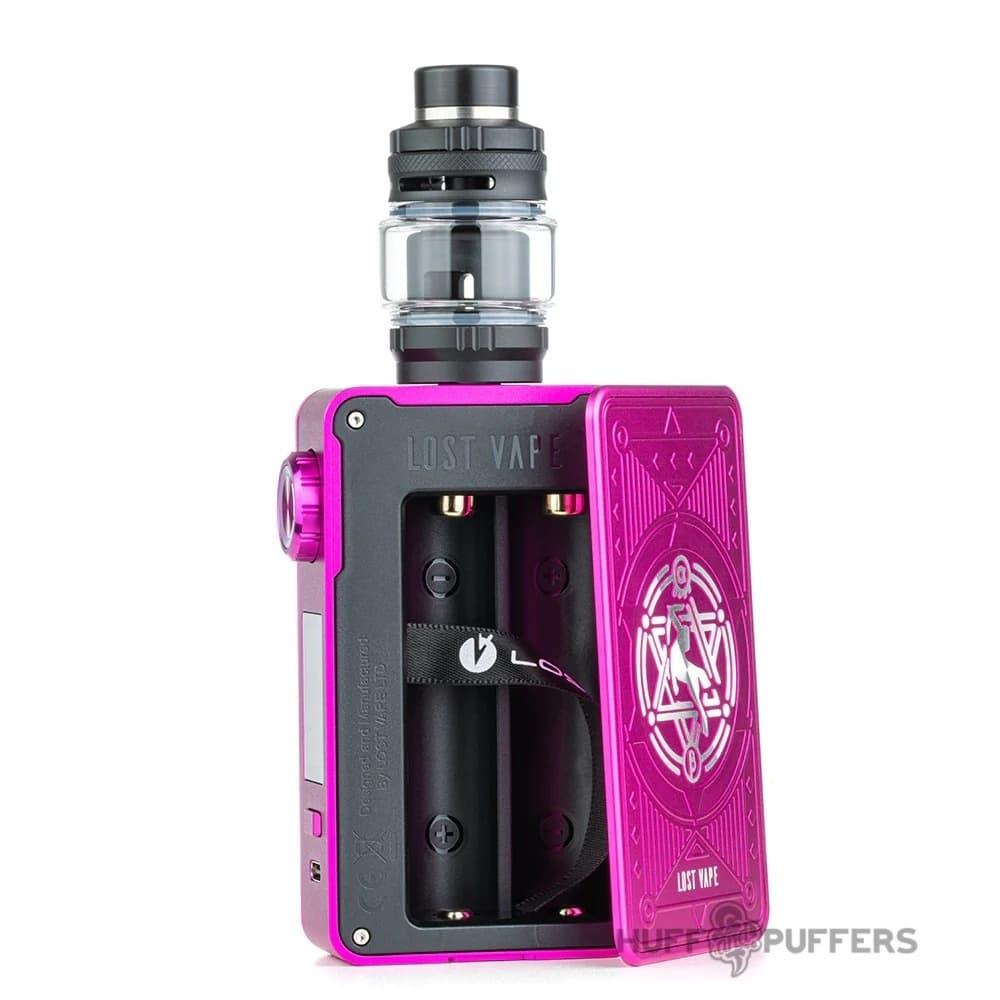 in e-cigarettes always contain nicotine?
 - Not necessarily. Many e-liquids come in nicotine-free versions, allowing users to gradually reduce dependence.
- Can flavorings in liquids affect quitting success?
- Yes, appealing flavors may encourage smokers to switch by enhancing user satisfaction and addressing sensory cravings.
- Are all liquids safe to use?
- While generally considered safer than cigarette smoke, the long-term safety of various flavors and additives remains under study.