
A Comprehensive E-Liquid Safety Guide: Insights into Chemicals in E Cigarettes
E-Liquid—the fluid that powers electronic cigarettes—has transformed the landscape of nicotine consumption around the world. As more users migrate to vaping, understanding the composition and safety dynamics of E-Liquid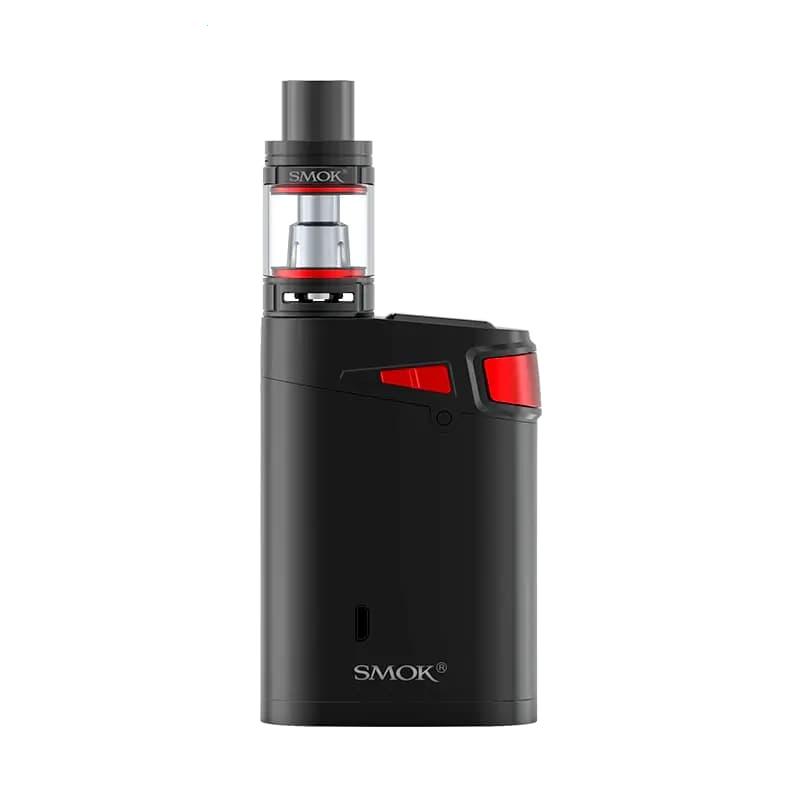 becomes essential. The popularity of e-cigarettes has fueled public curiosity and growing concern regarding the types of chemicals in e cigarettes and their long-term effects. From seasoned vapers to curious newcomers, knowledge is key to safer choices.
What Exactly Is E-Liquid?
The primary ingredient of every electronic cigarette is its E-Liquid. Typically, it contains a blend of humectants, flavoring agents, and optional nicotine. The base solution is usually made from either propylene glycol (PG), vegetable glycerin (VG), or a mixture of the two. These compounds play a critical role in vapor production and overall user experience. PG delivers a stronger throat hit and is popular with those seeking an experience similar to traditional cigarettes, while VG offers denser vapor and a smoother inhale. Ensuring quality and purity of these ingredients is crucial for health.
The Main E-Liquid Ingredients
- Propylene Glycol (PG): A synthetic organic compound commonly found in food and pharmaceuticals. It is colorless, has low viscosity, and is generally considered safe when ingested or inhaled in moderate quantities.
- Vegetable Glycerin (VG): Derived from plant oils, VG is thicker than PG and provides smoother clouds. It’s recognized for its sweet taste and benign reputation in food production.
- Nicotine: The addictive alkaloid that classifies e-cigarettes as a tobacco product. Nicotine levels in E-Liquid can vary from zero to high concentrations, giving users flexibility over their intake.
- Flavorings: These are the chemicals added to enhance taste and perfume the vapor. Food-grade flavorings are generally used, but not all are studied for inhalation safety.
Common Chemicals in E Cigarettes: What You Need to Know
While chemicals in e cigarettes often refer to the main constituents, vape juice may include additional traces arising from the manufacturing process, flavoring chemistry, or chemical interactions within the device. A few noteworthy chemicals include:
- Acetaldehyde & Formaldehyde
- These carbonyl compounds may be formed during high-temperature vaporization. They are classed as carcinogens, emphasizing the need for responsibly regulated devices and e-liquids.
- Diacetyl
- Once popular in buttery flavors, this compound can cause “popcorn lung” when inhaled in excessive quantities. Responsible manufacturers are increasingly phasing it out.
- Heavy Metals
- Device components may leach trace metals like nickel, lead, or chromium into the E-Liquid, especially at high wattages. Quality assurance is essential to minimize this risk.
- Other Flavoring Agents
- Some chemicals used for flavor, such as benzaldehyde or ethyl maltol, have limited studies available concerning inhalation toxicity. The variety and combination of these chemicals in e cigarettes can affect both safety and flavor profile.
Are All E-Liquid Chemicals Safe?
The debate about the safety of inhaling various chemicals in e cigarettes is ongoing. The regulatory framework lags behind rapid innovation, leaving a gap for comprehensive studies into long-term effects. While PG, VG, and food-grade flavorings are regarded as generally safe for ingestion, their safety profile may differ when vaporized and inhaled.
Legal and Regulatory Aspects
Countries and jurisdictions differ in regulating E-Liquid and the chemicals permitted in e cigarettes. The European Union, for instance, enforces strict requirements to limit potentially hazardous compounds, while in other regions controls may be less stringent. When choosing an E-Liquid, opt for products that submit to laboratory testing, provide clear labeling, and comply with established standards. Third-party certifications, ingredient transparency, and batch tracking enhance consumer trust and safety.
Best Practices for Safer E-Liquid Usage
- Only purchase E-Liquid from reputable brands committed to ingredient transparency.
- Avoid modifying your e-cigarette device beyond manufacturer recommendations to reduce the risk of increased toxic chemical generation.
- Store E-Liquid in a cool, dry place, away from direct sunlight and out of reach of children and pets.
- Check for batch numbers, safety seals, and clear labeling indicating all chemicals in e cigarettes.
- Be wary of custom-mixed E-Liquids from unknown sources or homemade mixtures which may lack quality assurance.
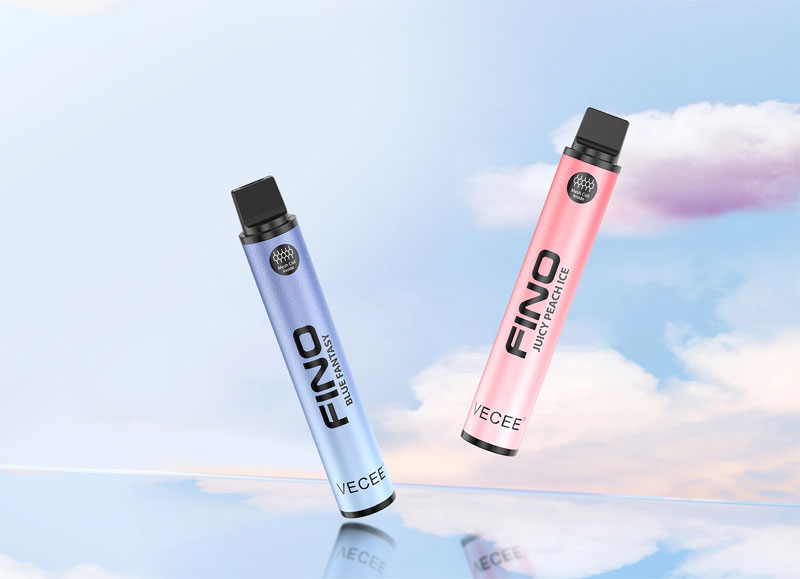 E-Liquid Safety Guide Understanding E-Liquid and Common Chemicals in E Cigarettes” />
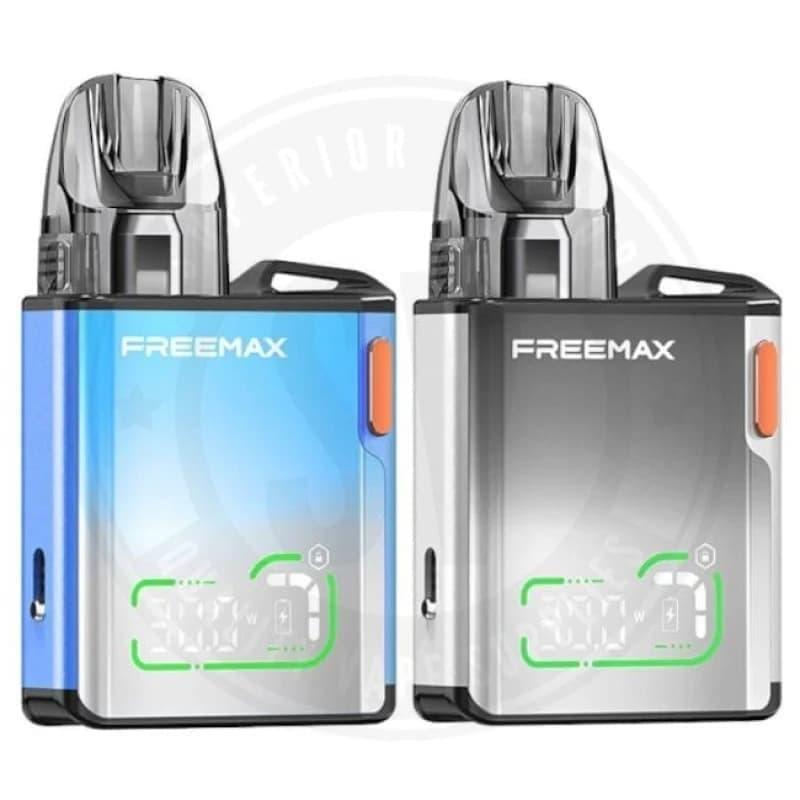
Emerging Trends: Green Chemistry and E-Liquids
With consumer awareness increasing, there’s a movement in the industry towards greener and safer alternatives. Manufacturers are investigating natural flavoring agents, reducing reliance on synthetic chemicals in e cigarettes, and improving device technology to minimize harmful byproducts. Lab analysis technologies now play a vital role both for regulatory compliance and marketing transparency. Environmental impact is receiving attention as well, with biodegradable packaging and refillable systems reducing plastic and chemical waste.
E-Liquid Safety Recommendations for Users
- Do not vape if you are pregnant, nursing, or suffering from heart and lung diseases.
- Monitor your body’s response and stop vaping immediately if you experience any adverse symptoms such as coughing, wheezing, dizziness, or skin irritation.
- Keep abreast of safety recalls and new research about chemicals in e cigarettes.
- Consult healthcare professionals before starting vaping, especially if you have pre-existing conditions.
- Use e-cigarette devices as instructed; improper use can increase risk of toxic exposure.
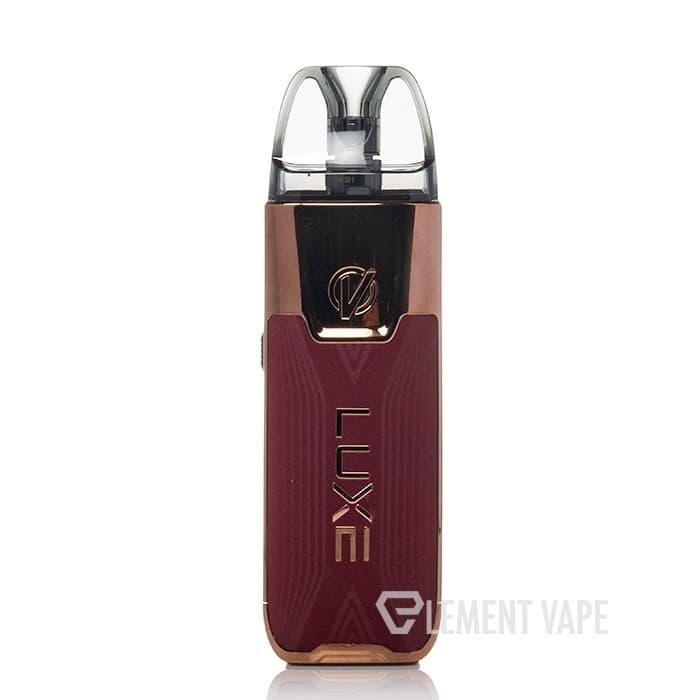
The Future of E-Liquid: What Science Tells Us
Scientific efforts to analyze the health impacts of E-Liquid and its constituent chemicals are ongoing. Advances in analytical technology now allow for more detailed breakdowns of what e-cigarette vapor contains. Researchers are working to identify unsafe additives and recommend safer alternatives. Regulatory agencies worldwide are responding by tightening controls and encouraging better manufacturing practices. Informed consumers play a vital role by demanding higher standards and opting for transparency. As the science evolves, so too will the safety standards of E-Liquid.
Conclusion: Empowering Consumer Safety
Understanding the complexities of E-Liquid formulation and the diverse array of chemicals in e cigarettes equips users with knowledge to make responsible choices. Proactive research, reputable sourcing, and attentive device maintenance form the backbone of safer vaping. As regulations tighten and innovation continues, the future looks promising for users seeking enjoyable but safer alternatives to traditional smoking.
Frequently Asked Questions
- 1. What are the most common chemicals found in e cigarette E-Liquids?
- The primary chemicals include propylene glycol (PG), vegetable glycerin (VG), nicotine, and a range of food-grade flavorings. Trace compounds from device components or chemical reactions during heating may also be present.
- 2. Are all flavorings in E-Liquid safe for inhalation?
- Not all flavoring agents are studied sufficiently for inhalation. While food-grade safety is often cited, inhalation effects can differ. Responsible brands avoid problematic chemicals and prioritize those with proven safety records.
- 3. How can I ensure the safety of my E-Liquid?
- Opt for products from well-known brands with transparent ingredient lists, third-party testing, and strict compliance to regulatory standards.
- 4. What health risks can the chemicals in e cigarettes pose?
- Risks include nicotine addiction, respiratory irritation, potential exposure to carcinogens or toxicants formed during heating, and allergic reactions. Risks can be minimized by following best practices and choosing quality products.