
e-Cigarette Use: In-Depth Insights & Understanding Potential Harms
The popularity of e-Cigarette devices has soared over the past decade, promising a “smoke-free” evolution in nicotine consumption. With millions of individuals around the globe turning to e-Cigarette technology as an alternative to traditional cigarettes, the question arises: are e-cigarettes bad for your health? This comprehensive overview delves into the science, controversies, and current consensus regarding e-Cigarette use and its effects.
The Basics: What Is an e-Cigarette and How Do They Work?
- An e-cigarette is a battery-powered device that heats a liquid, producing an aerosol often containing nicotine, flavorings, and other chemicals.
- Unlike tobacco cigarettes, e-Cigarette products do not rely on combustion but instead vaporize a fluid, which the user inhales (“vaping”).
- The lack of burning tobacco is frequently claimed as a health advantage, but are e-cigarettes bad compared to their traditional counterparts?
Composition of e-Cigarettes: What’s Inside?
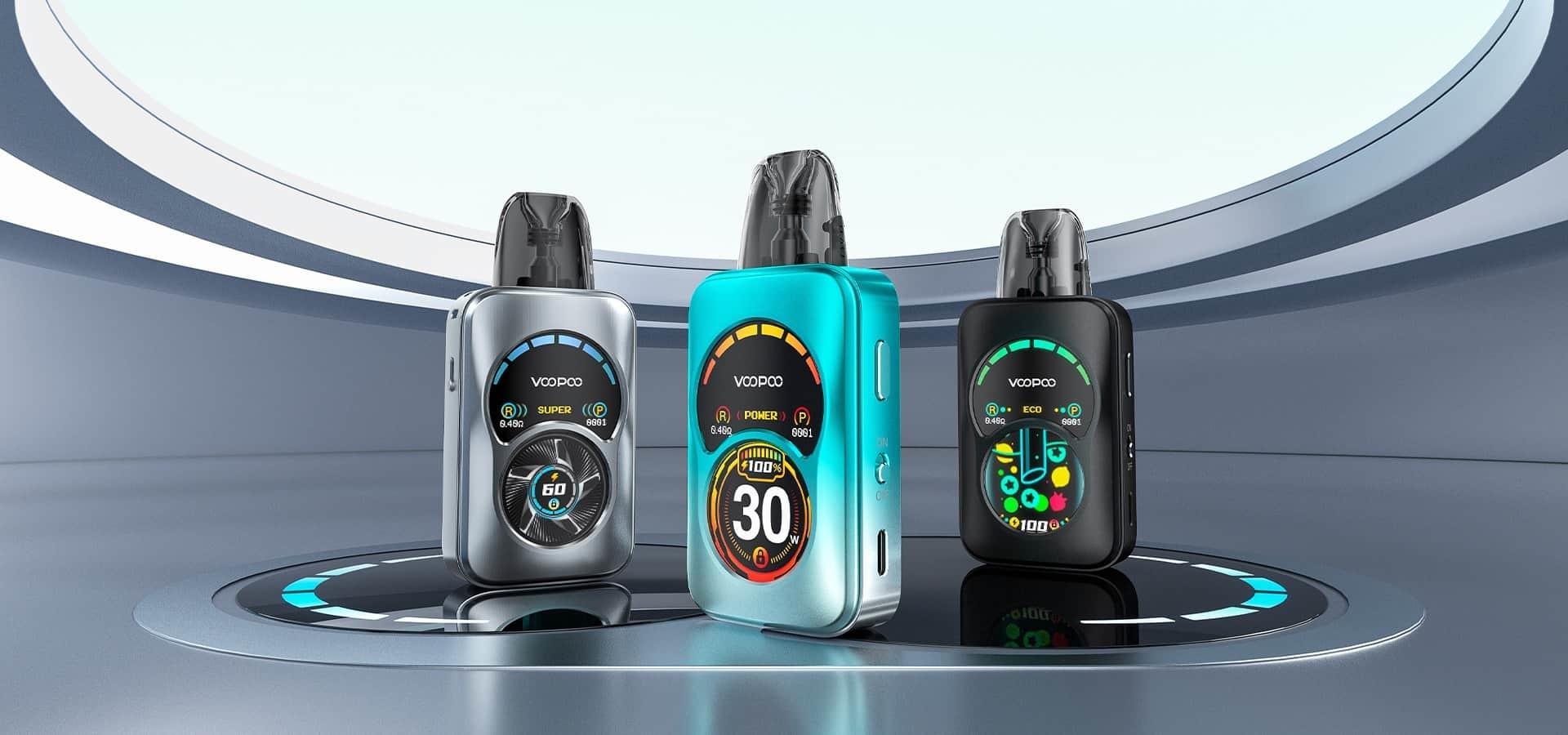
Most e-Cigarette liquids contain:
- Nicotine (variable concentrations)
- Propylene glycol and/or vegetable glycerin (as bases)
- Flavoring agents
- A variety of potential contaminants linked to the manufacturing process
Understanding the Debate: Are e Cigarettes Bad For Health?
The ongoing debate about whether e-Cigarette use is harmful has sparked numerous studies and polarizing perspectives. Let’s break down the key arguments for and against their use:
Potential Benefits of e-Cigarettes
- Reduced Harm Compared to Smoking: Reputable health organizations have stated that e-Cigarette vapors contain fewer carcinogens and toxins than combusted tobacco. For people unable or unwilling to quit nicotine, switching to e-cigarettes may lower exposure to hazardous substances.
- Quitting Tool: Some clinical evidence supports the idea that e-Cigarette
 devices can help adult smokers make the transition away from traditional cigarettes, leading to complete cessation in some cases.
Risks & Concerns: Are e Cigarettes Bad in Other Ways?
- Nicotine Dependence: The presence of nicotine in most e-Cigarette products maintains dependency, especially among youth.
- Chemical Exposure: Heating vape liquids produces potentially harmful byproducts like formaldehyde and acrolein, though generally in lower amounts than cigarette smoke.
- Unregulated Contents: Especially with non-brand or “DIY” liquids, there is risk of exposure to dangerous or unknown chemicals.
- Lung Injury Risks: Outbreaks of e-cigarette or vaping product use-associated lung injury (EVALI) have highlighted possible severe lung complications, particularly from illicit or vitamin E acetate-containing products.
e-Cigarette Use Among Youth: A Growing Health Concern
The rise in e-Cigarette usage among teens has alarmed public health officials. Adolescents face significant risks due to:
- Nicotine and Brain Development: Nicotine exposure during adolescence disrupts neural development and may affect learning, mood, and impulse control.
- Gateway Effect: Evidence suggests that youth who start with e-Cigarette products may be more likely to progress to combustible tobacco
Did you know? According to studies, perception of relative “safety” has contributed to increased youth e-cigarette experimentation, despite clear evidence of health risks.
Comparing e-Cigarette to Traditional Cigarettes
When asking are e cigarettes bad, a critical part of the answer lies in comparison:
- Toxicants: Combusted tobacco produces thousands of toxic compounds. While e-cigarettes have fewer, they are not free from potential hazards.
- Cancer Risk: Current data suggest lower exposure to carcinogenic substances with e-Cigarette use, but the long-term risk profile is still under investigation.
- Second-Hand Vape Exposure: The aerosol from e-Cigarette devices contains less environmental smoke, but still poses hazards, particularly from nicotine and fine particles.
Long-Term Health Impact: Unanswered Questions
Are e-cigarettes bad in the long haul? The answer remains uncertain due to the relatively short time these devices have been on the market. Most chronic diseases tied to regular cigarette smoking—such as cancer, cardiovascular disease, and COPD—develop over decades. Thus, while short-term evidence is less alarming than for cigarettes, the definitive impact of e-Cigarette consumption will take years to emerge.
Are e-Cigarettes Regulated and Safe?

Regulation varies by country and region. In the US, the Food and Drug Administration (FDA) began overseeing e-cigarette products in 2016. However, the rapidly growing variety of devices and liquids means enforcement lags behind innovation. Lack of sufficient regulation and product oversight can lead to safety issues.
- Device malfunctions (battery explosions, overheating)
- Varying quality and concentration of nicotine
- Lack of ingredient transparency in many brands
What Are the Risks for Non-Smokers?
For those who have never smoked, the answer to are e cigarettes bad is much more certain. Non-smokers, especially youth, gain no health benefit and face only risks from e-Cigarette use, especially nicotine addiction and unintended chemical inhalation.
Secondhand Vaping: Are Bystanders at Risk?
While less hazardous than cigarette smoke, e-Cigarette vapor still contains nicotine, ultrafine particles, and chemicals. Sensitive populations—children, pregnant women, and those with respiratory issues—may still experience adverse effects.
Environmental Impact of e-Cigarette Products
Concerns extend beyond personal health—improper disposal of e-Cigarette cartridges and batteries leads to electronic waste and environmental pollution. E-liquids may pose hazards if leaked into water sources or soil.
Current Consensus: What Do Leading Health Organizations Say?
Major groups like the Centers for Disease Control and Prevention, World Health Organization, and American Heart Association generally agree:
- e-Cigarette use is likely less harmful than smoking, but not safe.
- Non-smokers, and especially youth, should be discouraged from starting e-cigarettes.
- More research on the long-term health effects of e-Cigarette use is urgently needed.

Tips for Safer Choices If You Decide to Vape
- Always buy e-Cigarette products from reputable, regulated sources
- Avoid modifying devices or using non-standard liquids
- Limit flavor and nicotine content if possible
- Avoid use if pregnant, underage, or with pre-existing lung/heart conditions
Are e-Cigarettes Bad? The Bottom Line
While e-Cigarette products have likely helped some smokers reduce their exposure to toxic tobacco smoke, are e cigarettes bad for health overall? The risks, particularly for youth and non-smokers, are well documented. Complete abstinence from both conventional and vaping products remains the healthiest choice. For adults, especially long-term smokers unable to quit, a switch to e-Cigarette may be preferable—but only as a temporary step toward quitting all nicotine products.
Future Research and the Search for Clear Answers
The scientific community continues to study e-Cigarette products to answer important questions—how safe are they in real-world usage? What are the long-term outcomes? Keep up to date with reputable health authorities for the latest guidelines and data regarding e-Cigarette use and harm reduction.
Frequently Asked Questions about e-Cigarettes
- Are e cigarettes bad for your lungs?
- Initial research indicates that e-cigarette vapors can irritate lungs and may lower immune defense in respiratory tissues. While the risks appear lower than from smoking, e-cigarettes are not harmless for lungs, especially with heavy or prolonged use.
- Can e-Cigarette use cause addiction?
- Yes, almost all e-cigarettes contain nicotine, which is highly addictive and may lead to continued dependence, especially if initiated during adolescence.
- Is it safer to vape than to smoke traditional cigarettes?
- Current evidence suggests e-cigarettes expose users to fewer harmful chemicals, but they are not without risk. The best health option is to avoid both smoking and vaping altogether.